- Diseases
Lipedema and Estrogen
- May 14, 2023
- By Fernando Amato
Lipedema: The Importance of Hormones and the Influence of Estrogen
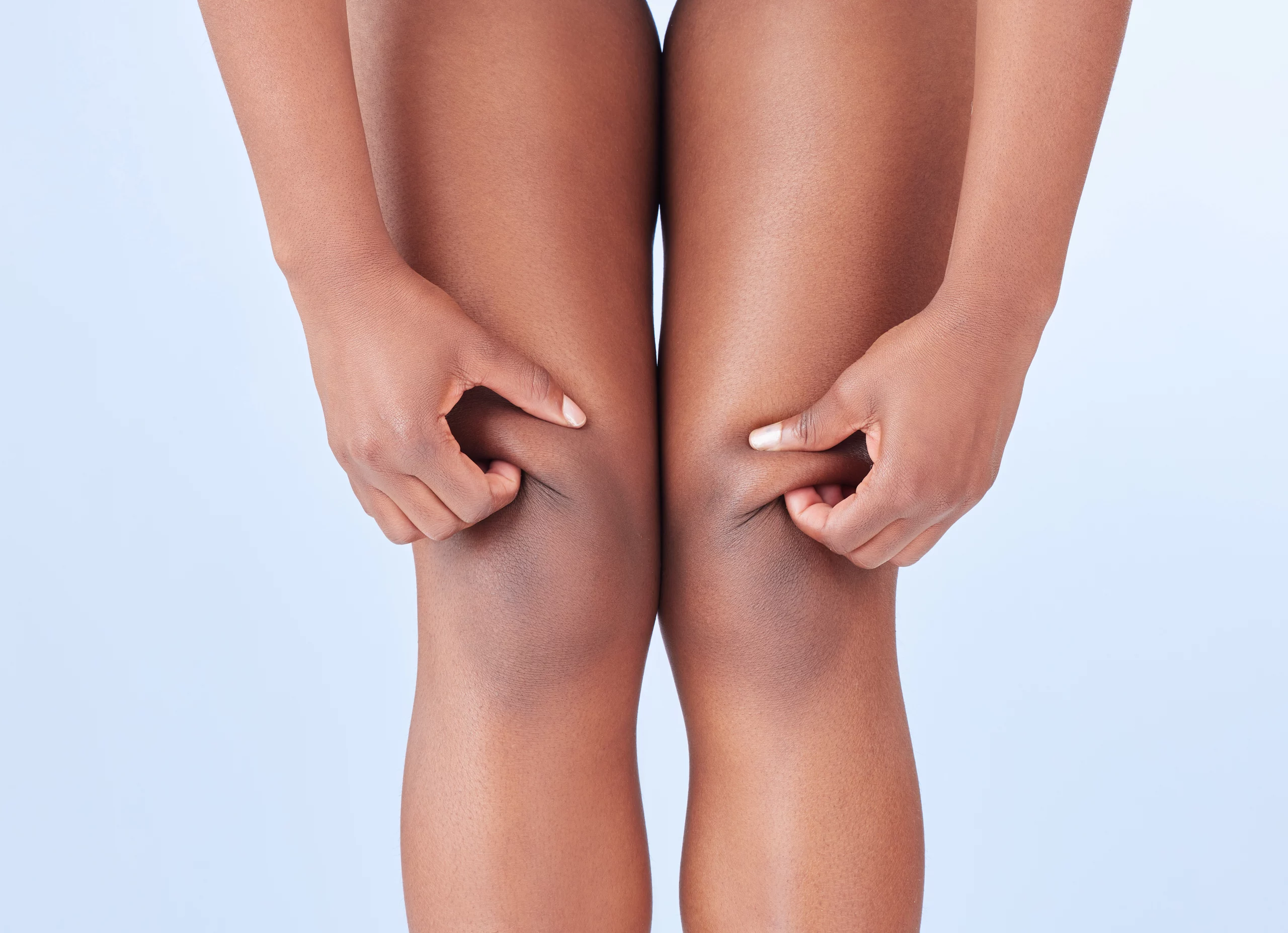
Lipedema is a chronic condition characterized by a disproportionate accumulation of fat, particularly in the legs, hips and occasionally in the arms. This condition is predominantly found in women, and is often misdiagnosed as obesity or lymphedema. Understanding lipedema and its possible causes, including the role of hormones, is fundamental for proper diagnosis and treatment.
Lipedema treatment
Lipedema treatment primarily focuses on managing symptoms and preventing disease progression. Treatment options may include compression therapy, manual lymphatic drainage, low-impact exercises, maintaining a healthy diet, and psychological support. Although weight loss is not a cure for lipedema, it can help control weight and reduce symptoms. Some cases may consider liposuction as an option for removing excess adipose tissue; however, this approach is commonly seen as a last resort.
One of the most interesting research areas in the study of lipedema is the possible role of hormones, particularly estrogen. This is a complex and not fully understood area, but some clues suggest a connection. Lipedema is much more common in women than in men, and often develops or worsens during times of significant hormonal changes, such as puberty, pregnancy, or menopause.
Estrogen
Estrogen is a female sex hormone that has several functions in the body, including regulating fat distribution and deposition. It also plays a role in the lymphatic system, which is crucial for maintaining fluid balance in the body. Proteins called estrogen receptors, found within cells, bind to estrogen and are responsible for mediating the effects of this hormone. There are two main types of estrogen receptors: estrogen receptor alpha (ERα) and estrogen receptor beta (ERβ). Estrogen receptor alpha (ERα), in particular, plays an important role in mediating the effects of estrogen in tissues such as the uterus, breast, and hypothalamus, and is also involved in regulating lipid metabolism and fat distribution in the body.
It is possible that a hormonal imbalance, such as an excess of estrogen, could contribute to the development of lipedema. This excess estrogen could potentially increase fat deposition in specific areas of the body and affect the function of the lymphatic system, both of which are factors that can contribute to lipedema. However, the exact relationship between hormonal imbalance, estrogen receptors, and lipedema is not yet clear and requires further investigation.
While much remains to be learned about the relationship between hormones and lipedema, it is clear that a better understanding of this connection can open new avenues for the diagnosis and treatment of this condition. For example, if future research confirms a link between excess estrogen and lipedema, this could lead to the development of therapies aimed at regulating estrogen levels to treat or prevent lipedema.
Important to remember
It is important to remember that, although estrogen may play a role in lipedema, it is likely only one of many factors involved. Other influences, such as genetics, diet, and lifestyle, are also likely important. Furthermore, each individual is unique, and what works for one person may not work for another.
When dealing with lipedema, it is essential to have a personalized treatment approach that takes into account the specific needs and circumstances of the patient. And this is why the doctor's role is so crucial, as they can help guide patients through the various available treatment options and help them find the best approach for them.
Last but not least, it is crucial to remember that emotional support is also an essential part of managing lipedema. Living with lipedema can be challenging and can have a significant impact on an individual's mental and emotional health. Therefore, seeking psychological support can be as important as seeking medical treatment.
Conclusion
In summary, a better understanding of the relationship between estrogen and lipedema can open new possibilities for comprehending and treating this complex and often misunderstood condition. This promising area of research has the potential to open new horizons.
Related articles


Agendar consulta
Precisa de orientação personalizada?
Marque uma avaliação com o Dr. Fernando Amato e tire as suas dúvidas sobre cirurgia plástica.
Falar no WhatsApp