- Articles, Surgeries, Body, Diseases
Lipedema in Brazil: Understanding Health Plan Coverage
- November 20, 2023
- By Fernando Amato
- 💡 Lipedema: A chronic condition affecting women, characterized by fat accumulation and pain.
- 📋 Coverage Variation: Different health plans offer distinct coverage for lipedema treatment.
- 🏥 Treatments: Include medical follow-up, physiotherapy, exams, and sometimes surgeries.
- 🚫 Challenges: Patients face challenges in obtaining full coverage, such as specific authorizations.
- 👩⚕️ Medical Follow-up: Essential for individualized treatment and negotiation with health plans.
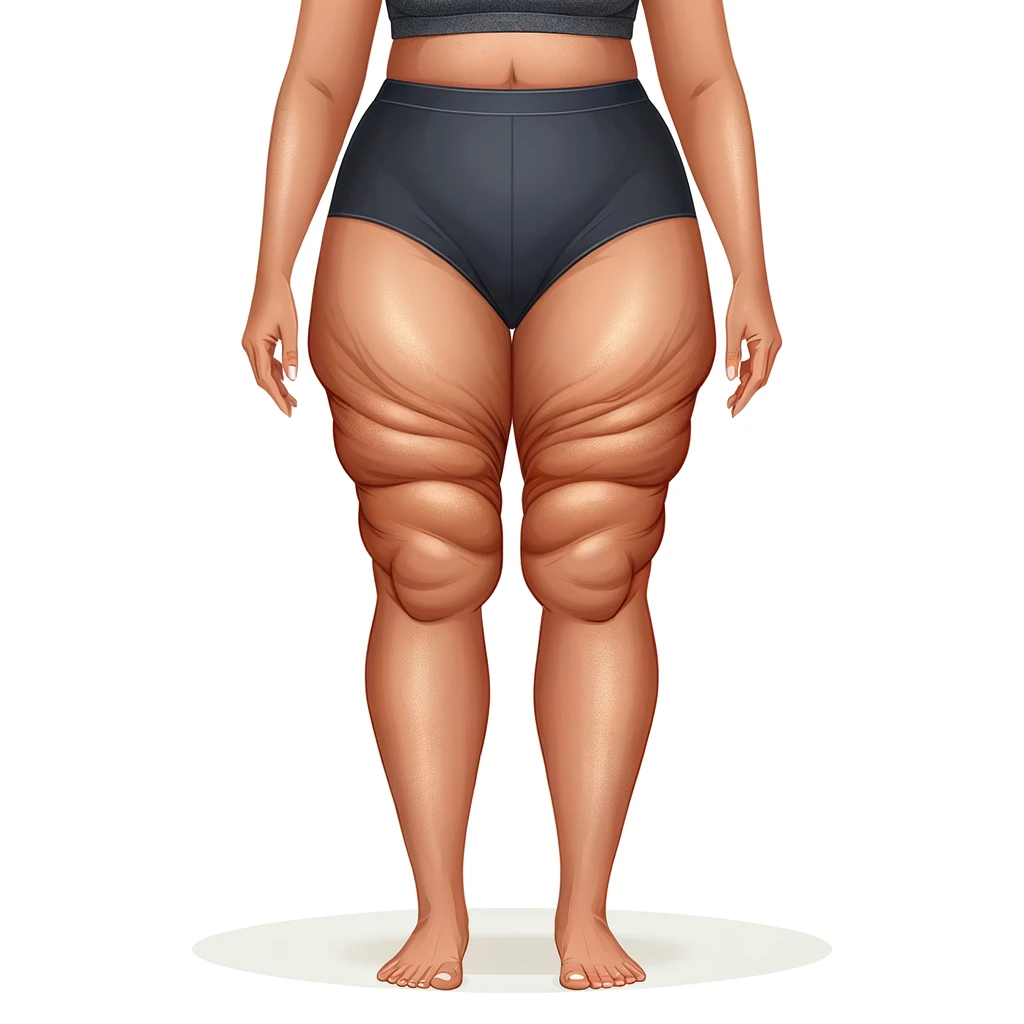
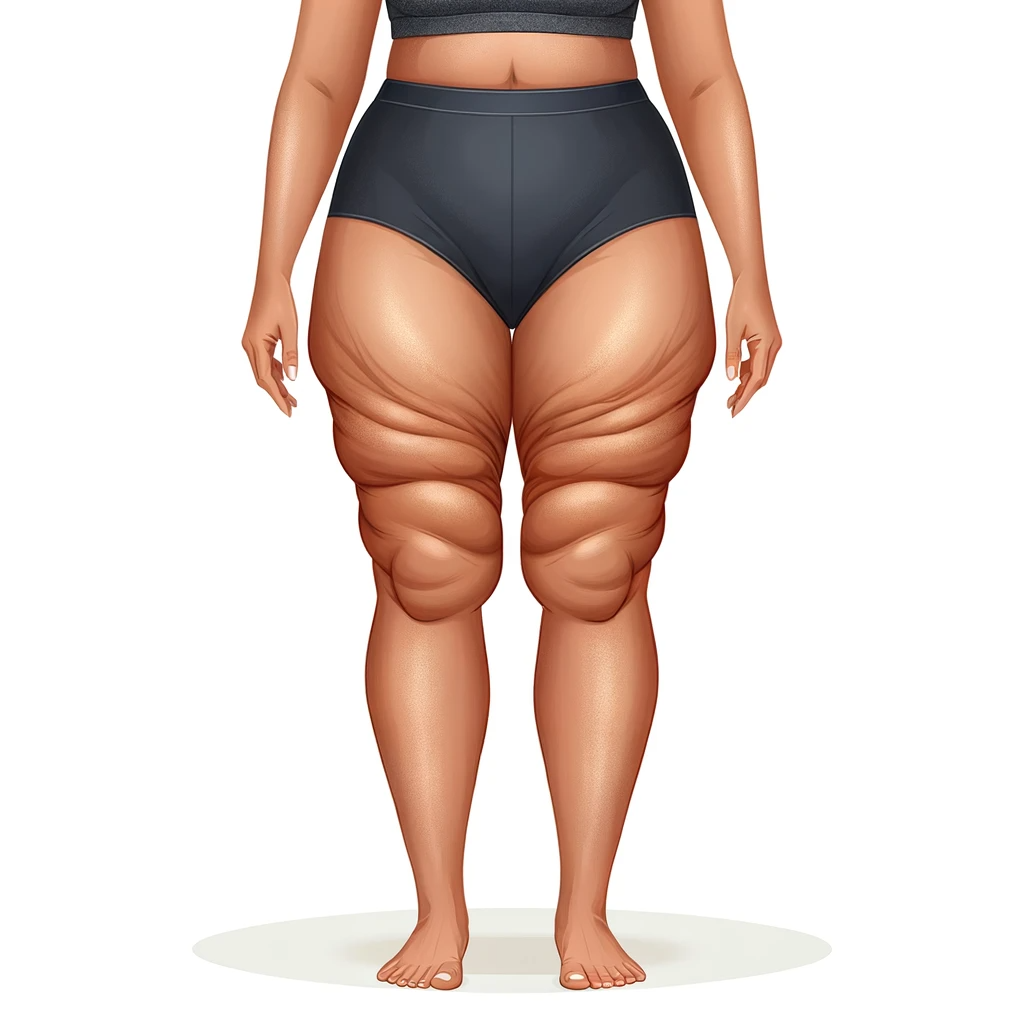
Lipedema is a chronic and progressive condition (progressing with episodes of exacerbation, in a step-like graph) that primarily affects women, characterized by the abnormal accumulation of fatty tissue in the legs and sometimes in the arms. This accumulation can be related to obesity; in its more advanced cases, it can present with lymphedema, and, in addition to the disproportion of fat between the limbs and torso, it frequently causes pain and discomfort. In Brazil, the coverage of lipedema treatment by health plans can vary, depending on each patient, their characteristics, associated diseases, and the disease's impact, making it important to understand the nuances of this coverage.
Understanding Lipedema
- Characteristics: Unequal fat distribution, pain, and lymphatic complications characterize lipedema, potentially leading to reduced mobility.
- Diagnosis: Primarily made through clinical evaluation and patient history, sometimes aided by imaging exams, which often serve to diagnose associated diseases or help exclude other pathologies that may present similar symptoms.
Health Plan Coverage in Brazil
- Coverage Policies: Health plans in Brazil have varying policies regarding lipedema treatment coverage. Initially, health operators (medical plans, insurers, health plans, etc.) follow the ANS Rol, which is a list of procedures with mandatory coverage, but it is important to evaluate the operator's contract with the user, which can influence this coverage.
- Covered Treatments: Generally covered treatments include consultations with various medical specialties (such as vascular surgeon, plastic surgeon, endocrinologist, nutrologist), as well as physiotherapy, nutritional support, psychological support, and a range of complementary medical exams (laboratory, ultrasounds, MRIs, among others). In certain situations, surgical interventions may also be necessary. Therefore, it is important to emphasize that each health plan has its specific rules. Currently, there is no standardized procedure in the ANS Rol for surgical treatments. Therefore, surgeons must perform these procedures based on the patient's complaints, such as 'excess skin causing dermatitis', 'difficulty in locomotion', or 'pain'. The analysis includes the duration of symptoms, the time of illness, and diagnosis. Thus, correct classification of the disease according to CID10 and CID11 codes (the latter not yet implemented in Brazil) is crucial. If possible, it is recommended to request the procedure using an existing TUSS code in the ANS Rol by similarity. Furthermore, this request will undergo analysis by the health operator, preferably by a medical auditor, who will evaluate the justification for the procedure based on the patient's clinical improvement, and not solely on aesthetic benefits.
- Difficulties and Challenges: On the other hand, patients may encounter obstacles in obtaining full coverage, including the need for specific authorizations and demonstration of treatment necessity. However, there is a common lack of knowledge about the disease among both operators and medical auditors. The lack of specific complementary exams to prove the condition can be an impediment. In some cases, legal action becomes necessary due to the difficulty of health operators understanding the disease. It is also important to highlight the challenge of preventing the misuse of surgeries for purely aesthetic purposes.
Surgical Procedures and Health Plan Coverage
- Liposuction: This is one of the surgical procedures for lipedema treatment, but health plans rarely cover it.
- Skin Resection (Dermolipectomies): Resection of skin and fat to remove excess skin. This treatment is now more accepted by health plans, even if not in the ANS ROL, it is more common for health plans to accept it, especially after a series of lawsuits in cases of patients with significant weight loss due to bariatric surgery.
- Nodule Resection: Coverage exists when a complementary exam characterizing the nodule is presented.
Importance of Medical Follow-up
- Individualized Evaluation: Each case of lipedema is unique, and it is crucial for medical follow-up to determine the most appropriate treatment.
- Negotiation with Health Plans: Doctors can assist in negotiating coverage with health plans, providing documentation and clinical justifications.
Conclusion
Lipedema treatment coverage by health plans in Brazil is a complex topic, with significant variations among different plans. Patients and doctors must work together to ensure access to adequate treatment, considering the policies of each health plan and the need for individualized treatment.
Frequently Asked Questions
- Is lipedema covered by health plans in Brazil?
- Coverage varies according to the health plan and may include medical follow-up, physiotherapy, nutritionist, psychologist, complementary exams, and, in some cases, surgeries.
- Is liposuction for lipedema covered by health plans?
- Coverage for liposuction for lipedema depends on the health plan and generally requires detailed medical justification. To date, this approval is very difficult and often requires legal action.
- How can I ensure my treatment is covered?
- It is important to discuss with your doctor and health plan, providing all necessary documentation to justify the treatment.
- What to do if my health plan denies coverage?
- Seek legal assistance and medical support to dispute the decision, presenting clinical evidence of the treatment's necessity.
- Are there alternative treatments for lipedema besides surgery?
- Yes, they include nutritional support, physiotherapy, and compression therapy, which are generally more easily covered by health plans.
- #Lipedema
- #HealthCoverage
- #BrazilHealthPlans
- #LipedemaTreatment
- #HealthPolicies
Related articles


Agendar consulta
Precisa de orientação personalizada?
Marque uma avaliação com o Dr. Fernando Amato e tire as suas dúvidas sobre cirurgia plástica.
Falar no WhatsApp