- Surgeries, Body
Lipedema: Symptoms, Diagnosis, and Treatments for a Better Life
- June 9, 2024
- By Fernando Amato
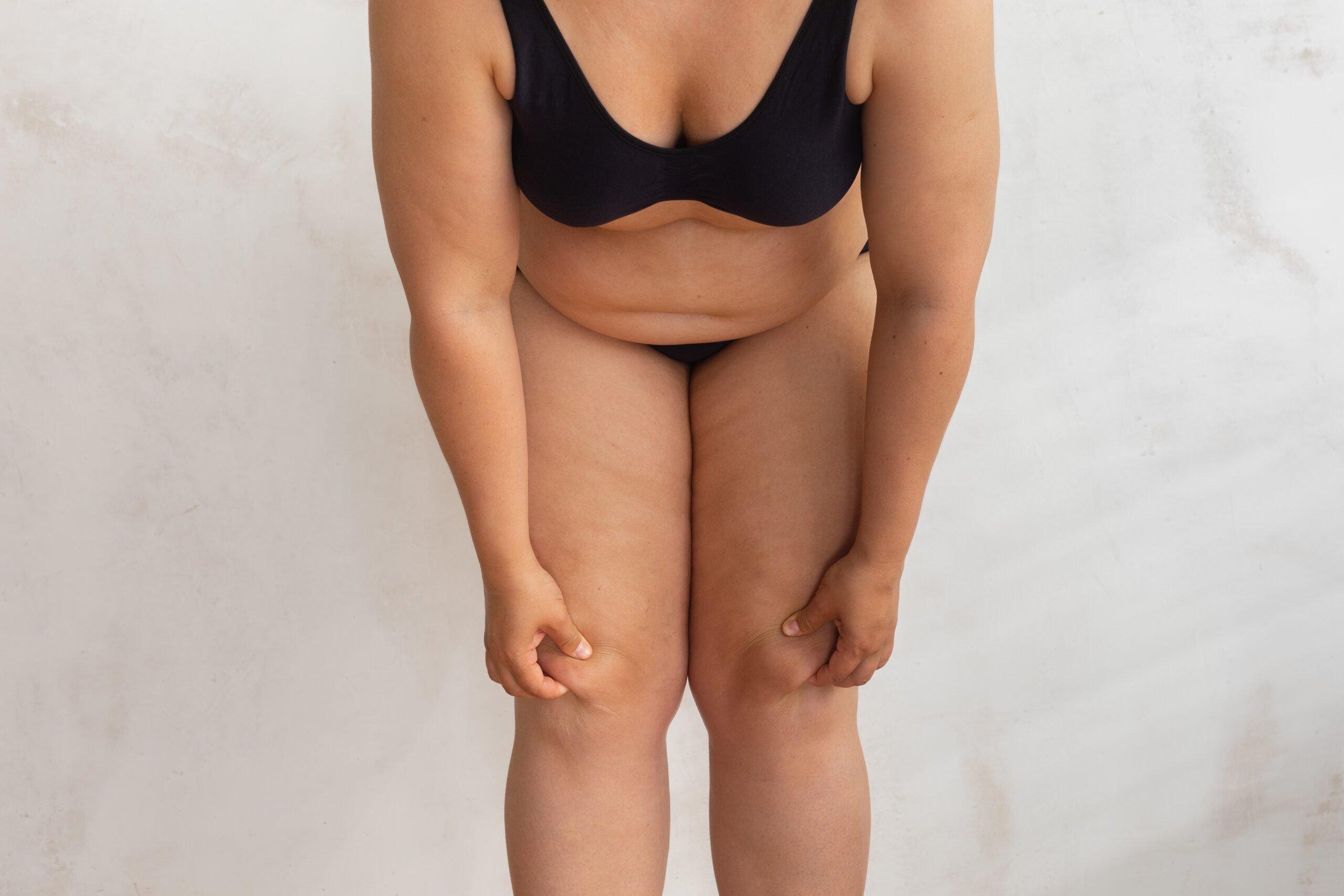
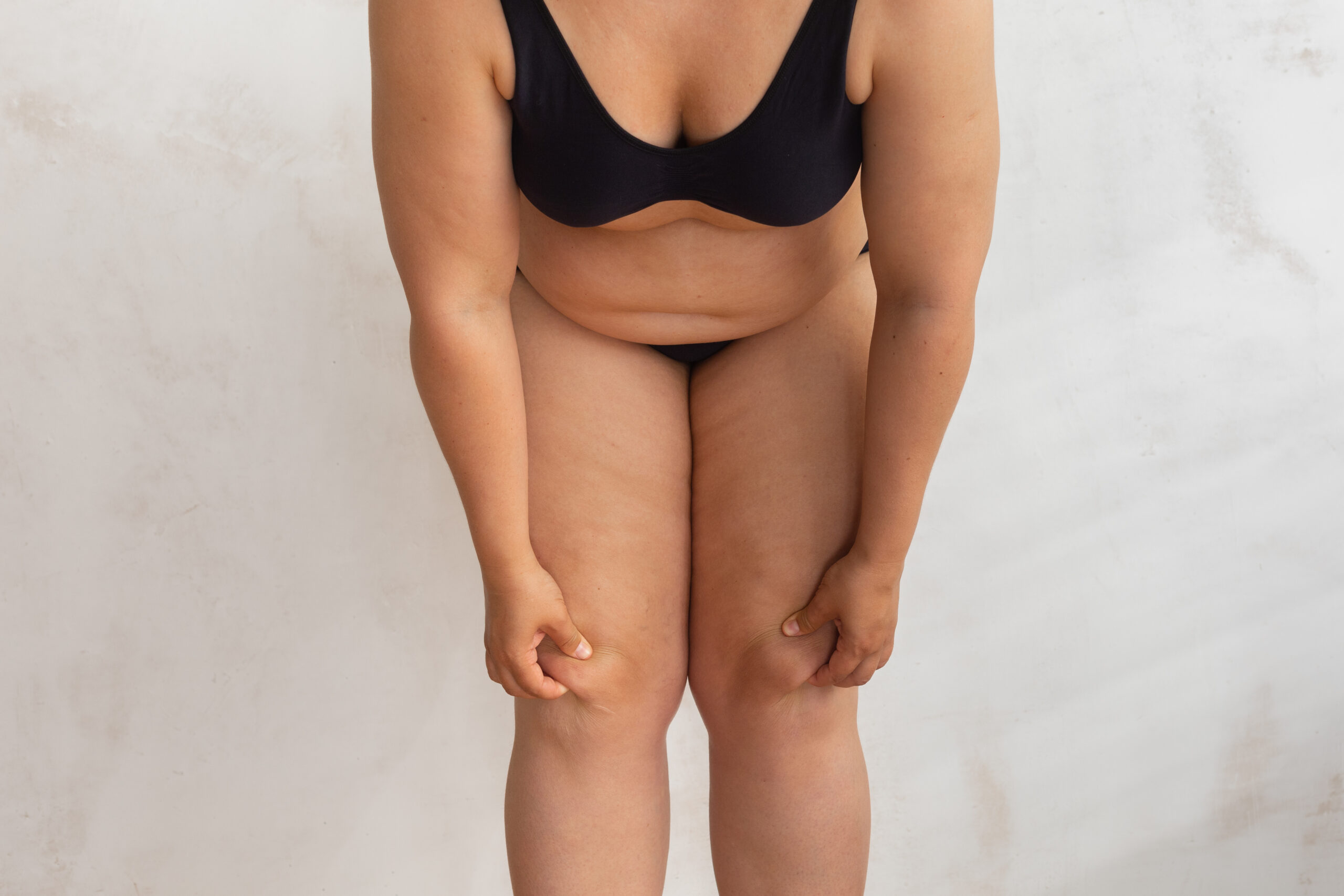
Lipedema is a condition that primarily affects women, characterized by the abnormal accumulation of subcutaneous fat, causing pain and deformities in the legs and, in some cases, the arms. Healthcare professionals often underdiagnose this condition or confuse it with obesity and lymphedema, leading to significant challenges for patients in seeking an accurate diagnosis and appropriate treatment.
What is Lipedema?
It is a chronic disorder that usually manifests during puberty, pregnancy, or menopause, periods of significant hormonal changes. It is characterized by the symmetrical accumulation of painful nodular fat in the limbs, sparing the hands, feet, and trunk. The main characteristics of lipedema include:
- Pain: The accumulated fat is painful to the touch and can cause constant discomfort.
- Symmetry: The fat symmetrically affects both sides of the body.
- Resistance to diet and exercise: Lipedema fat does not respond to lifestyle changes such as diet and exercise.
Symptoms of Lipedema
The symptoms of lipedema are varied and may include:
- Increased fat in the legs and arms: This increase is symmetrical and does not affect the hands and feet.
- Pain and tenderness: The fat is painful to the touch and can cause constant discomfort.
- Frequent bruising: The skin becomes more susceptible to bruising.
- Edema: Swelling that worsens throughout the day and decreases with nighttime rest.
- Mobility difficulties: Due to extra weight and pain, mobility can be impaired.
Diagnosis of Lipedema
The diagnosis, however, is clinical, based on the patient's history and physical examination. Healthcare professionals should therefore be attentive to the specific characteristics of lipedema to differentiate it from other conditions, such as obesity and lymphedema. Doctors may use complementary exams, such as ultrasound and magnetic resonance imaging, to assess the extent of the fat and rule out other pathologies.
Treatments for Lipedema
Treatment aims to relieve symptoms and improve patients' quality of life. Treatment options include:
- Complete Decongestive Therapy (CDT): Includes manual lymphatic drainage, use of compression bandages, specific exercises, and skin care.
- Use of compression garments: Helps reduce swelling and pain.
- Tumescent liposuction: Surgical procedure to remove lipedema fat.
- Lifestyle changes: Although diet and exercise do not reduce lipedema fat, a healthy diet and regular physical activity can help control weight and improve overall health.
Article Highlights 📌
- Clinical Diagnosis: Importance of differentiating lipedema from other conditions.
- Common Symptoms: Pain, tenderness, and symmetrical fat increase.
- Effective Treatments: Complete decongestive therapy and assisted liposuction.
- Diagnostic Challenges: Underdiagnosis and confusion with obesity.
- Quality of Life: The main goal of treatments is to improve patients' quality of life.
Questions and Answers
1. What is lipedema? It is a chronic condition characterized by the abnormal and painful accumulation of subcutaneous fat, primarily affecting women.
2. What are the symptoms? Symptoms include symmetrical fat increase in the limbs, pain, tenderness, frequent bruising, and edema.
3. How is it diagnosed? The diagnosis is clinical, based on the patient's history and physical examination, with possible complementary exams to rule out other conditions.
4. What is the difference between lipedema and obesity? Lipedema is characterized by painful and symmetrical fat accumulation that does not respond to diet and exercise, while obesity is a generalized accumulation of fat that can be reduced with lifestyle changes.
5. What are the main treatments for lipedema? Treatments include complete decongestive therapy, use of compression garments, tumescent liposuction, and lifestyle changes.
6. Does liposuction cure lipedema? Liposuction does not cure lipedema, but it can remove accumulated fat and alleviate symptoms.
7. Can lipedema worsen over time? Yes, it can progress and cause increased pain, reduced mobility, and the development of lymphedema.
8. Is there a cure for lipedema? There is no cure, but treatments can help control symptoms and improve quality of life.
9. What causes lipedema? The exact cause is unknown, but genetic and hormonal factors are believed to play an important role.
10. Does lipedema affect men? Although rare, lipedema can affect men, especially those with hormonal conditions that alter estrogen and testosterone levels.
#Lipedema #Symptoms #Diagnosis #Treatment #Surgery
Lipedema is a chronic condition characterized by the abnormal and painful accumulation of subcutaneous fat, primarily affecting women. Learn about the symptoms, diagnosis, and available treatments to improve quality of life.
Related articles


Agendar consulta
Precisa de orientação personalizada?
Marque uma avaliação com o Dr. Fernando Amato e tire as suas dúvidas sobre cirurgia plástica.
Falar no WhatsApp