- Surgeries, Body, Diseases
Lipedema: Between Condition and Disease, the Impact on Women's Lives
- April 14, 2024
- By Fernando Amato
Lipedema is often navigated in the murky waters between being classified as a condition and a disease. This chronic disorder, predominantly affecting women, manifests through the abnormal accumulation of adipose tissue in the lower limbs, creating not only an aesthetic issue but also significant physical and psychological challenges. Therefore, the differentiation between being a disease or a condition has direct implications for the therapeutic approach and social perception of those who suffer from it. Thus, this article seeks to clarify, through a clinical and human lens, offering insights into its diagnosis, treatment, and impact on the quality of life of affected women.
- 🧐 Lipedema: a chronic condition that primarily affects women, manifesting as abnormal accumulation of fat.
- 💉 Challenging clinical diagnosis, but crucial for effective management.
- 🏋️♀️ Treatment strategies include compression therapy, skin care, physical therapy, and lifestyle changes.
- 💬 Importance of psychological support and community in coping with lipedema.
- 🤲 The need for a comprehensive approach to lipedema treatment, recognizing both its physical and emotional aspects.
Understanding Lipedema
Lipedema: A Unique Female Condition
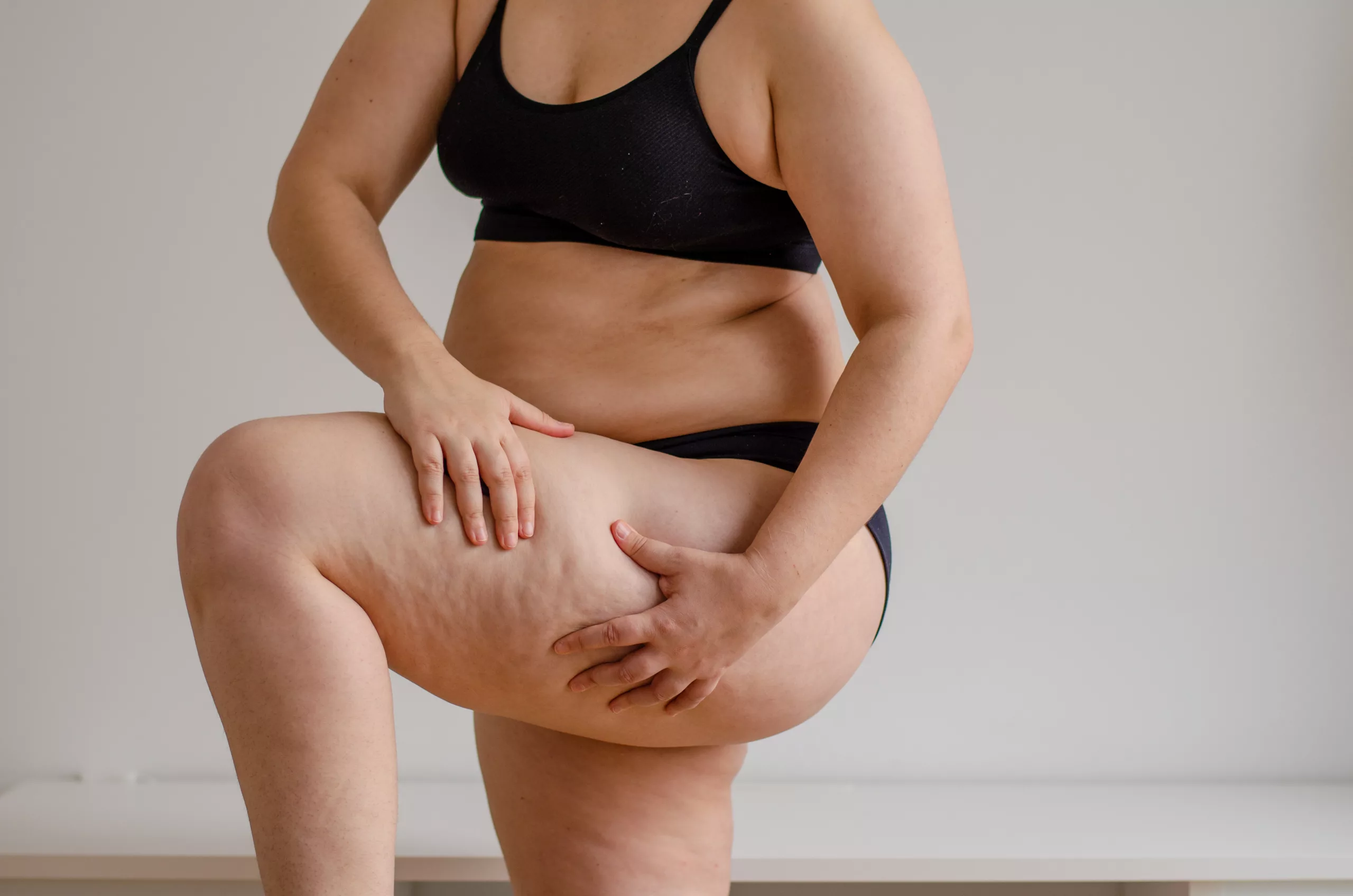
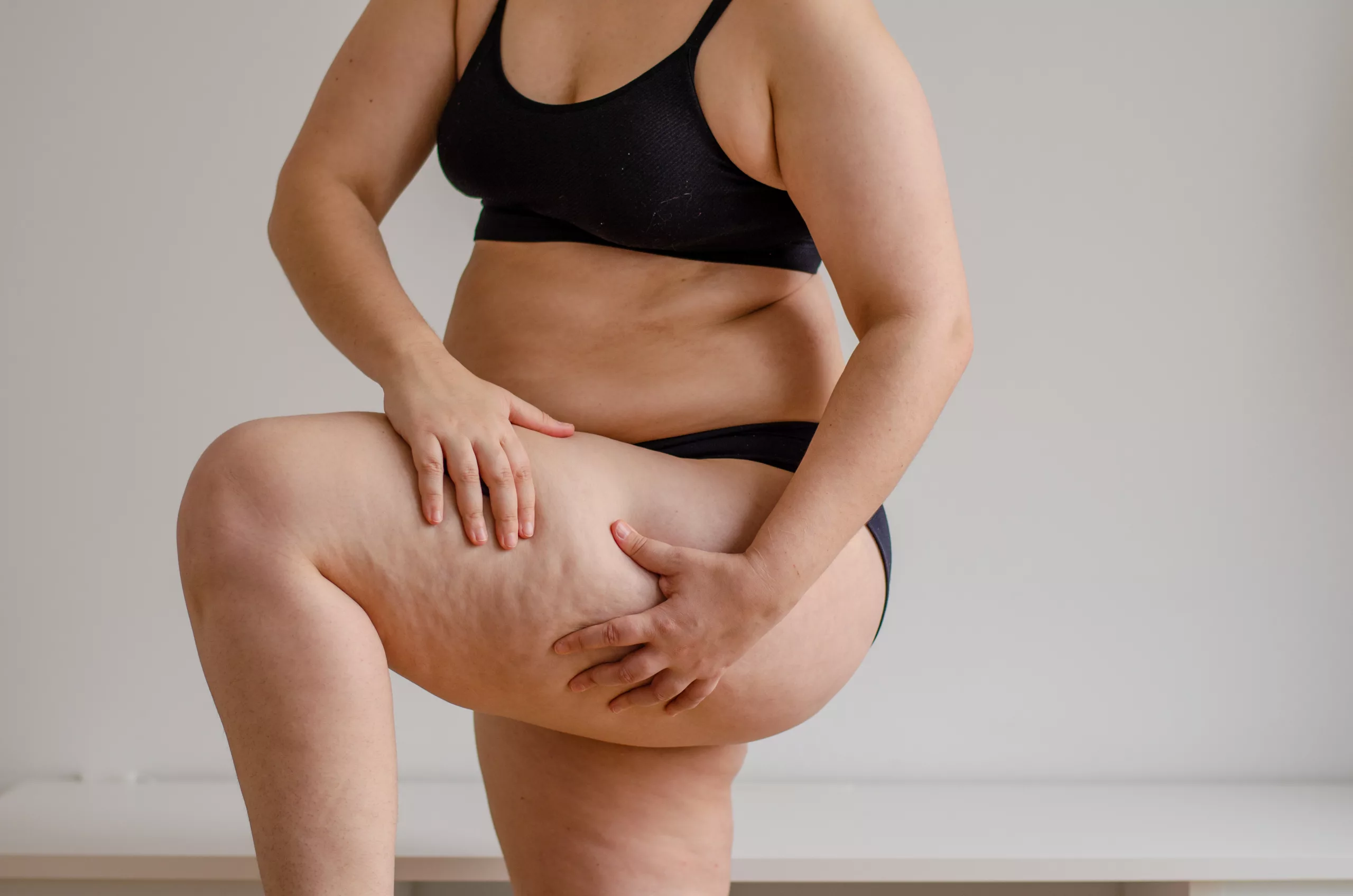
Lipedema is characterized by the painful accumulation of fat in the lower limbs, contrasting sharply with the upper trunk. This disproportionate distribution is not just a matter of excess weight, but rather a condition that involves tenderness to the touch, chronic pain, and a predisposition to developing serious complications such as lymphedema. 🩺
Dilemma: Disease or Condition?
The distinction between disease and condition in the context of lipedema is more than semantic. Thus, considering it a disease recognizes its pathological complexity, systematic impact on the body, and the need for specific medical management strategies. On the other hand, treating it as a condition emphasizes its long-term management and the importance of lifestyle adaptations to mitigate its effects.
Diagnosis and Challenges
The Path to Correct Diagnosis
Diagnosis is eminently clinical, depending on a detailed evaluation of symptoms and medical history. However, a lack of awareness and understanding of lipedema contributes to late or incorrect diagnoses, exacerbating the suffering of patients. 🕵️♀️
Treatments and Management Strategies
Confronting Lipedema Effectively
Lipedema management focuses on relieving pain, improving functionality, and preventing the condition's progression. Strategies include compression therapy, skin care, physical therapy, and in some cases, surgical intervention such as liposuction. This spectrum of treatments reflects the need for a personalized approach. 💡
Lifestyle Changes: A Pillar in Lipedema Management
Lifestyle adaptations, including a balanced diet and adapted physical exercises, are fundamental. Such changes are not aimed at weight loss per se, but at improving lymphatic health and reducing painful symptoms.
The Psychosocial Impact of Lipedema
Beyond the Physical: The emotional burden of Lipedema
Lipedema carries a significant psychological burden, affecting self-esteem, mental health, and quality of life. Psychological support, along with a community support network, is vital for women facing this challenging condition. 🤝
Conclusion
Whether lipedema is considered a disease or a condition, it requires a holistic approach that encompasses both physical management and emotional support. Continued awareness and education about lipedema are crucial to improving diagnosis, treatment, and ultimately, the quality of life for affected women. As the medical community and the general public become more informed about lipedema, we can expect significant advances in understanding and treating this condition.
We encourage readers to seek specialized medical guidance, such as that offered by Dr. Fernando Amato, for personalized treatment approaches and additional information on lipedema management.
Questions and Answers:
- Does lipedema only affect women? While predominantly observed in women, there are rare cases in men, suggesting a hormonal influence on the condition.
- Can lipedema be cured? Currently, there is no cure for lipedema, but symptoms can be managed effectively through a personalized treatment plan.
- What is the difference between lipedema and lymphedema? Lymphedema involves the accumulation of lymphatic fluid in the tissues, while lipedema is characterized by the accumulation of fat. Both can coexist, but they are distinct conditions.
- Is liposuction a viable option for lipedema treatment? Yes, liposuction can be considered to remove excess adipose tissue, but it must be evaluated on a case-by-case basis by a specialist.
- How can I support a loved one suffering from lipedema? Offer emotional support, encourage seeking specialized treatment, and educate yourself about the condition to better understand their struggles.
#Lipedema #FemaleHealth #LipedemaTreatment #LipedemaDiagnosis #QualityOfLife
Related articles


Agendar consulta
Precisa de orientação personalizada?
Marque uma avaliação com o Dr. Fernando Amato e tire as suas dúvidas sobre cirurgia plástica.
Falar no WhatsApp