- Plastic Surgery
When to Remove Breast Implants? Everything About Silicone Explantation
- November 3, 2025
- By Fernando Amato
Silicone Implant Explantation: Health, Aesthetics, and Recovery
The number of women who choose to remove breast implants is growing every year — understand the indications, techniques, and what to expect after explantation.
What is silicone implant explantation
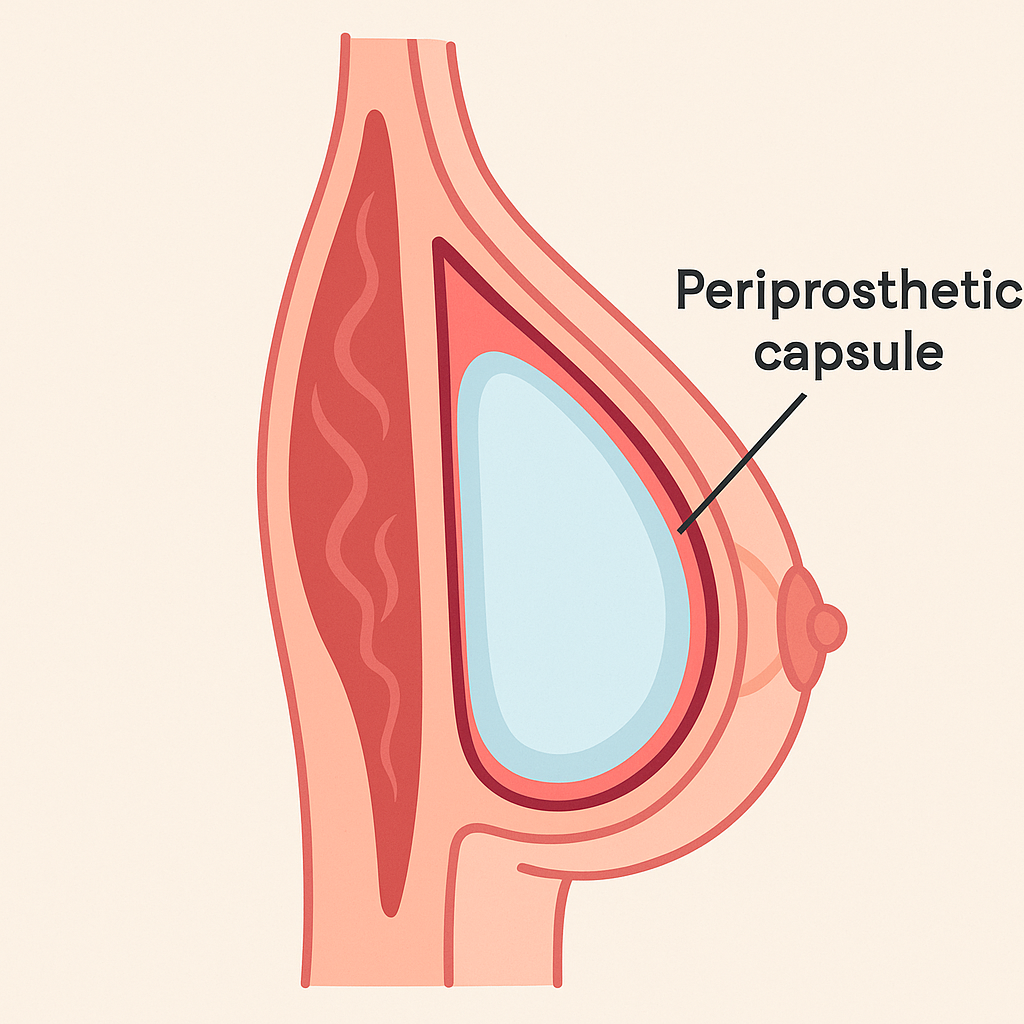
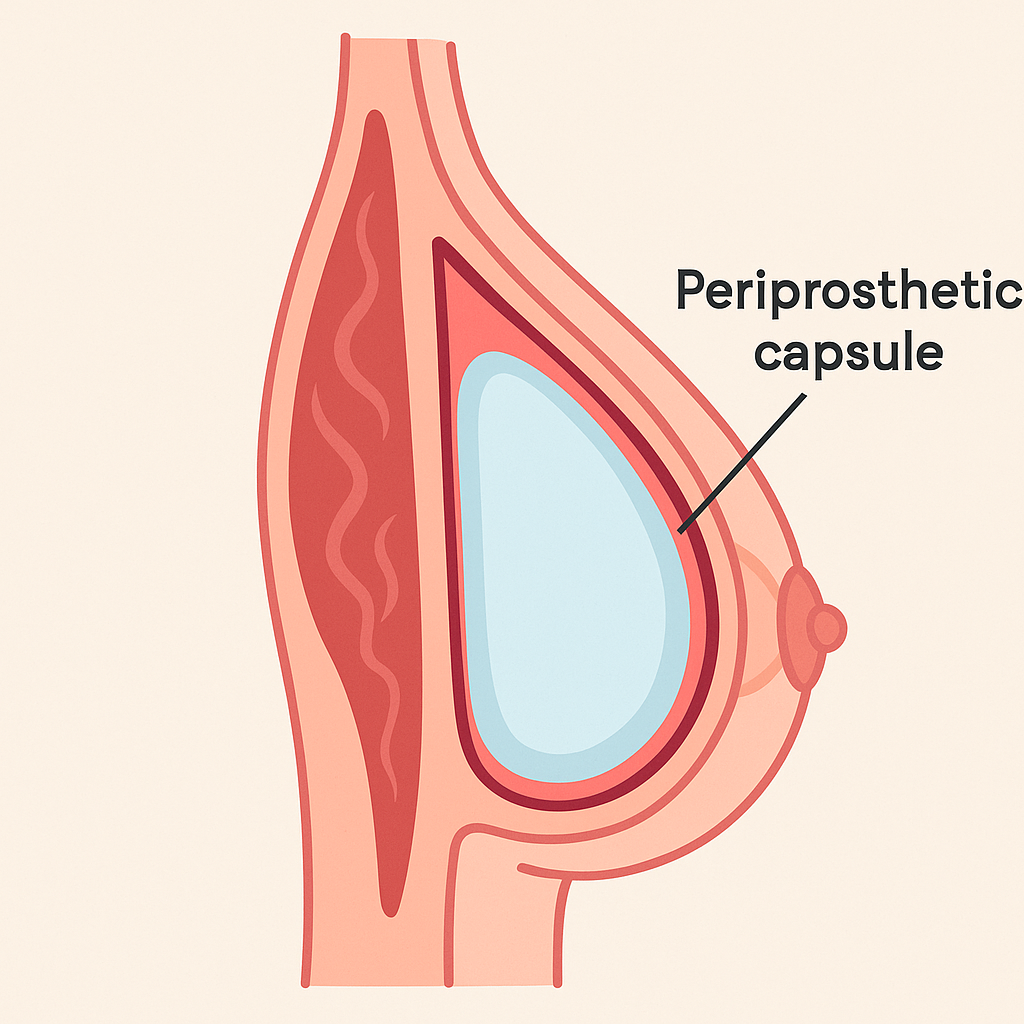
Silicone implant explantation is the surgery that removes previously placed breast implants, whether for aesthetic, clinical, or functional reasons. In many cases, the procedure involves the treatment of the periprosthetic capsule — a thin fibrous membrane that the body naturally forms around the implant.
🔗 Learn more about breast implants and their indications.
🌟 Highlights
- 👩⚕️ Procedure performed by specialized plastic surgeons.
- 💡 May include treatment of the fibrous capsule (capsulectomy).
- 💪 Indicated for medical or aesthetic reasons.
- ⏳ Recovery in about 30 days, with specific care.
- ❤️ Can be associated with mastopexy or lipofilling for better results.
Formation of the fibrous capsule
After implantation, the body reacts by creating a periprosthetic capsule — a natural layer of connective tissue.
This capsule is composed of fibroblasts, collagen, and myofibroblasts, and its thickness can vary depending on the type of implant and the patient's characteristics.
In most cases, it is thin and flexible, causing no symptoms.
However, in some women, it can become thick and hardened, leading to capsular contracture, which causes pain and breast deformity.
When explantation is indicated
Silicone implant explantation is indicated in the following situations:
- Patient's personal desire to remove the implant.
- Capsular contracture (Baker grade III or IV).
- Implant rupture (intracapsular or extracapsular).
- Infection, chronic seroma, or persistent inflammation.
- Suspicion of breast implant-associated anaplastic large cell lymphoma (BIA-ALCL).
- Systemic symptoms attributed to the implant (under study).
🔗 Read more about anesthesia in plastic surgery and preoperative preparation
Available surgical techniques
The choice of technique depends on the condition of the implant, the capsule, and the patient's anatomy.
The main ones are:
1. Simple explantation
Removal of only the implant, keeping the capsule in place.
It is indicated when the capsule is thin, not calcified, and without signs of inflammation.
It has a lower risk of bleeding and faster recovery.
2. Partial capsulectomy
Removal of only the thickened or calcified parts of the capsule.
Indicated for mild contractures or for partial remodeling of the implant pocket.
3. Total capsulectomy
Complete removal of the fibrous capsule, performed with careful dissection close to the chest wall.
Indicated for severe contracture, intracapsular rupture, or infection.
Does not include healthy breast tissue.
4. “En bloc” capsulectomy
The capsule and implant are removed together, in a single block, without rupturing the capsule.
May include margins of adjacent tissue if BIA-ALCL or free silicone is suspected.
It is a more complex surgery, indicated only in specific cases.
🔗 See also mastopexy and mammoplasty associated with explantation.
Differences between total and en bloc capsulectomy
| Aspect | Total Capsulectomy | En Bloc Capsulectomy |
|---|---|---|
| Technique | Removes the entire capsule in fragments | Removes capsule and implant together, intact |
| Margin | Does not include healthy tissue | Includes breast/muscle margin |
| Indication | Contracture, intracapsular rupture | BIA-ALCL, extracapsular rupture |
| Complexity | Moderate | High |
| Surgical Risk | Lower | Higher (bleeding, seroma, deformity) |
Complementary surgeries after explantation
After silicone implant explantation, complementary procedures are often performed to restore breast shape:
- Mastopexy — repositions and lifts breast tissue.
- Lipofilling — injects autologous fat to add volume and soften contours.
- Capsule biopsy — performed on thickened capsules or with suspected pathology.
🔗 Learn more about fat grafting and liposuction
Possible risks and complications
Every surgery involves risks, even if minimal.
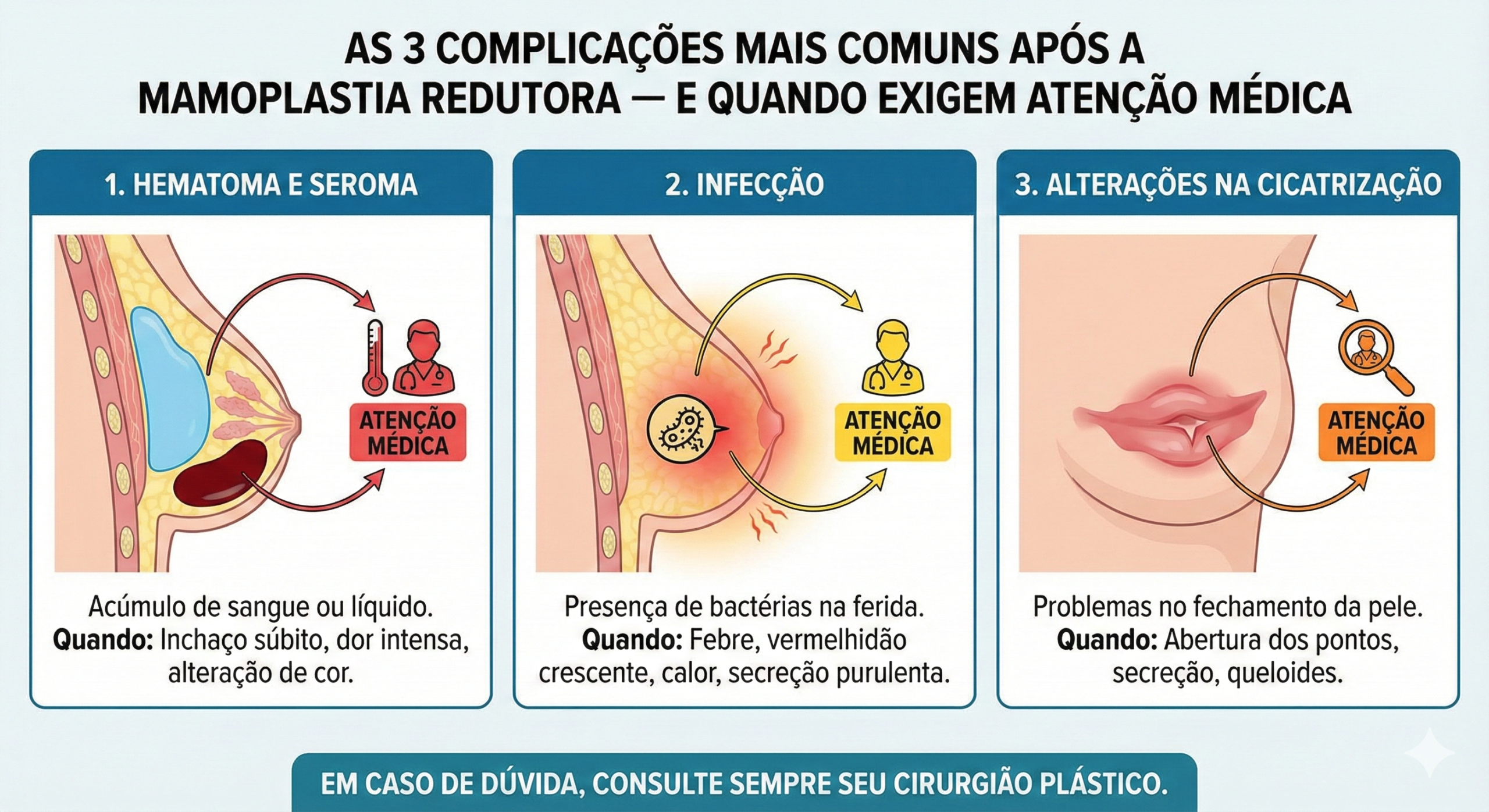
Among the complications of silicone implant explantation are:
- Hematoma and seroma.
- Infection and wound dehiscence.
- Change in sensation.
- Contour irregularities and residual laxity.
🔗 See tips to prepare for surgery
Postoperative care
Recovery requires attention and medical follow-up:
- Use of a surgical bra and compressive dressing.
- Avoid extensive arm movements for 2 to 3 weeks.
- Maintain good nutrition and hydration.
- Periodic medical evaluations and, if indicated, anatomopathological examination of the capsule.
🔗 Learn more about postoperative diet and smoking and surgical risks.
Histopathological aspects of the capsule
The periprosthetic capsule can present with anything from mild fibrosis to chronic inflammation.
In suspected cases, anatomopathological examination is crucial to detect:
- Granulomatous inflammation due to silicone.
- Epithelioid metaplasia.
- BIA-ALCL lymphoma, a rare condition.
Aesthetic and emotional recovery
After explantation, the breast tends to become more natural, but may present laxity or volume reduction.
Mastopexy and lipofilling help to restore shape, respecting the patient's anatomy and desires.
Follow-up with the plastic surgeon is essential for a safe, balanced, and aesthetic result.
CTAs
👉 Do you want to know if explantation is indicated in your case? Schedule an evaluation with Dr. Fernando Amato.
👉 Also check out other mammoplasty and mastopexy procedures.
FAQ — Silicone Implant Explantation
(marked with schema.org/FAQPage)
1. What is silicone implant explantation?
It is surgery to remove breast implants and, if necessary, treat the fibrous capsule around them.
2. When is it indicated?
Due to personal desire, capsular contracture, rupture, infection, or suspicion of BIA-ALCL.
3. Do I need to remove the capsule along with the implant?
It depends on medical evaluation. Therefore, it is not always necessary to remove the entire capsule.
4. Do breasts become saggy after explantation?
It can happen. Mastopexy corrects this laxity and improves contour.
5. Is explantation painful?
Pain is moderate and controlled with common analgesics.
6. What is the recovery time?
On average, 30 days for light activities. More strenuous efforts after 6 weeks.
7. Is it possible to perform fat grafting along with explantation?
Yes. The procedure helps to restore volume and shape.
8. Does explantation interfere with breastfeeding?
No, as long as the mammary glands are preserved.
9. Can I remove implants for general health reasons?
Yes, if there are associated symptoms or medical recommendation.
10. Does the surgery leave a visible scar?
It normally uses the same scar from implant placement, or a mastopexy access, such as an inverted T.
Recommended video
🎥 Silicone Implant Explantation — Dr. Fernando Amato Explains
Conclusion
Silicone implant explantation is therefore a safe and effective procedure when properly indicated.
The choice of technique — simple, partial, total, or en bloc — must balance safety, aesthetics, and clinical necessity.
With adequate evaluation and specialized follow-up, it is possible to achieve a harmonious, healthy, and lasting result.
👉 Schedule your consultation and find out which option is ideal for your case.
Related articles



Agendar consulta
Precisa de orientação personalizada?
Marque uma avaliação com o Dr. Fernando Amato e tire as suas dúvidas sobre cirurgia plástica.
Falar no WhatsApp