- Doenças
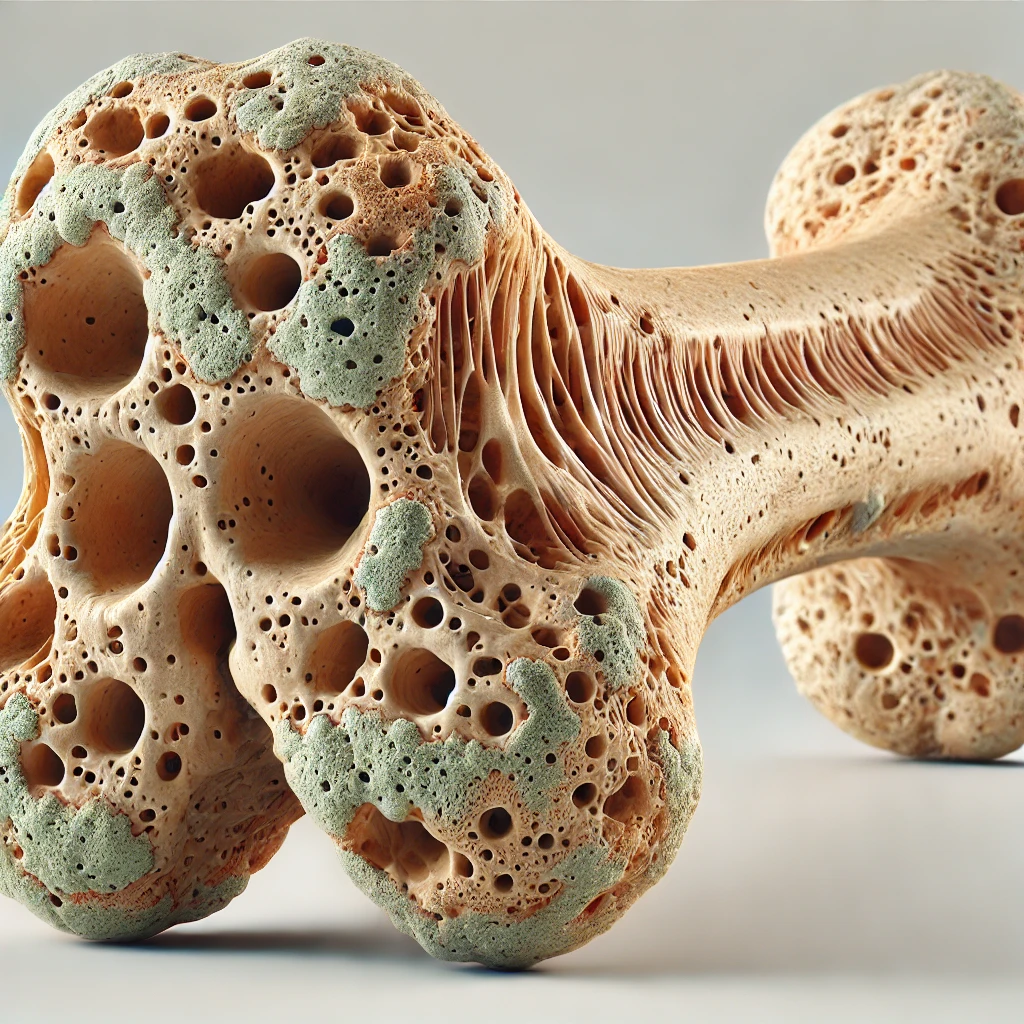
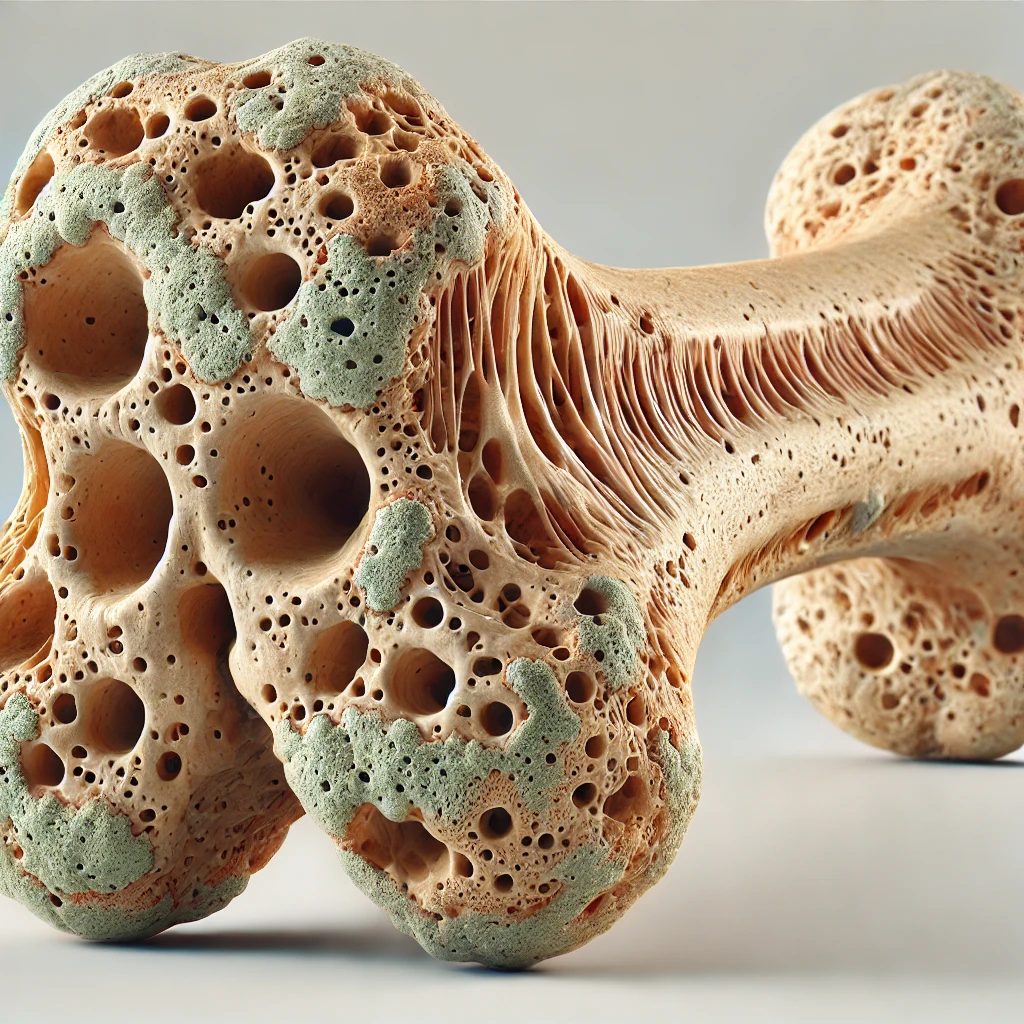
Doença de Paget
- novembro 9, 2024
- By Fernando Amato
Doença de Paget: Um Olhar Simples sobre um Problema Complexo
Introdução
Você já ouviu falar na Doença de Paget do osso? Esse distúrbio bastante peculiar foi descrito pela primeira vez pelo cirurgião britânico Sir James Paget lá em 1877. Então, imagina só, o cara estava tão à frente do seu tempo que até hoje estudamos o problema que ele descobriu! Assim, hoje vamos mergulhar nesse assunto, entendendo desde o que causa essa doença até como ela é tratada.
Um pioneiro chamado Sir James Paget
Sir James Paget, nascido em 1814, não foi apenas mais um médico. Esse britânico portanto, foi um gigante na cirurgia e na patologia, e seu legado vai muito além da doença que leva seu nome. Ele foi o primeiro a descrever não só a Doença de Paget do osso, mas também outras condições médicas que ainda estudamos. É como se ele tivesse dado os primeiros passos em uma trilha que muitos outros seguiriam.
Onde e quem afeta a doença de Paget?
Parece que a Doença de Paget prefere certos lugares e pessoas. Então, é mais comum na Europa e nos EUA e geralmente afeta pessoas com mais de 50 anos. Os homens contudo, são um pouco mais propensos a desenvolvê-la do que as mulheres. Assim, é raro ver jovens com menos de 20 anos apresentando essa condição.
Por que isso acontece?
A verdade é que ainda estamos tentando entender por que a Doença de Paget acontece. Há várias teorias por aí, de problemas com tecido conectivo a infecções por vírus. Atualmente, muitos cientistas acreditam que um tipo de vírus, chamado Paramyxovirus, pode estar envolvido. Mas, sabe como é ciência, sempre cheia de mistérios e descobertas.
Os sinais de alerta da doença de Paget
A forma como a Doença de Paget se mostra pode variar muito. Alguns sintomas comuns incluem dor óssea, deformidades e, nos casos mais graves, fraturas. Pode até afetar a audição e, raramente, a visão. O curioso é que muitas vezes a doença é descoberta por acaso, quando a pessoa faz exames por outros motivos. Estima-se que 70-90% dos casos não apresentem sintomas evidentes.
Como descobrir se é paget?
O diagnóstico da Doença de Paget geralmente vem através de exames de imagem, como radiografias, e testes que medem a atividade óssea. Os médicos também observam a presença de certas substâncias no sangue e na urina que indicam que os ossos estão sendo remodelados de forma anormal.
Tratar para melhorar
O tratamento depende muito dos sintomas e da gravidade da doença. Analgésicos e anti-inflamatórios são comuns para aliviar a dor, e os bisfosfonatos são usados para controlar a atividade da doença. Em casos de deformidades graves ou fraturas, a cirurgia pode ser necessária.
Conclusão
A Doença de Paget é realmente complexa e exige uma abordagem cuidadosa. Com o diagnóstico certo e o tratamento apropriado, muitos pacientes conseguem viver bem e com menos dor. Continuamos esperando que a pesquisa avance para que possamos entender melhor e tratar ainda mais eficazmente essa enigmática condição médica.
Perguntas Comuns
- A Doença de Paget é hereditária? Embora ainda não entendamos completamente suas causas, sabemos que a genética pode ter um papel importante.
- Quais são as complicações a longo prazo? Além de dor crônica e deformidades ósseas, há um risco pequeno, mas real, de a doença evoluir para um tipo de câncer ósseo conhecido como sarcoma.
- Existem fatores de risco conhecidos? A idade avançada, histórico familiar e viver em certas regiões são os principais fatores de risco.
Artigos relacionados

Alimentação antes e depois da cirurgia plástica

Alimentação saudável no pós-operatório de cirurgia plástica

Atrofia da Gordura Temporal: causas, consequências e tratamentos
Agendar consulta
Precisa de orientação personalizada?
Marque uma avaliação com o Dr. Fernando Amato e tire as suas dúvidas sobre cirurgia plástica.
Falar no WhatsApp