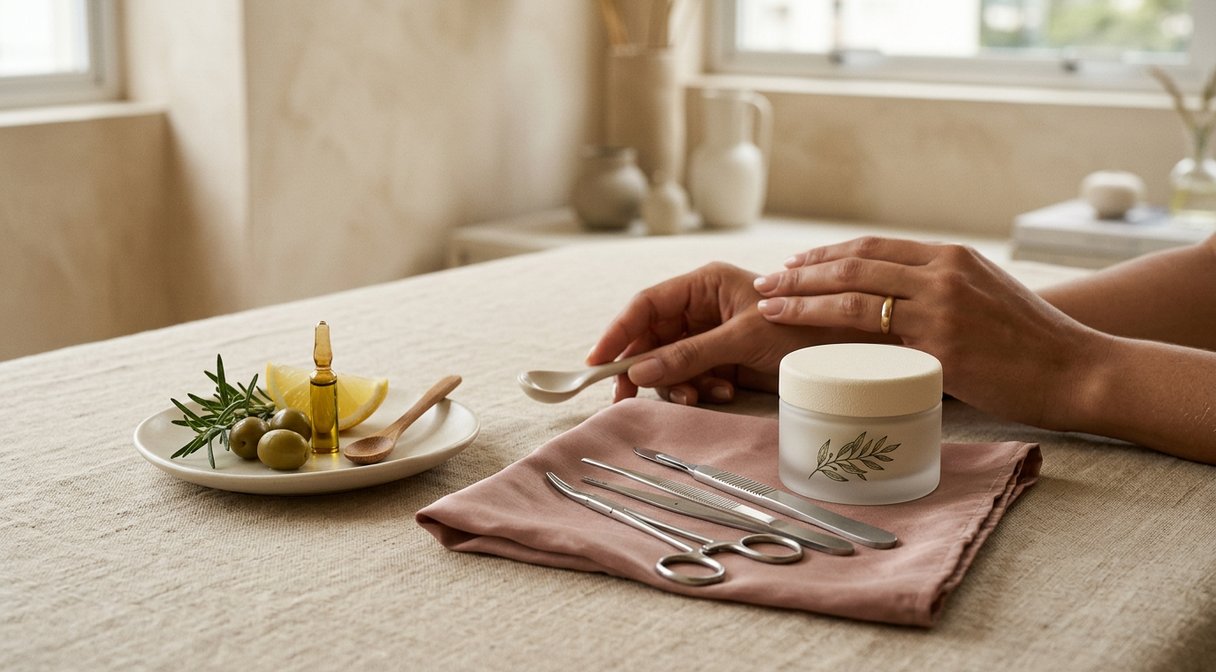
The Mediterranean diet and lipedema have been discussed more frequently because lipedema does not only involve fat accumulation. It is a chronic, complex condition, associated with pain, sensitivity, heaviness, edema, easy bruising, and a significant impact on quality of life.
Although still poorly understood by the general population, lipedema involves adipose tissue alterations, chronic low-grade inflammation, hormonal, vascular, and lymphatic factors. Therefore, treatment usually requires a multidisciplinary approach, with individualized medical assessment.
In this context, nutrition should not be seen as an isolated solution, but it can be a relevant tool within metabolic and inflammatory care. The proposal is not to promise a cure, nor to reduce lipedema to “lack of diet,” but rather to understand how sustainable food choices can support overall health.
What is lipedema and why nutrition matters
Lipedema is characterized by a disproportionate increase in adipose tissue, mainly in the legs, hips, and, in some cases, arms. Lipedema fat usually behaves differently from common fat, with greater pain sensitivity and less response to conventional diets in certain areas.
This does not mean that nutrition is irrelevant. Lipedema can coexist with visceral fat gain, insulin resistance, sedentary lifestyle, worsening body composition, and metabolic changes. These factors can increase discomfort, systemic inflammation, and functional difficulty.
Therefore, the goal of nutrition in lipedema is not to “dry out” a specific area, but to improve the body's metabolic environment. This includes better glycemic control, lower consumption of ultra-processed foods, higher fiber intake, and better nutritional quality.
Mediterranean diet and lipedema: what science suggests
Currently, there is no specific diet capable of curing lipedema. Recent reviews on nutritional approaches in lipedema indicate that patterns such as modified Mediterranean diet, lower glycemic load diet, and anti-inflammatory strategies are being studied, but there is still no single valid prescription for all patients.
The Mediterranean diet stands out because it prioritizes natural foods, vegetables, fruits, legumes, whole grains, olive oil, fish, nuts, and herbs. This eating pattern is associated with a better metabolic profile, cardiovascular health, and lower systemic inflammation in different populations, although this does not mean a direct and guaranteed effect on all lipedema symptoms.
A study with a modified Mediterranean diet in patients with lipedema evaluated changes in body composition and general health status after nutritional intervention. The results suggest potential benefits, but the number of participants was limited, which reinforces the need to interpret the data with caution.
In practice, this means that the Mediterranean diet can be useful as part of a larger plan. It does not replace medical evaluation, compression therapy when indicated, physical activity, muscle strengthening, adequate sleep, and nutritional monitoring.
Why ultra-processed foods can worsen the metabolic context
Patients with lipedema frequently report a feeling of heaviness, swelling, pain, fatigue, and worsening mobility. These symptoms can be influenced by various factors, including inflammation, fluid retention, sleep quality, physical activity, and body composition.
Diets rich in ultra-processed foods, excess sugar, sugary drinks, refined flours, and caloric excess can favor metabolic worsening. This can lead to increased insulin resistance, fluctuations in hunger and satiety, abdominal fat gain, and greater difficulty maintaining energy throughout the day.
Dietary guidance, in this scenario, must be realistic. Instead of imposing extreme restrictions, the focus should be on reducing the frequency of low-nutritional-quality foods and increasing the presence of fresh and minimally processed foods. The topic connects with the importance of a diet adjusted to the routine, preferences, and clinical conditions of each person. A plan that is difficult to sustain tends to generate frustration and abandonment.
What characterizes the Mediterranean diet
The Mediterranean diet is not just a list of foods. It represents an eating pattern based on real food, simple preparation, vegetable variety, and the predominant use of good quality fats. In general, this pattern includes:
- varied vegetables daily
- fruits in adequate portions
- legumes, such as beans, lentils, peas, and chickpeas
- whole grains, when well tolerated
- olive oil as the main source of fat
- fish and seafood regularly
- nuts, such as cashews and walnuts
- herbs, natural seasonings, and less use of industrialized products
It also tends to reduce the consumption of processed meats, cured meats, frequent sweets, sugary drinks, and ultra-processed foods. This set can promote satiety, nutritional quality, and metabolic control.
Glycemic control, insulin, and satiety
Many patients with lipedema report difficulty losing weight, a feeling of an inflamed body, and worsening symptoms during periods of greater dietary disorganization. Although lipedema is not simply caused by excess weight, metabolic changes can aggravate the overall condition.
The Mediterranean diet can help with glycemic control because it combines fiber, healthy fats, and proteins in more balanced meals. This tends to reduce sharp peaks in glucose and early hunger, especially when compared to a diet rich in sugar and refined flours.
This point is important because insulin resistance can coexist with lipedema. When present, it should be evaluated and monitored by health professionals, as it may require specific strategies. The goal is not to seek extreme weight loss. The safest goal is to improve metabolic health, energy, body composition, and quality of life in a sustainable way.
Chronic low-grade inflammation and food choices
Chronic low-grade inflammation is one of the most discussed topics in lipedema. It should not be understood as an infection, but as a persistent state of subtle inflammatory activation that can be linked to adipose tissue, metabolism, and systemic symptoms.
The Mediterranean diet is considered an eating pattern with anti-inflammatory potential due to its richness in fiber, antioxidants, phenolic compounds, monounsaturated fats, and omega-3s. These components are present in foods such as olive oil, colorful vegetables, fish, fruits, herbs, and nuts.
Still, it is important to maintain balance in communication. Talking about anti-inflammatory nutrition does not mean promising the disappearance of pain or edema. It means offering the body an eating pattern more favorable to metabolic control and global health.
Nutrition does not replace lipedema treatment
Nutrition alone does not resolve lipedema. Care usually involves a combination of measures, defined according to symptoms, stage of the condition, presence of other diseases, and patient goals. Among the strategies frequently considered are:
- adapted physical activity
- muscle strengthening
- sleep improvement
- stress management
- compression therapy, when indicated
- physiotherapy and lymphatic care in selected cases
- medical follow-up
- individualized nutritional assessment
- surgery in specific cases, after proper indication
Physical activity, in particular, should be seen as a tool for function, strength, and metabolic health, not just as a way to burn calories. Strength exercises, walking, aquatic activities, and adapted training can be useful, as long as they respect individual pain, mobility, and limitations.
Healthy relationship with food in lipedema
Many women with lipedema have spent years trying extremely restrictive diets. Some have repeatedly been told that the problem was just “lack of weight loss,” even when there was pain, bruising, body disproportion, and poor response in specific areas.
This history can generate food guilt, anxiety, compulsive eating, frustration, and fear of eating. Therefore, the nutritional approach needs to be careful. Nutrition should be therapeutic, but not punitive.
The Mediterranean proposal is often interesting precisely because it does not depend on extremism. It allows for variety, eating pleasure, and cultural adaptation. In Brazil, it is possible to apply its principles with accessible foods, such as beans, greens, vegetables, fruits, eggs, fish, olive oil, nuts in small portions, and homemade preparations. More important than following a perfect diet for a few weeks is to build a pattern that can be maintained for years.
How to adapt the Mediterranean diet to the Brazilian routine
The Mediterranean diet can be adapted without exactly copying the menu of Mediterranean countries. The central point is to prioritize food quality.
A simple dish can include brown rice or another carbohydrate source, beans or lentils, salad, vegetables, olive oil, and a protein source. Fish can be included a few times a week, but eggs, chicken, natural yogurt, and legumes can also be part of the routine, according to tolerance and professional guidance.
Snacks can be organized with fruits, natural yogurt, seeds, nuts in moderate portions, or homemade preparations. The main concern is to prevent the routine from depending on biscuits, sweets, snacks, soft drinks, and ready-made products. Small consistent changes are usually more sustainable than very rigid diets.
The role of sleep, stress, and smoking
Lifestyle directly influences metabolic health and inflammation. Insufficient sleep, chronic stress, and a sedentary lifestyle can make healthy food choices difficult, increase emotional hunger, and reduce motivation for movement.
Smoking and tobacco use also deserve attention, as they impair circulation, healing, and vascular health. In patients considering surgical procedures or invasive treatments, these risks should be discussed seriously.
When planning treatments, exams, and procedures, good organization of pre-operative conditions and general clinical care is an important part of safety. Even when the main topic is nutrition, lipedema care must be integrated.
When to seek professional help
Professional evaluation is important when there is significant pain, persistent edema, functional worsening, rapid weight gain, suspicion of insulin resistance, compulsive eating, a history of very restrictive diets, or doubts about supplementation.
Nutritionists and doctors can adjust the plan according to exams, routine, preferences, gastrointestinal symptoms, medications, hormonal phase, and presence of other conditions. This is especially important because not every patient needs the same strategy.
Some people benefit from a reduction in glycemic load. Others need to improve protein intake, treat compulsive eating, adjust schedules, or correct nutritional deficiencies. The Mediterranean diet can be the basis, but individualization defines the best application.
The goal is health, functionality, and quality of life
The Mediterranean diet should not be presented as a cure for lipedema. Lipedema is a chronic and multifactorial condition that requires continuous care and individual evaluation.
Still, within a global lifestyle medicine strategy, this eating pattern can contribute to better nutritional quality, metabolic control, cardiovascular health, satiety, and possible reduction of the inflammatory environment.
Lipedema care goes beyond aesthetics. It involves health, inflammation, functionality, self-esteem, and quality of life. Nutrition is an important part of this journey, especially when it stops being punishment and becomes a tool for sustainable care.
Frequently Asked Questions
Does the Mediterranean diet cure lipedema?
No. To date, there is no proven diet that cures lipedema. The Mediterranean diet can be used as a complementary strategy to improve dietary quality, metabolic control, and systemic inflammation.
Do people with lipedema need to lose weight?
Weight loss is not always the main focus. The goal should be to improve metabolic health, strength, mobility, pain, energy, and quality of life. When there is excess visceral fat or insulin resistance, weight reduction may be part of the plan, but it should be conducted without extremism.
Does lipedema fat go away with diet?
Lipedema fat may have a limited response to conventional diets, especially in the most affected areas. Even so, diet can improve associated factors such as inflammation, satiety, glycemia, global body composition, and well-being.
Is a low-carb diet better than a Mediterranean diet for lipedema?
There is no single answer. Some patients may benefit from a lower glycemic load, while others adhere better to a traditional or modified Mediterranean diet. The best strategy is one that combines safety, evidence, adherence, and individualization.
Can I eat carbohydrates if I have lipedema?
Yes, but quality and quantity matter. Carbohydrates from fruits, legumes, tubers, and whole grains tend to be better choices than sugar, soft drinks, frequent sweets, and excess refined flours.
Does olive oil help with lipedema?
Olive oil is one of the main fat sources in the Mediterranean diet and contains compounds associated with metabolic and cardiovascular benefits. It can be part of a healthy diet but should not be seen as an isolated treatment for pain, edema, or lipedema fat.
Are anti-inflammatory supplements necessary?
Not always. Supplements should only be used when there is an individual indication, documented deficiency, or clear clinical goal. The basis of care is usually quality nutrition, physical activity, sleep, stress management, and professional follow-up.
Agendar consulta
Precisa de orientação personalizada?
Marque uma avaliação com o Dr. Fernando Amato e tire as suas dúvidas sobre cirurgia plástica.
Falar no WhatsApp