
- Surgeries, Body
Understanding Rectus Abdominis Diastasis: Causes, Symptoms, and Treatments
- February 28, 2024
- By Fernando Amato
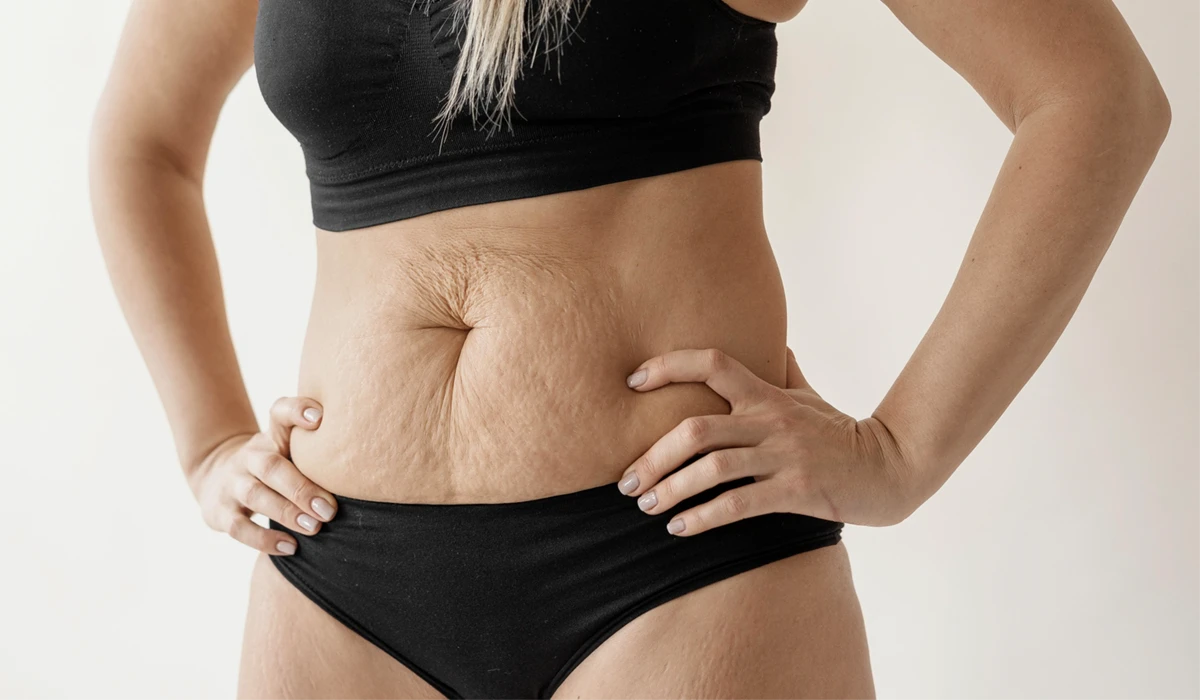
Rectus abdominis diastasis is a condition that, although frequently associated with the postpartum period, can affect both women and men, resulting from the separation of the midline abdominal muscles. Therefore, this phenomenon can lead to a series of physical discomforts and aesthetic changes, significantly impacting the quality of life of affected individuals.
- 🤰 Causes and Risk Factors for Diastasis
- 📏 How to Identify Rectus Abdominis Diastasis
- 💪 Treatments and Recovery
- 🏋️♂️ Prevention and Exercise Tips
- 🤔 Frequently Asked Questions about Diastasis
What is Rectus Abdominis Diastasis?
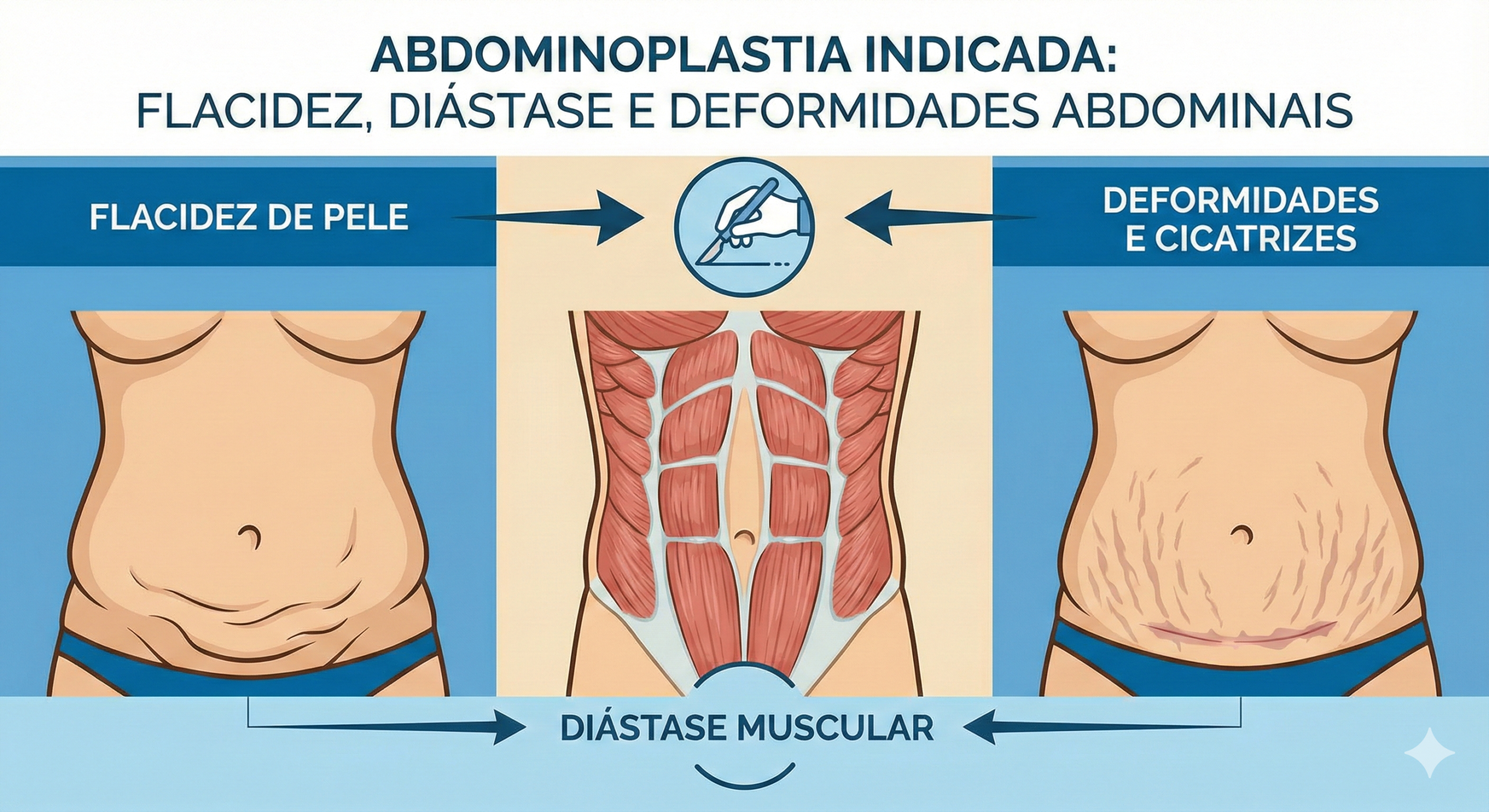
Rectus abdominis diastasis occurs when there is an abnormal separation between the two rectus abdominis muscles, located at the front of the abdomen. This separation is caused by the stretching of the linea alba, a band of connective tissue that joins these muscles in the center of the abdomen.
Causes and Risk Factors
Main causes include pregnancy, due to increased intra-abdominal pressure, inadequate physical exercises, obesity, and surgical procedures affecting the abdominal region. Risk factors include multiple pregnancies, multiple births (twins), and a history of abdominal surgeries.
Visible Symptoms and Sensations
In addition to the characteristic visual appearance, such as a bulge or “mommy tummy,” individuals may experience lower back discomfort, constipation, and difficulty performing activities that require abdominal strength.
Diagnosis and Evaluation
Diagnosis is often clinical, performed through physical examination. In some cases, imaging exams, such as ultrasound, may be used to assess the extent of the separation.
Available Treatments for Rectus Abdominis Diastasis
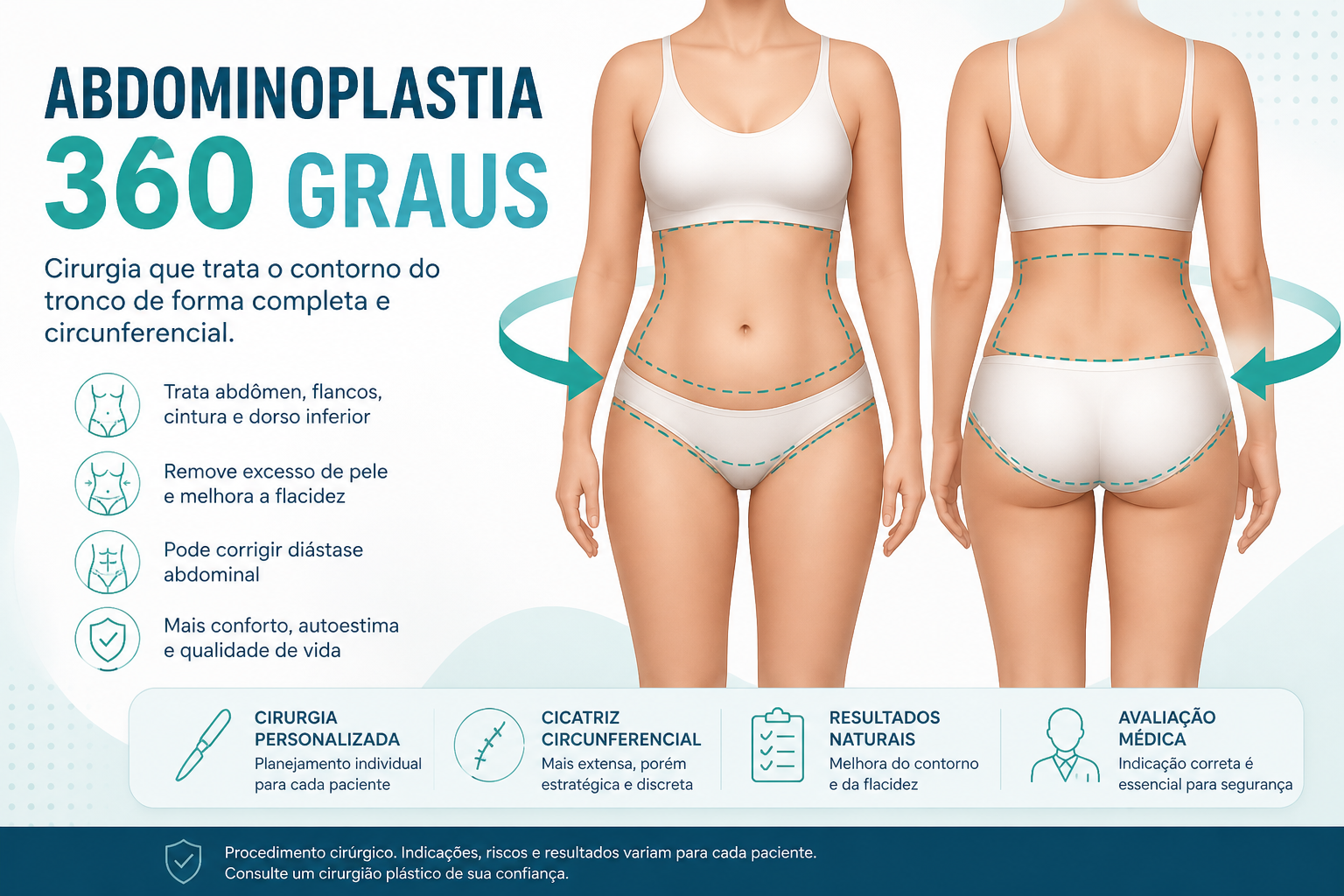
Treatment varies according to the severity of the diastasis and may include specific exercises for muscle strengthening, or surgical interventions, such as the association of abdominoplasty for more severe cases, or by video and robotic surgery for cases without skin laxity.
Prevention and Recommendations
Prevention involves strengthening the abdominal muscles, with specific exercises for the abdominal muscles, preferably hypopressive exercises. Therefore, it is also recommended to follow up with a specialist, especially during and after pregnancy, for specific exercise guidance.
Questions and Answers:
1. What causes Rectus Abdominis Diastasis?
Diastasis can be caused by any situation that exerts excessive pressure on the abdominal wall, including pregnancy, improper weight lifting, and even obesity.
2. How do I know if I have diastasis?
Common signs include a bulge or indentation along the midline of the abdomen, especially when straining. So, a specialist can make an accurate diagnosis.
3. Do all cases of diastasis require surgery?
No, many cases can be treated with physiotherapy exercises focused on strengthening the abdominal muscles.
4. Can diastasis return after treatment?
Yes, especially if precautions such as maintaining adequate strengthening and avoiding activities that increase abdominal pressure are not taken.
5. Does diastasis only affect pregnant women?
No, although it is common in postpartum women, diastasis can also affect men, especially those who are overweight or who perform physical activities that put a lot of strain on the abdomen.
Related articles

Nutrition before and after plastic surgery

Healthy eating in post-operative plastic surgery

Agendar consulta
Precisa de orientação personalizada?
Marque uma avaliação com o Dr. Fernando Amato e tire as suas dúvidas sobre cirurgia plástica.
Falar no WhatsApp