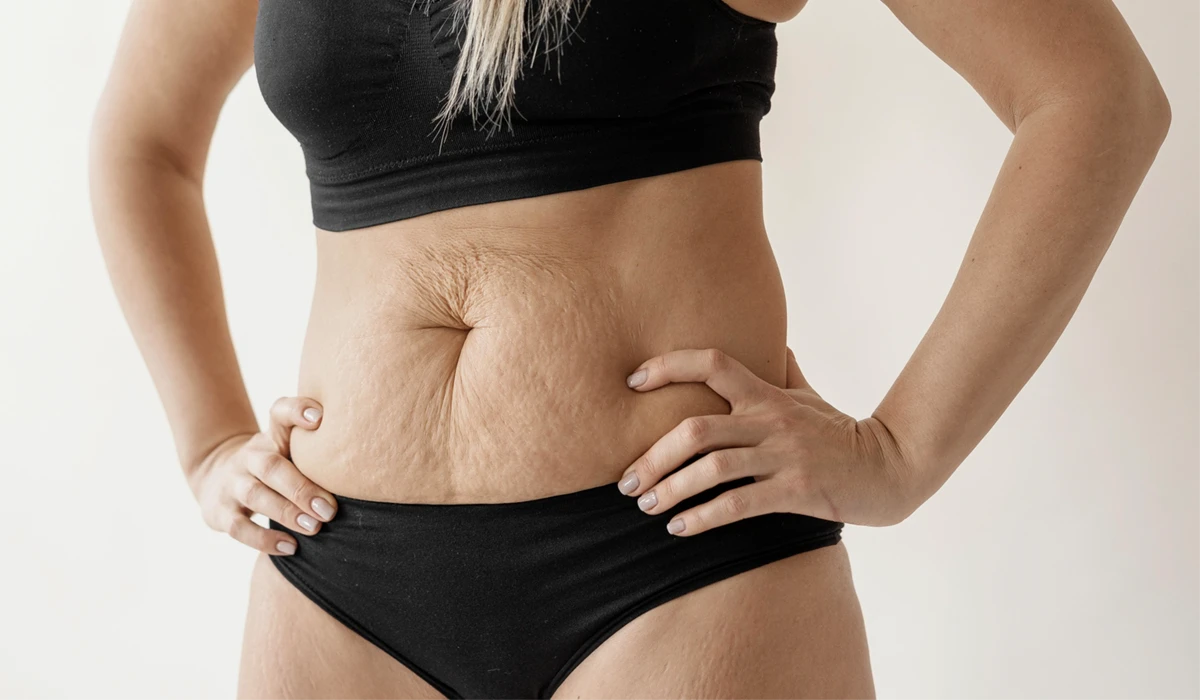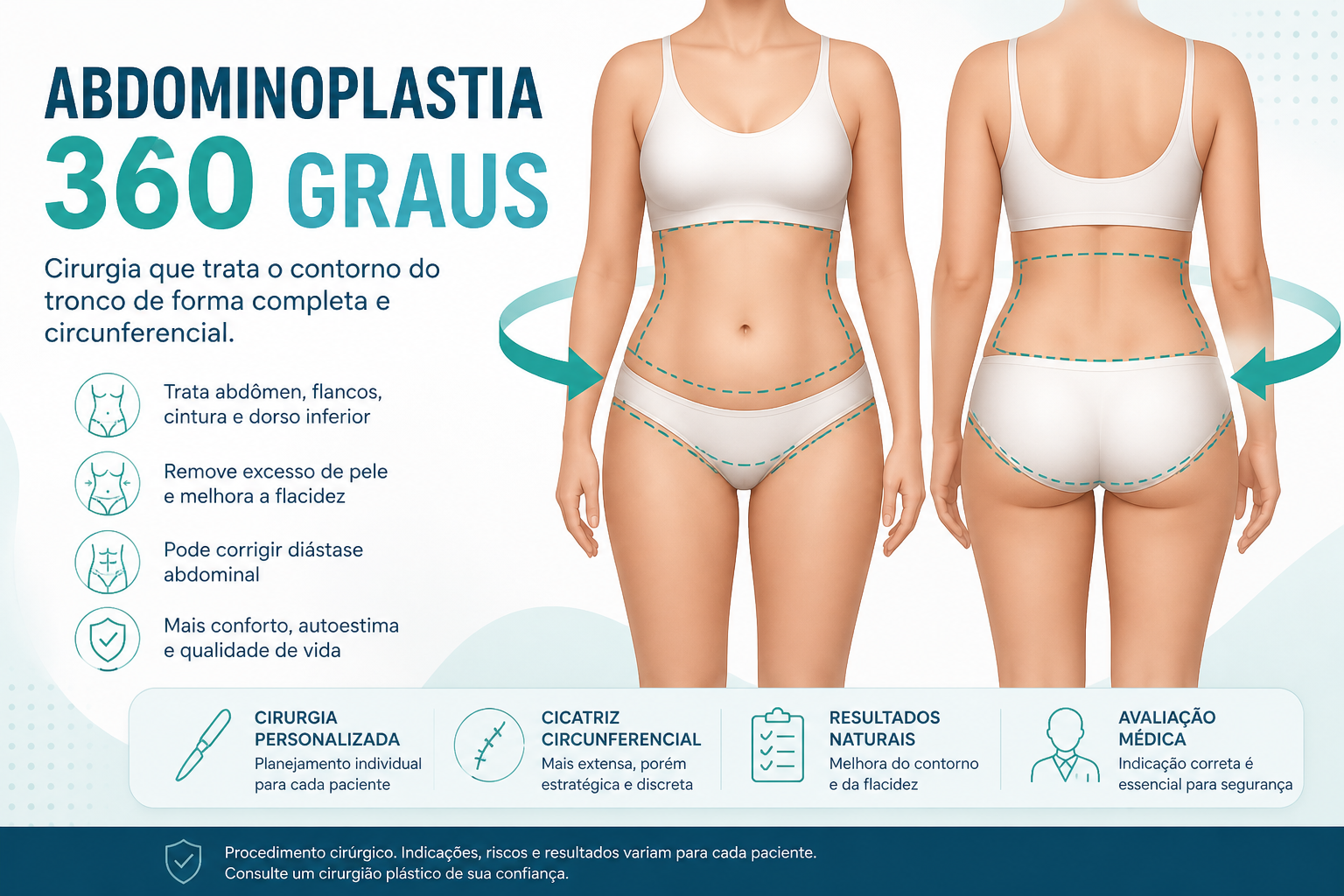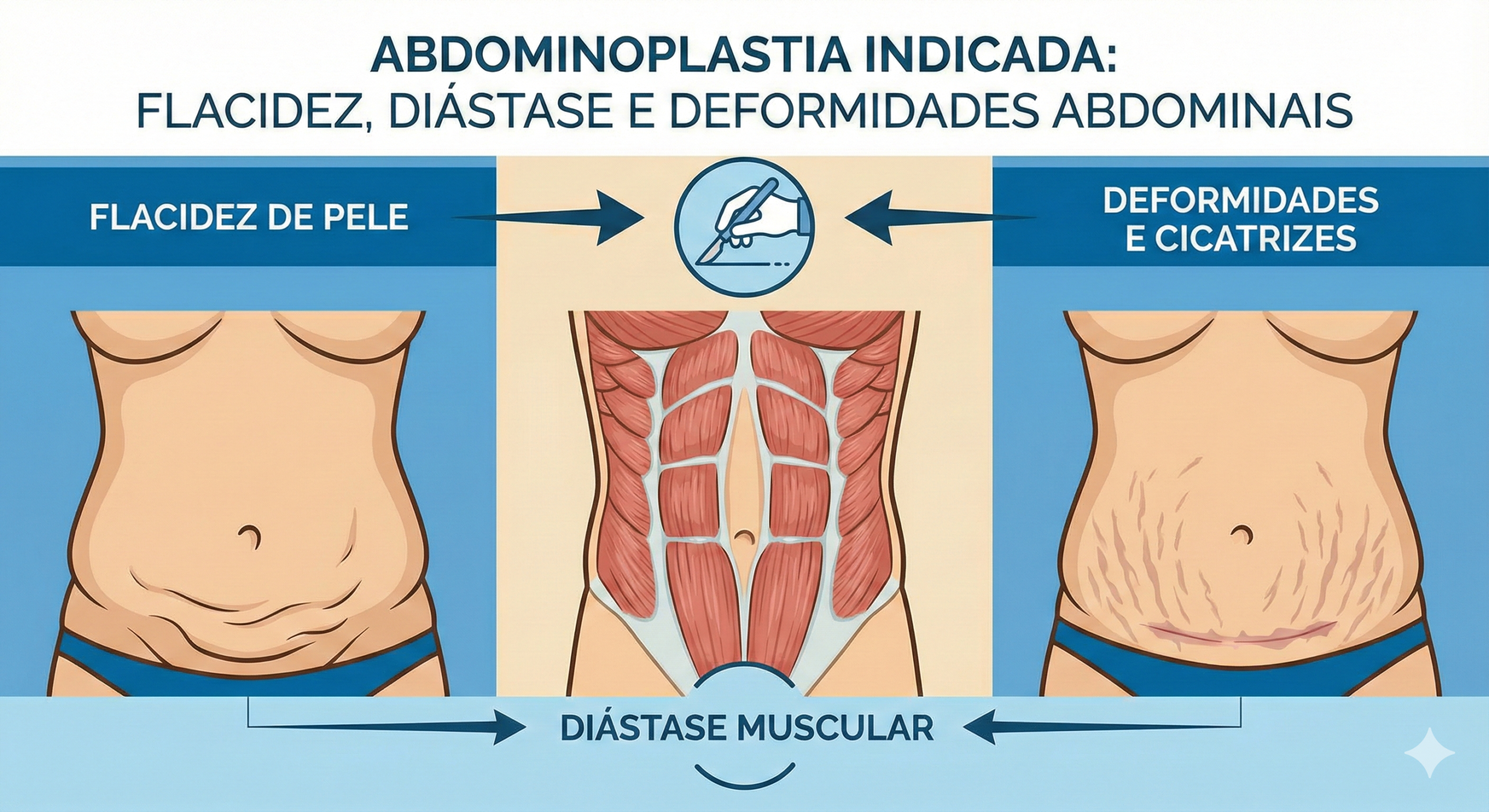
Abdominal diastasis in men exists and is more common than imagined. The main factors are previous overweight, heavy training with incorrect Valsalva maneuver, and genetic predisposition of the linea alba. Result: a bulging belly that does not improve with diet or abdominal exercises.
Why Men Develop Diastasis
- Former Obese Individuals — after weight loss (bariatric surgery or diet), the abdominal wall remains stretched and the rectus muscles stay separated.
- Weightlifting with Valsalva — heavy squats and deadlifts, holding breath and pushing the abdominal wall outwards, stretch the linea alba.
- Current Visceral Obesity — deep abdominal fat pushes the rectus muscles outwards from within.
- Genetic Predisposition — some men are born with a thinner/more elastic linea alba.
Classic Signs
- Central "ridge" when doing an abdominal crunch — the vertical bulge in the middle of the abdomen
- Belly "protrudes" forward even when standing relaxed
- "Lump" near the navel when coughing or straining (associated umbilical/epigastric hernia)
- Lower back pain due to core muscle imbalance
- Sensation of "weakness" in the center during strength exercises
Diagnosis: How to Measure
Clinical physical examination identifies, and abdominal wall ultrasound measures the inter-rectus distance at three points (supraumbilical, umbilical, infraumbilical). Classification:
| Distance Between Rectus Muscles | Classification |
|---|---|
| Up to 2 cm | Normal/mild — exercise resolves |
| 2 to 3 cm | Moderate — exercise may help; surgery if symptomatic |
| More than 3 cm | Large — surgical indication |
Surgical Treatment in Men
Endoscopic Plication (scarless)
For young men, without skin laxity and with isolated diastasis. Accessed through small incisions, video-assisted rectus muscle closure. Quick return to activities.
Male Abdominoplasty
Indicated when there is skin laxity (typical for former obese individuals). Scar is low, hidden by underwear. In men, a more conservative approach to contouring is usually taken (without waist narrowing) — aiming for a flat abdomen with an athletic, not feminine, appearance.
Plication + Hernioplasty
When there is an associated umbilical or epigastric hernia (very common in men), everything is corrected in the same procedure — hernia repair may be covered by health insurance.
Post-operative Period in Men: Specific Points
- No heavy weightlifting for 60 to 90 days
- No Valsalva (holding breath and straining) for 90 days
- Male compression garment for 30 to 45 days
- Gradual return to training — walking in the 2nd week, light cardio on the 30th day
Frequently Asked Questions
Do men get abdominal diastasis?
Yes. Although it is more commonly associated with pregnancy, diastasis occurs in men — especially in those who were overweight/obese, engage in heavy weightlifting with incorrect Valsalva maneuver, or have a genetic predisposition of the linea alba.
How do I know if I have abdominal diastasis?
Lying on your back, lift your head as if doing an abdominal crunch. If a 'ridge' or 'cord' appears in the center of your abdomen, or if you can sink two or more fingers between your rectus muscles, diastasis is suspected. Abdominal wall ultrasound confirms and measures it.
Does diastasis in men close with exercise?
Small diastases (up to 2 cm) can improve with strengthening of the transverse abdominis, hypopressive exercises, and Pilates. Larger diastases and when there is an associated hernia do not close with exercise — they require surgical correction (plication).
What is the surgery for diastasis in men?
It depends on the condition. If there is only diastasis, without excess skin, endoscopic/videoendoscopic plication (without a large scar) is indicated. If there is skin laxity (former obese individuals), classic abdominoplasty corrects everything in the same procedure. Umbilical/epigastric hernia is corrected together.
Does health insurance cover diastasis surgery in men?
Isolated diastasis (without hernia) is considered cosmetic by ANS. However, when there is an associated hernia or documented functional impairment, hernioplasty is covered — and plication can be performed in the same procedure. Surgical evaluation determines what is covered and what is not.
Agendar consulta
Precisa de orientação personalizada?
Marque uma avaliação com o Dr. Fernando Amato e tire as suas dúvidas sobre cirurgia plástica.
Falar no WhatsApp