- Surgeries, Body, Post-bariatric, For Patients
Cruroplasty
- October 13, 2023
- By Fernando Amato
Summary
- General Information about Cruroplasty (Crural Dermolipectomy)
- Risks and Complications of Cruroplasty (Crural Dermolipectomy)
- Pre-operative Guidelines for Cruroplasty (Crural Dermolipectomy)
- Post-operative Guidelines for Cruroplasty (Crural Dermolipectomy)
- Physical Recommendations
- Psychological Support
- Long-term Results
- Frequently Asked Questions (FAQs)
1. General Information about Cruroplasty (Crural Dermolipectomy)
Nomenclature:
Also known as crural dermolipectomy, thigh dermolipectomy, or thigh lift.
Objective:
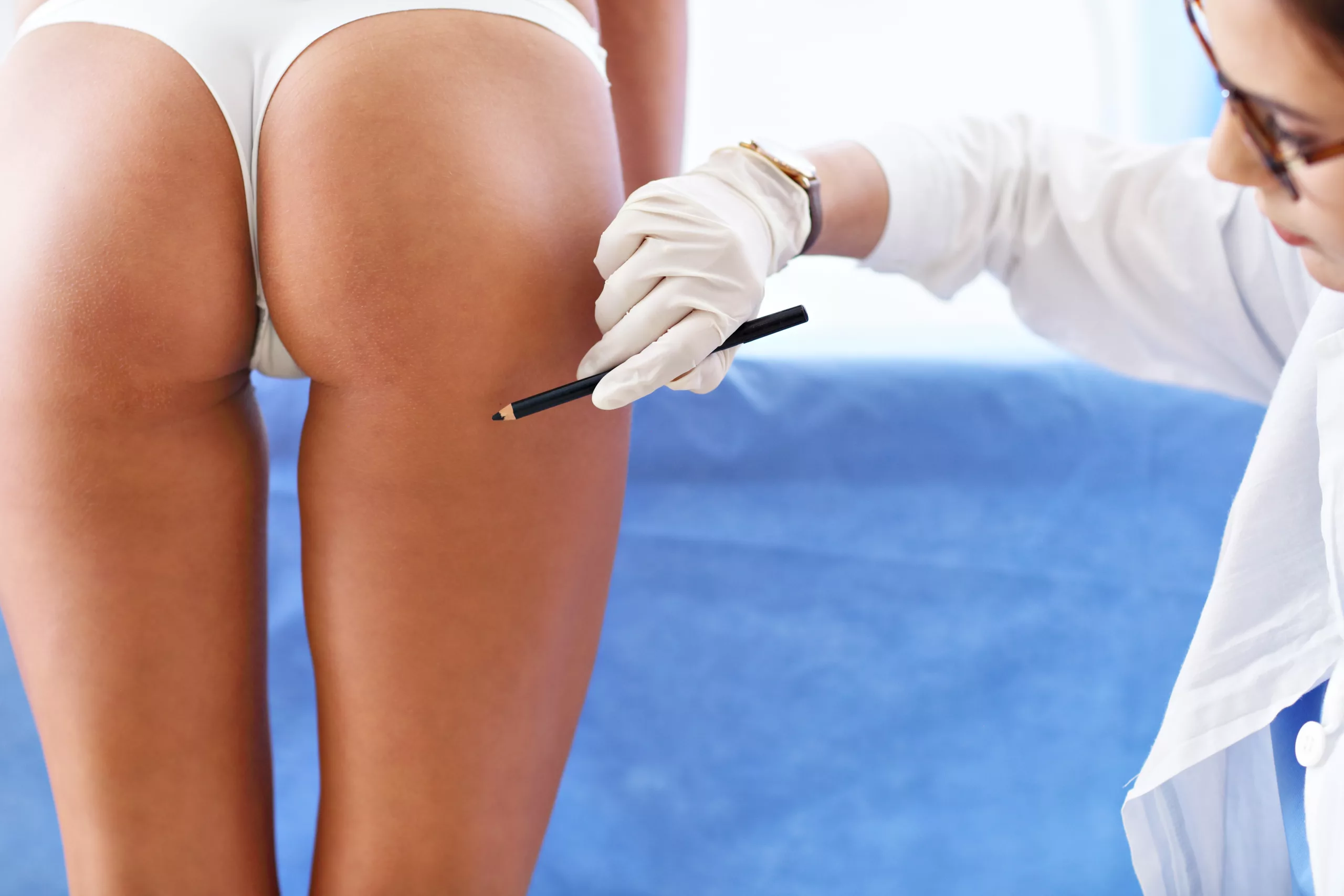
Initially, cruroplasty's main objective is to remove excess skin and fat from the inner thighs, improving contour and providing a firmer and more rejuvenated appearance. Thus, it is a common surgery after significant weight loss or simply due to the natural aging process.
Indications:
- Patients with skin laxity and excess skin in the inner thigh area.
- However, individuals who have lost a significant amount of weight and now have loose skin in this region.
- Patients seeking aesthetic improvement in their thighs.
Surgical Technique:
- The incision is typically made in the groin area, extending downwards and inwards along the thigh, depending on the amount of skin that needs to be removed. In more extensive cases, the incision may extend to the knee.
- Thus, after the incision, excess skin is removed and the area is sutured, providing a smoother and more toned contour.
Anesthesia:
- Initially, epidural anesthesia with sedation or general anesthesia is used, depending on the extent of the surgery and the preference of the anesthesiologist and surgeon.
Surgery Duration:
- Cruroplasty has an average duration of 2 to 3 hours.
Recovery:
- Complete recovery generally occurs between 3 to 6 weeks. However, intense physical activities, such as running or squatting, should be avoided for at least 8 weeks.
Benefits and Objectives of Cruroplasty (Crural Dermolipectomy)
However, Cruroplasty, also known as Crural Dermolipectomy or Thigh Dermolipectomy, is a surgical intervention primarily focused on the aesthetic and functional remodeling and improvement of the thighs. Thus, the benefits and objectives of this surgery include:
Aesthetic Enhancement:
- Reduction of Excess Skin: Especially in patients who have undergone significant weight loss, the skin on the thighs can become flaccid. Cruroplasty removes this excess, providing a firmer and more toned contour.
- Skin Smoothing: After all, the surgery can help minimize the appearance of cellulite or irregularities on the skin surface.
- Improvement of Proportions: Therefore, Cruroplasty can harmonize the proportions between the thighs and other parts of the body, providing a more pleasing aesthetic balance.
Functional Benefits:
- Reduction of Discomfort: In some cases, excess skin can cause discomfort or irritation, especially during physical activities. So, removing this excess can provide greater comfort in daily life.
- Improved Mobility: Thus, excess skin and tissue can, in some cases, limit or hinder movement. Therefore, by reshaping this region, surgery can facilitate mobility and the practice of physical activities.
- Increased Confidence: Feeling better about the appearance of their thighs, many patients report an increase in self-esteem and confidence.
Realistic Expectations: It is fundamental that the patient has realistic expectations regarding the results of the surgery. Although Cruroplasty can offer significant improvements, it is not a solution for all thigh-related problems. Therefore, detailed discussions with the plastic surgeon are essential to understand what can be achieved and what the final result will be.
2. Risks and Complications of Cruroplasty (Crural Dermolipectomy)
Thus, like any surgical procedure, Cruroplasty presents both benefits and risks. So, it is crucial that patients are aware of these risks to make informed decisions and prepare adequately for the procedure and the post-operative period.
Risks Common to Most Surgeries:
- Hematoma: Accumulation of blood in the operated area that may require drainage.
- Infection: Although sterilization measures are taken, there is always a risk of infection after surgery.
- Adverse Reactions to Anesthesia: Breathing problems, allergies, or other undesirable reactions can occur due to anesthesia.
- Abnormal Scarring: The scar may become thick, wide, or change color.
- Excessive Bleeding: In some cases, greater bleeding than expected may occur.
Specific Risks of Cruroplasty:
- Asymmetry: There may be differences in contour or size between the two thighs after surgery.
- Alteration of Sensation: There may be temporary or permanent loss of sensation in the operated area.
- Cutaneous Necrosis: In rare cases, part of the skin may not receive enough blood and die.
- Fluid Accumulation (Seroma): Fluid may accumulate in the operated area, which may require drainage.
- Unattractive Scars: Although surgeons do their best to minimize scars, the way an individual heals can lead to more visible scars.
- Long-term Complications: Revision surgeries may be necessary due to aesthetic or functional problems that arise over time.
Preventive Measures:
- Choice of Surgeon: Ensure that the chosen surgeon is qualified and experienced in Cruroplasty.
- Following Medical Guidelines: Following all pre- and post-operative instructions from the surgeon can help minimize many of the risks associated with the surgery.
- Information: Inform the doctor about any existing health conditions and about all medications and supplements you are taking.
Therefore, it is vital that patients discuss these risks in detail with their plastic surgeons and weigh them against the potential benefits of the surgery. Furthermore, adequate information and preparation are fundamental to ensure safety and the best possible results.
3. Pre-operative Guidelines for Cruroplasty (Crural Dermolipectomy)
Proper preparation for surgery is crucial to ensure patient safety and optimize results. Thus, here are some general guidelines for those considering or preparing for a Cruroplasty:
Pre-operative Consultations:
- Before surgery, pre-operative consultations are held with the plastic surgeon and their team.
- During these consultations, the doctor will assess the patient's general health, discuss expectations, and define the surgical plan.
Exams:
- Blood tests and other relevant evaluations will be requested to ensure that the patient is fit for the procedure.
Medications:
- Inform the doctor about all medications, supplements, and vitamins you are taking.
- So, the doctor may need to stop some medications, especially those that affect blood clotting, such as aspirin, before surgery.
Abstinence from Tobacco and Alcohol:
- If you smoke, the doctor will ask you to stop smoking for a period before and after surgery, as smoking can interfere with the healing process.
- Avoid consuming alcohol in the days leading up to surgery.
Day of Surgery:
- Fasting: Patients are usually asked to fast (not eat or drink) for at least 8 hours before the procedure.
- Clothing: Wear comfortable clothes that are easy to put on and take off. Prefer clothes that do not need to be pulled over the head.
- Makeup and Accessories: Avoid wearing makeup, nail polish, and jewelry on the day of surgery.
- Companion: As it is a surgery with anesthesia, it is recommended that the patient has someone to take them home after the procedure.
Skin Care:
- Keep the thigh area clean and moisturized, but avoid applying creams or lotions on the day of surgery.
Emotional State:
- It is natural to feel some anxiety before a surgical procedure. Discuss any concerns or fears with your doctor or medical team.
So, adherence to these pre-operative guidelines can help ensure that the surgery occurs without complications and that the patient is in the best possible condition for recovery.
4. Post-operative Guidelines for Cruroplasty (Crural Dermolipectomy)
Recovery after Cruroplasty requires attention and specific care to ensure proper healing and satisfactory results. Furthermore, here are some general recommendations for the post-operative period:
Dressing:
- Do not touch the dressing without medical guidance.
- Keep the dressing on for at least 24 hours. If it is dry, leave it until the next appointment.
- If the dressing comes off: wash the surgical wound only with 0.9% physiological saline for the first 2 days and then dry it. After that, wash with neutral glycerin soap.
Scar Care:
- Do not expose the wound to the sun for at least 6 months after surgery.
- Use sunscreen with at least 30 SPF, even indoors.
- Apply only products indicated by the doctor to the scar or after their authorization.
Movement:
- Avoid sudden movements or stretching of the thigh area during the first few weeks.
- Do not engage in physical exertion or exercises involving the legs for at least 30 days.
Clothing:
- Wear loose, comfortable clothing that does not rub against the operated area.
- If indicated by your doctor, use compression garments or bands on your thighs.
Diet:
- Maintain a balanced diet, avoiding foods rich in salt that can promote swelling.
- Avoid alcoholic beverages while taking prescribed post-operative medications.
- Drink at least 2 liters of water per day to aid recovery and reduce swelling.
Medications:
- Take medications as prescribed by the doctor.
- Inform the doctor if there are adverse reactions or if you decide to take medications that were not prescribed.
Warning Signs:
- Be aware of signs such as persistent fever, excessive redness, sharp pain, abnormal discharge or odors from the surgical wound, exacerbated swelling, or any other atypical symptom.
- In case of any alarm sign, contact your doctor. If you cannot, seek an emergency room.
Follow-up with Doctor:
- It is essential to attend all scheduled post-operative appointments so that the surgeon can evaluate healing and recovery progress.
Strict adherence to post-operative guidelines can significantly contribute to a smooth recovery and satisfactory aesthetic results. Open communication with your doctor is fundamental to clarify doubts and ensure that the recovery process occurs in the best possible way.
5. Physical Recommendations
So, after a Cruroplasty, the gradual resumption of physical activities is fundamental for recovery and maintaining results. However, it is essential to follow a safe pace to avoid complications:
- First Week: Thus, light walks indoors are recommended to stimulate circulation. So, avoid climbing many stairs or making sudden movements with your legs.
- Second Week: The time and distance of walks can be increased, but still without excessive effort.
- Third and Fourth Week: Furthermore, longer walks are allowed, and rehabilitation exercises can be started under the guidance of a physiotherapist.
- After one month: With medical authorization, it is possible to return to more intense exercises, but always with caution, avoiding direct impacts on the operated area.
6. Psychological Support
The recovery process after aesthetic surgery is not only physical but also emotional. Some considerations:
- Self-image: Adapting to the new appearance may take time, and the patient must be patient with themselves.
- Professional Support: Considering therapy or counseling sessions can be beneficial to deal with emotions and expectations.
- Support Networks: Connecting with support groups or other patients who have undergone similar surgeries can offer a valuable perspective.
7. Long-term Results
Cruroplasty offers lasting results, but it is crucial to maintain a healthy lifestyle:
- Weight Maintenance: Significant weight fluctuations can affect the surgical outcome.
- Skin Care: Hydration and sun protection will help keep the skin healthy and the scar less visible.
- Regular Physical Activity: Furthermore, exercises help maintain muscle tone and healthy circulation, complementing the results of the surgery.
8. Frequently Asked Questions (FAQs)
- How long do the results of Cruroplasty last? So, if a stable weight and proper care are maintained, the results can be permanent.
- Will I experience a lot of pain post-operatively? Some discomfort is common, but it is generally manageable with prescribed medication.
- When can I return to work? Depending on the nature of your job, most patients can return in 2-3 weeks.
- Will the scar be very visible? Cruroplasty scars are generally very discreet and tend to fade over time, although they never completely disappear.
Related articles



Agendar consulta
Precisa de orientação personalizada?
Marque uma avaliação com o Dr. Fernando Amato e tire as suas dúvidas sobre cirurgia plástica.
Falar no WhatsApp