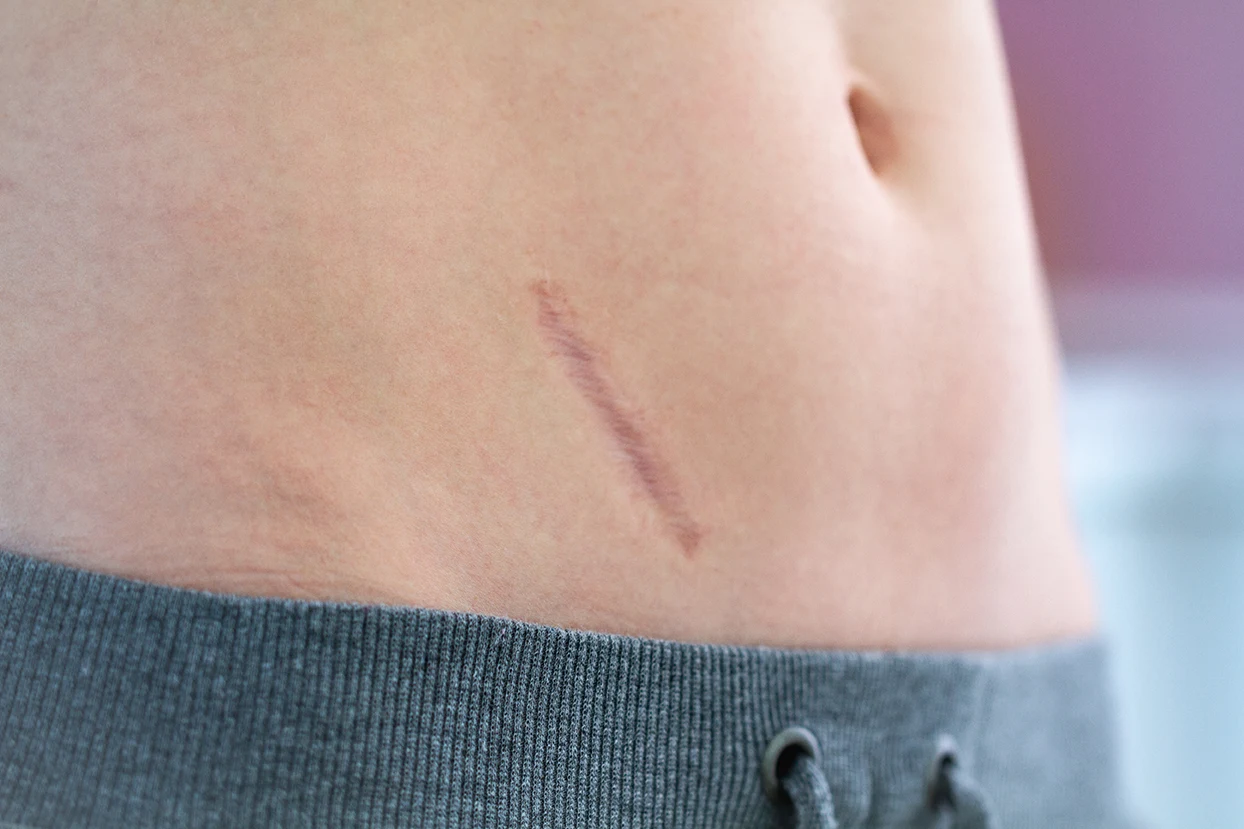
- Treatments
Invisible Scars? Is it possible? What care should be taken for perfect healing?
- October 15, 2024
- By Fernando Amato
When we talk about surgeries and aesthetic procedures, one of the points that most concern patients is scarring. The idea of having “invisible” or practically imperceptible scars is appealing, but is it really possible? Although the human body has the ability to heal naturally, there are some essential precautions that can contribute to more efficient and discreet scarring. So let's explore how to minimize scars and ensure the best aesthetic result.
What are scars and how do they form?
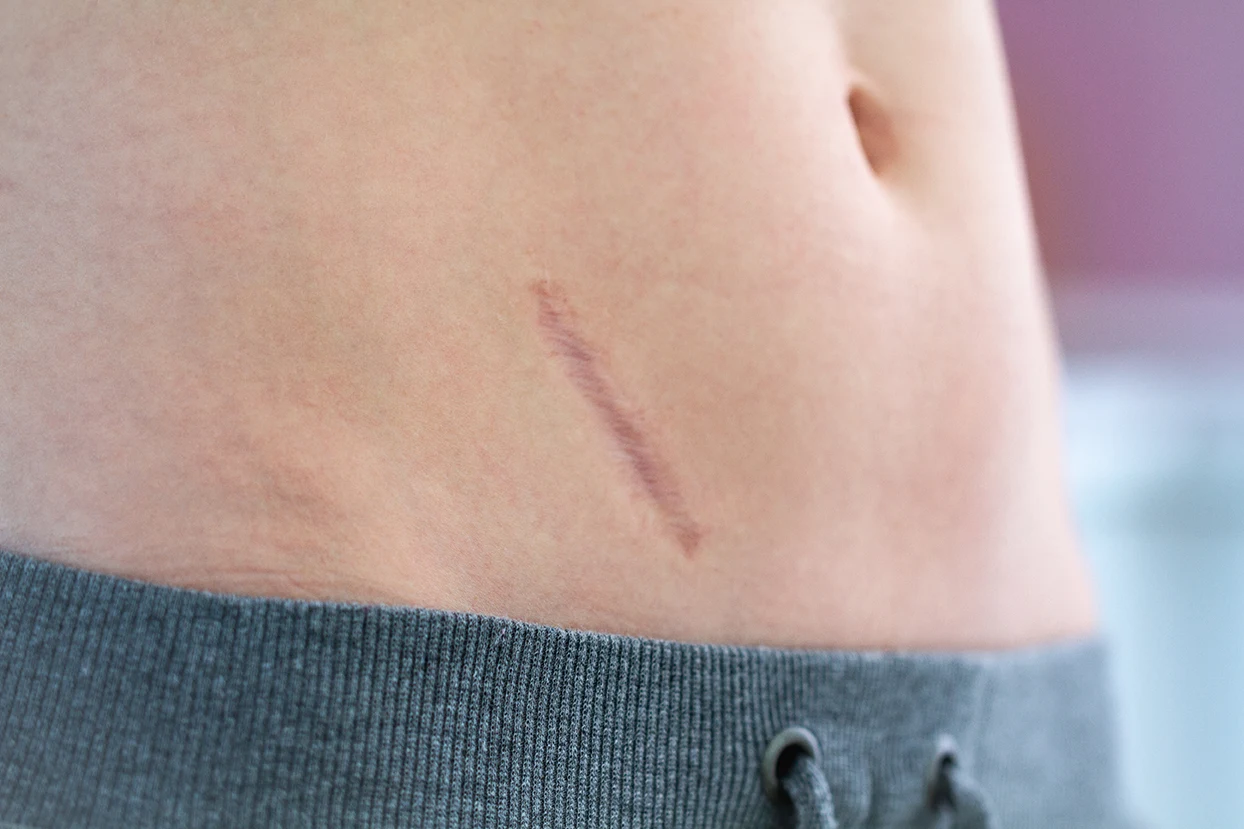
Scars are the result of the natural process of tissue repair after skin trauma, such as surgery or a cut. Thus, when the skin is injured, the body reacts by sending special cells to close the area, producing collagen, a protein essential for healing. Although the goal is to restore the skin, the way this collagen organizes will determine the final appearance of the scar.
However, the idea of “invisible scars” refers to healing where the mark is so discreet that it blends with the rest of the skin, becoming almost imperceptible. However, many factors influence the quality of healing, including genetics, skin type, incision location, and, of course, post-operative care.
Article Highlights:
🔍 “Invisible” scars can be achieved with proper care and modern surgical techniques.
🧴 Hydration and the use of specific products can reduce the formation of visible scars.
⛔️ Avoiding sun exposure on scars is crucial to prevent darkening of the area.
🛌 Adequate rest in the post-operative period helps reduce tension on the scar.
💬 Following all medical guidelines is crucial for good healing.
Factors influencing healing
1. Surgical technique:
The first step towards invisible scars is choosing a good surgical technique. Therefore, experienced surgeons, such as Dr. Fernando Amato, are knowledgeable about the best ways to perform incisions and sutures, using methods that favor more efficient healing. For example, placing the incision in areas of natural skin folds or less exposed areas can help make the scar less visible.
2. Genetics:
Genetics play an important role in scar formation. However, some people have a greater propensity to form hypertrophic (raised) scars or keloids. Thus, these conditions, which involve excessive collagen production, result in more visible and thicker scars.
3. Post-operative care:
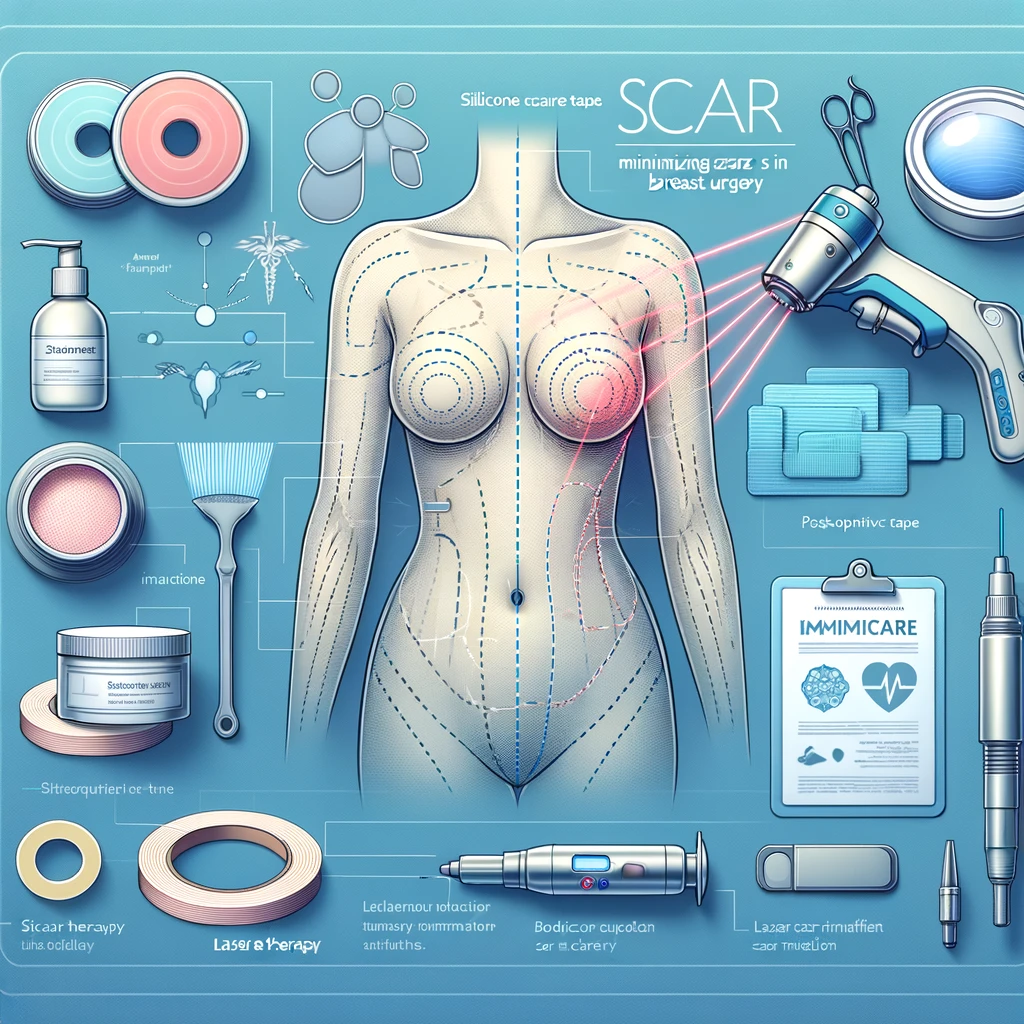
Care after surgery is crucial for the final appearance of the scar. Therefore, following the doctor's recommendations, such as the use of specific ointments, silicone tapes, or other recommended products, can help reduce the appearance of scars. In addition, keeping the area clean and protected, avoiding smoking, and a balanced diet are crucial factors.
4. Sun exposure:
However, sun exposure during the healing process can result in hyperpigmentation of the scar, making it darker and more visible. Therefore, it is important to avoid direct sun exposure and use sunscreens with a high protection factor when the scar is inevitably exposed.
5. Movement and rest:
Another important issue, however, is to avoid excessive tension in the scar area, especially in regions that are in constant motion, such as the abdomen or joints. Thus, adequate rest and avoiding physical exertion are fundamental to prevent the scar from widening.
Essential care for perfect healing
1. Hygiene and hydration
Keeping the scar clean and hydrated is essential. Thus, the doctor may recommend specific products, such as healing ointments or moisturizers with ingredients that promote cell renewal. An important tip, then, is to avoid soaps or products that may irritate the skin around the scar.
2. Use of silicone tapes
Silicone tapes are widely used to help in scar reduction. Therefore, they act by creating a barrier that maintains moisture, which reduces the chance of raised scar formation and promotes more uniform healing.
SUGGESTIONS FOR SILICONE SHEETS AND TAPES
- Placa de Silicone Kelo Gel 35×3: https://mercadolivre.com/sec/2C73fN8
- Placa de Silicone Siliforna 35×3 https://mercadolivre.com/sec/1NSjLVc
- Placa Em Gel Adesivo Areolar 7.6×7.6cm 2un Kelogel: https://mercadolivre.com/sec/2F1DZ5g
- Placa De Silicone Para Cicatriz E Queloide Lifesil: https://mercadolivre.com/sec/2M8VM6Z
- Placa Em Gel De Silicone T Invertido 23cmx13cm 2un Kelogel: https://mercadolivre.com/sec/17QfHPT
- Fita Silicone Silimed Medgel 2 Unid Para Cicatrizes 30x2cm: https://mercadolivre.com/sec/1bx6vTq
- Fita Silicone Silimed Medgel 1 Unid Para Cicatrizes 30x2cm: https://mercadolivre.com/sec/1eXWWot
- Placa De Gel De Silicone Modelo L Com Disco – 2 Unidades: https://mercadolivre.com/sec/2nA4EhC
- Placa Silicone P/ Cicatriz Modelo Te Invertido 28cm X 8,5cm: https://mercadolivre.com/sec/1wqT2BH
- Fita Silicone Silimed Medgel 2 Unid Para Cicatrizes 30x2cm: https://mercadolivre.com/sec/2PhdoLf
3. Avoid smoking
However, cigarettes and smoking compromise blood circulation, decreasing tissue oxygenation and delaying the healing process. In addition, smoking is associated with a higher risk of complications such as infections and tissue necrosis.
4. Protect from the sun
Sun exposure can change the color of the scar, darkening it and making it more visible. Therefore, the use of sunscreen with an SPF of 50 or more is recommended until the scar is completely formed, which can take up to a year.
5. Scar massage
After the initial healing period, gentle massage on the scar can help improve its appearance. This technique, however, aids in collagen redistribution and helps prevent the appearance of fibrosis (tissue hardening).
Aesthetic procedures to improve scars
If the scar does not evolve as expected, there are several aesthetic procedures that can improve its appearance:
Fractional laser: Helps to soften scars, especially darker or thicker ones, stimulating collagen production and evening out skin texture.
Microneedling: A technique that uses micro-needles to stimulate skin regeneration, being effective for older or deeper scars.
Chemical peels: Promote the renewal of the superficial layers of the skin, improving the appearance of superficial scars.
These treatments should always be indicated and supervised by a plastic surgery or dermatology specialist.
Conclusion: Is it possible to have invisible scars?
Although the term “invisible scar” is somewhat optimistic, it is possible to achieve very discreet scars with the right combination of surgical technique, post-operative care, and specific treatments. Thus, each patient is unique, and professional monitoring is essential to ensure the best possible results.
If you are planning a surgical procedure and want to discuss how to minimize scars, schedule a consultation with Dr. Fernando Amato to find out the best strategies for your specific case.
SUGGESTIONS FOR SILICONE TAPES AND SHEETS
- Placa de Silicone Kelo Gel 35×3: https://mercadolivre.com/sec/2C73fN8
- Placa de Silicone Siliforna 35×3 https://mercadolivre.com/sec/1NSjLVc
- Placa Em Gel Adesivo Areolar 7.6×7.6cm 2un Kelogel: https://mercadolivre.com/sec/2F1DZ5g
- Placa De Silicone Para Cicatriz E Queloide Lifesil: https://mercadolivre.com/sec/2M8VM6Z
- Placa Em Gel De Silicone T Invertido 23cmx13cm 2un Kelogel: https://mercadolivre.com/sec/17QfHPT
- Fita Silicone Silimed Medgel 2 Unid Para Cicatrizes 30x2cm: https://mercadolivre.com/sec/1bx6vTq
- Fita Silicone Silimed Medgel 1 Unid Para Cicatrizes 30x2cm: https://mercadolivre.com/sec/1eXWWot
- Placa De Gel De Silicone Modelo L Com Disco – 2 Unidades: https://mercadolivre.com/sec/2nA4EhC
- Placa Silicone P/ Cicatriz Modelo Te Invertido 28cm X 8,5cm: https://mercadolivre.com/sec/1wqT2BH
- Fita Silicone Silimed Medgel 2 Unid Para Cicatrizes 30x2cm: https://mercadolivre.com/sec/2PhdoLf
Questions and Answers:
1. Is it possible to completely avoid scars?
Unfortunately, it is not possible to completely avoid scars, as they are part of the body's natural healing process. However, it is possible to reduce their appearance.
2. Can everyone use silicone tapes for scars?
Yes, silicone tapes are safe for most people, but it's always good to consult your doctor before starting any treatment.
3. Does diet influence healing?
Yes, a diet rich in protein, vitamins, and minerals can accelerate healing and improve the appearance of the scar.
4. Can I exercise during the healing period?
It depends on the surgery performed. Therefore, it is important to follow medical guidelines and avoid activities that may tension the scar.
5. What are keloids and how to treat them?
Keloids are raised and thickened scars that grow beyond the limits of the original incision. However, they can be treated with corticosteroid injections, laser, or surgery.
6. When can I expose the scar to the sun?
The scar should be protected from the sun for at least 6 months, using sunscreen or physical coverings.
7. How to prevent scar infections?
Keeping the area clean, following the doctor's instructions, and avoiding touching the scar with dirty hands are important measures to prevent infections.
8. Does scar massage help improve its appearance?
Yes, gentle massage can help soften the scar and improve its elasticity.
9. Do healing products really work?
Yes, many products aid in healing, but ideally, they should be prescribed by a doctor.
10. How do I know if my scar is healing well?
If the scar is becoming less visible over time, without signs of infection, such as excessive redness or discharge
Related articles


Agendar consulta
Precisa de orientação personalizada?
Marque uma avaliação com o Dr. Fernando Amato e tire as suas dúvidas sobre cirurgia plástica.
Falar no WhatsApp