- Surgeries, Body, Diseases
Is a Purple Scar Normal?
- March 6, 2024
- By Fernando Amato
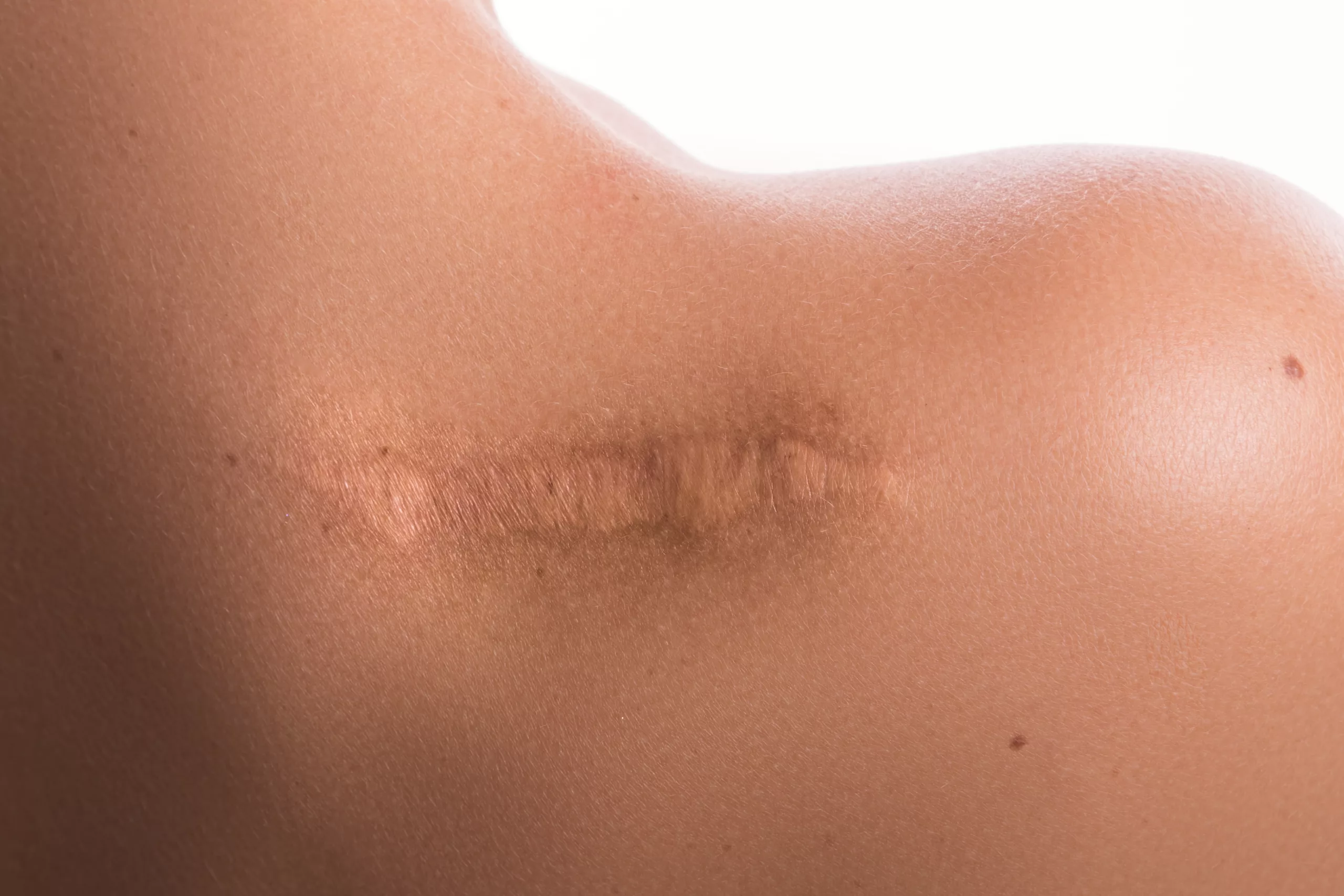
Yes, the presence of a scar with a purple hue is a normal occurrence in many cases, especially in the initial stages of the healing process. Therefore, the purple or bluish discoloration can result from various factors related to the healing process. Below, we will explore in more detail why these discolorations occur and what they mean in the context of wound recovery.
- Normal Healing Process 🔄: A purple scar is common in the initial phases of healing, reflecting the body's response to trauma.
- Color Change 🎨: The scar can go through various colors, from purple to red, until it reaches its final color, as part of the natural healing process.
- Warning Signs ⚠️: Persistence of purple color, increased pain, warmth, redness, discharge, or unpleasant odors may indicate complications.
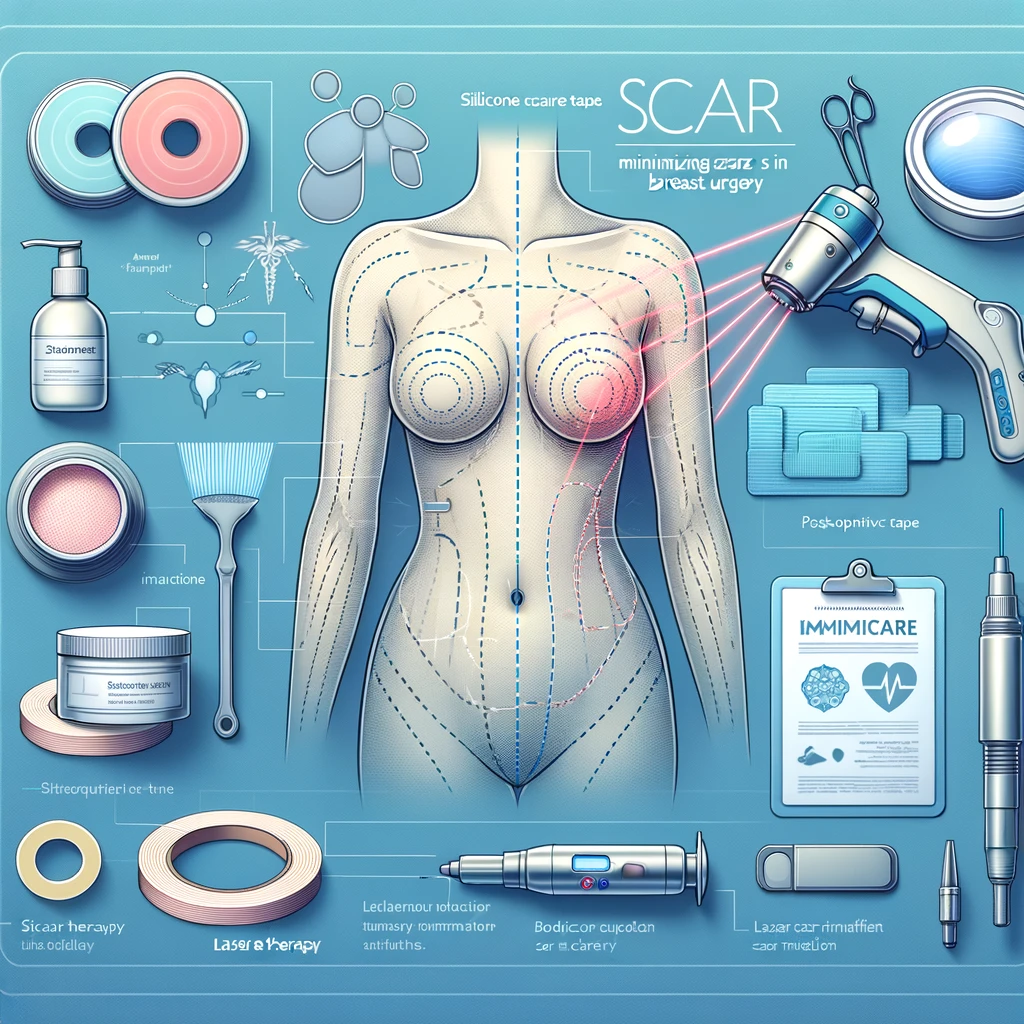
- Scar Care 🛡️: Keeping the area clean and protected, moisturizing the skin, and avoiding direct sun exposure are essential for good healing.
- Consult a Professional 👩⚕️: In case of doubts or concerns about the scar's evolution, consultation with a doctor is recommended.
The Healing Process and Purple Discoloration
The healing process is complex and involves several stages, which may be accompanied by changes in skin coloration around the affected area:
- Inflammatory Phase: Immediately after injury, the body initiates an inflammatory response to protect the area and begin the healing process. Thus, during this phase, it is common to observe redness, swelling, and, in some cases, a purple discoloration due to blood accumulation under the skin (hematoma).
- Proliferative Phase: After the inflammatory phase, the body begins to rebuild damaged tissue. New blood vessels are formed, which can contribute to the purple or red discoloration of the scar as blood flows to the area to provide the necessary nutrients for healing.
- Remodeling Phase: In this final phase, the scar matures and strengthens. Over time, the scar's color may change from purple or red to a lighter or darker shade than the surrounding skin, depending on various factors, including skin type, injury location, and scar care.
When Purple Discoloration Might Be a Cause for Concern
While a purple scar can be normal, there are certain conditions where changes in scar color may indicate a complication, such as infection or improper healing. Pay attention to the following signs:
- Persistence of Purple Discoloration: If the scar remains purple for a prolonged period without signs of lightening, it may be a sign that healing is not occurring as it should.
- Increased Pain, Warmth, or Redness: These can be signs of infection, especially if accompanied by fever or general malaise.
- Discharge or Unpleasant Odors: Any non-clear or foul-smelling drainage from the scar may indicate an infection.
Care and Prevention
To promote healthy healing and minimize complications, follow these tips:
- Keep the Area Clean and Protected: Proper cleaning and protection of the wound or scar can prevent infections.
- Hydration: Keeping the skin hydrated can help with scar flexibility.
- Avoid the Sun: Direct sun exposure can darken the scar, making it more visible.
- Consult a Professional: If you are concerned about the appearance or evolution of your scar, consult a doctor or a dermatologist.
In summary, a purple scar is generally a normal part of the healing process, but it is important to monitor the scar's evolution and seek medical attention if there are signs of complications. Careful observation and appropriate care are essential to ensure a healthy recovery and effective healing.
Related articles



Agendar consulta
Precisa de orientação personalizada?
Marque uma avaliação com o Dr. Fernando Amato e tire as suas dúvidas sobre cirurgia plástica.
Falar no WhatsApp