- Surgeries, Breasts
The Art of Scarring in Silicone Breast Implants: Strategies to Minimize Marks in Surgery
- March 28, 2024
- By Fernando Amato
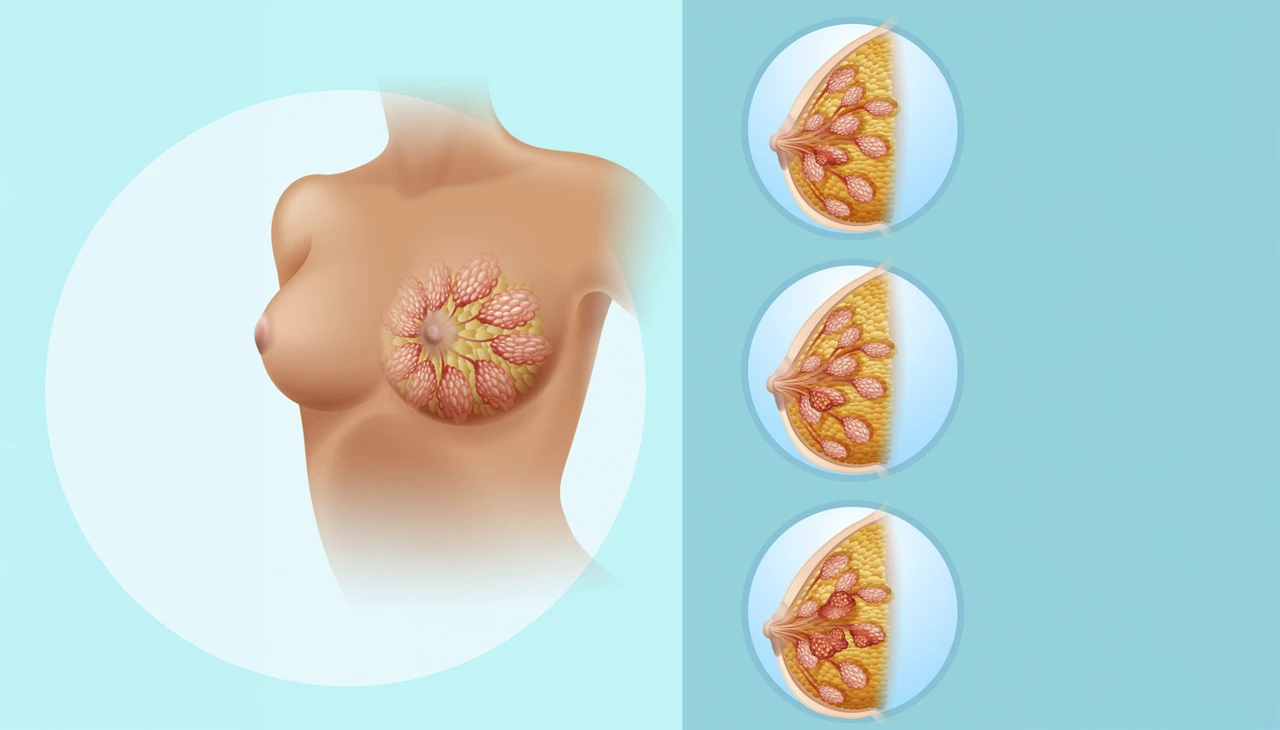
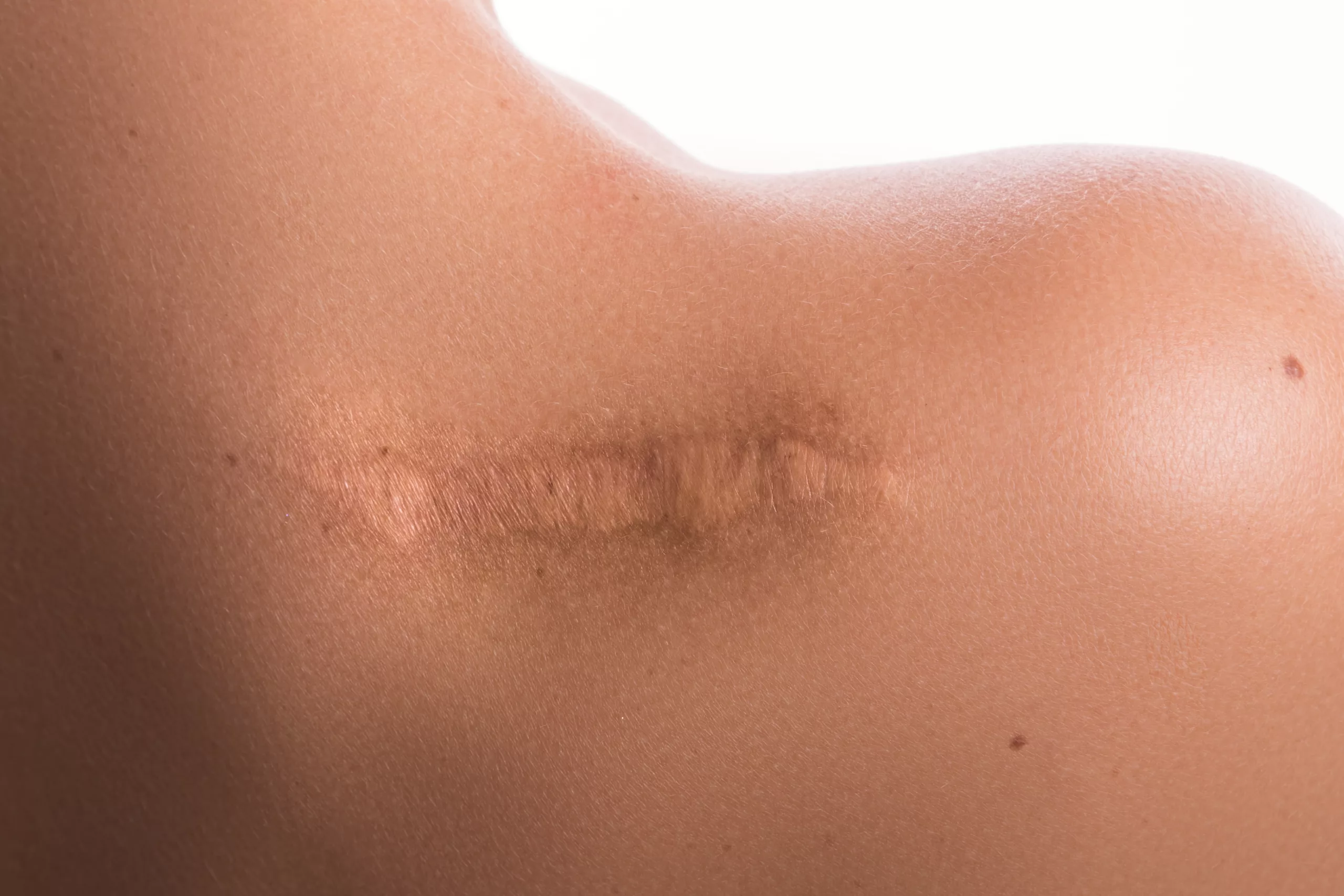
Scarring in silicone implants. The search for body harmony and satisfaction with one's own image leads many people to consider breast implant surgery. However, one of the most common concerns is related to the scars resulting from the procedure. Thus, in this article, we will explore the typical incision sites, the expected size of these scars, and the strategies used by surgeons to ensure they are as small, imperceptible, and aesthetically pleasing as possible.
- 🔍 Incision Sites: Inframammary fold, periareolar, transaxillary, and transumbilical.
- 📏 Scar Size: Varies according to technique and implant size.
- 💡 Minimization Strategies: Precise surgical technique and specific post-operative care.
- 🔬 Adjuvant Treatments: Laser and microneedling to improve scar appearance.
- 🤝 Personalized Choice: Importance of choosing the incision site based on individual anatomy.
Scar Location and Size
In silicone implant surgery, the surgeon can choose different incision sites, directly influencing scar visibility. The most common locations include:
- Inframammary Fold: An incision made in the natural fold under the breast. This is one of the most used techniques, as it allows good visibility and control during implant placement, resulting in a scar discreetly hidden under the breast.
- Periareolar: The surgeon makes the incision around the lower half of the areola. Thus, this can make the scar less noticeable due to the natural color transition in the region.
- Transaxillary: The surgeon performs the incision in the armpit. This technique leaves the scar away from the breast but can be more challenging for the surgeon to precisely position the implant.
- Transumbilical (TUBA): Although less common, this technique involves introducing the implant through an incision in the navel, eliminating scars in the breast area.
The size of the scar is directly related to the chosen incision technique, the size of the implant, and the patient's individual healing characteristics.
Strategies to Minimize Scars
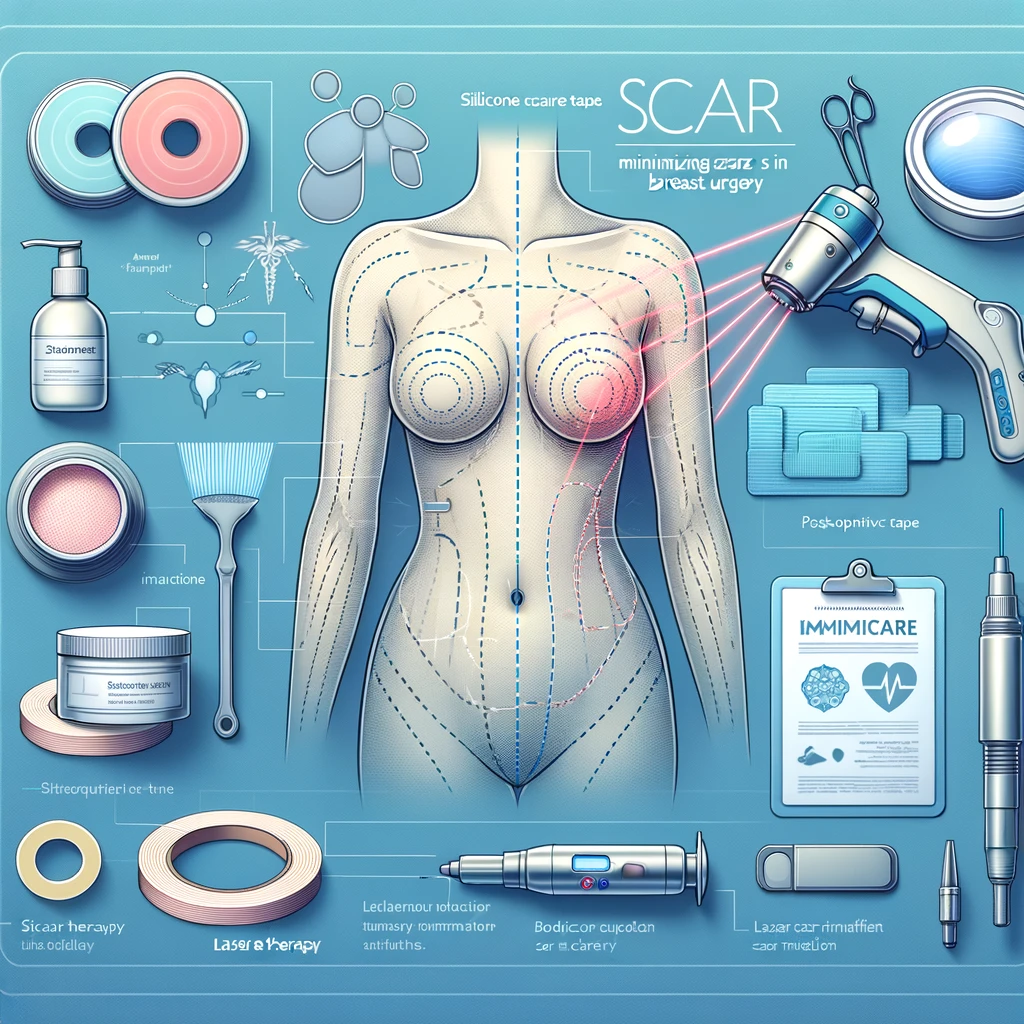
Plastic surgeons use various approaches to ensure that scars are as inconspicuous as possible:
- Precise Surgical Technique: Use of surgical techniques that minimize tissue trauma and promote more effective healing.
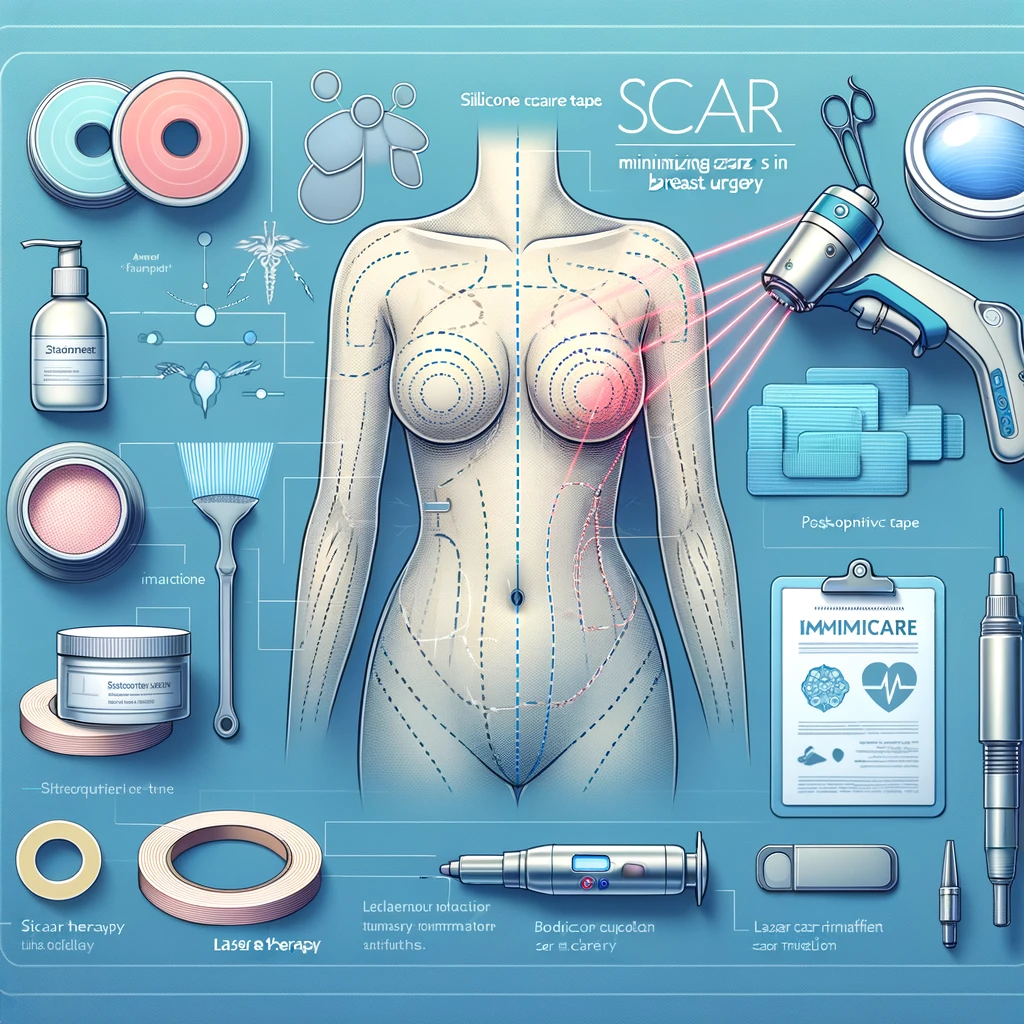
- Post-operative Care: Detailed instructions on post-operative care are fundamental. However, this includes the use of silicone tapes and specific creams that help in scar maturation.
- Adjuvant Treatments: Dermatologists may recommend laser therapies, microneedling, and topical treatments to improve the appearance of scars after initial healing.
- Choice of Incision Site: Selecting the most appropriate incision site for each patient, considering factors such as skin type, breast anatomy, and implant size.
- Attention to Skin Tension: Avoiding excessive skin tension during incision closure to promote a finer and less noticeable scar.
Questions and Answers:
- Which incision site leaves the smallest scar? A: The inframammary fold usually offers a discreet and easily concealable scar, but the best option varies by case.
- Is it possible to have no scars at all after silicone breast implant surgery? A: All surgeries leave scars, but current techniques aim to make them as imperceptible as possible.
- How long does it take for a scar to heal completely? A: The complete healing process can take from one year to a year and a half, varying from person to person.
- Can I do anything to improve the appearance of my scar after surgery? A: Without a doubt, following your surgeon's recommended post-operative care and considering adjuvant treatments can significantly improve the appearance of scars.
- Does implant size affect scar size? A: Yes, larger implants may require larger incisions, potentially resulting in larger scars.
- Are adjuvant treatments for scars always necessary? A: Not necessarily, but they may be recommended in specific cases to improve scar aesthetics.
- How to choose the best incision site? The surgeon and the patient should make the choice jointly, considering factors such as implant type, patient anatomy, and personal preferences.

Related articles


Agendar consulta
Precisa de orientação personalizada?
Marque uma avaliação com o Dr. Fernando Amato e tire as suas dúvidas sobre cirurgia plástica.
Falar no WhatsApp