- Plastic Surgery
Healthy Eating Post-Plastic Surgery
- May 6, 2026
- By Fernando Amato
Healthy eating after plastic surgery is not just about “eating better.” It contributes to recovery, helps maintain hydration, supports healing, reduces the risk of intestinal constipation, and helps the body cope better with surgical stress. Generally, the recovery phase calls for simple, nutritious meals with a good supply of protein, fluids, and foods that are minimally ultra-processed.
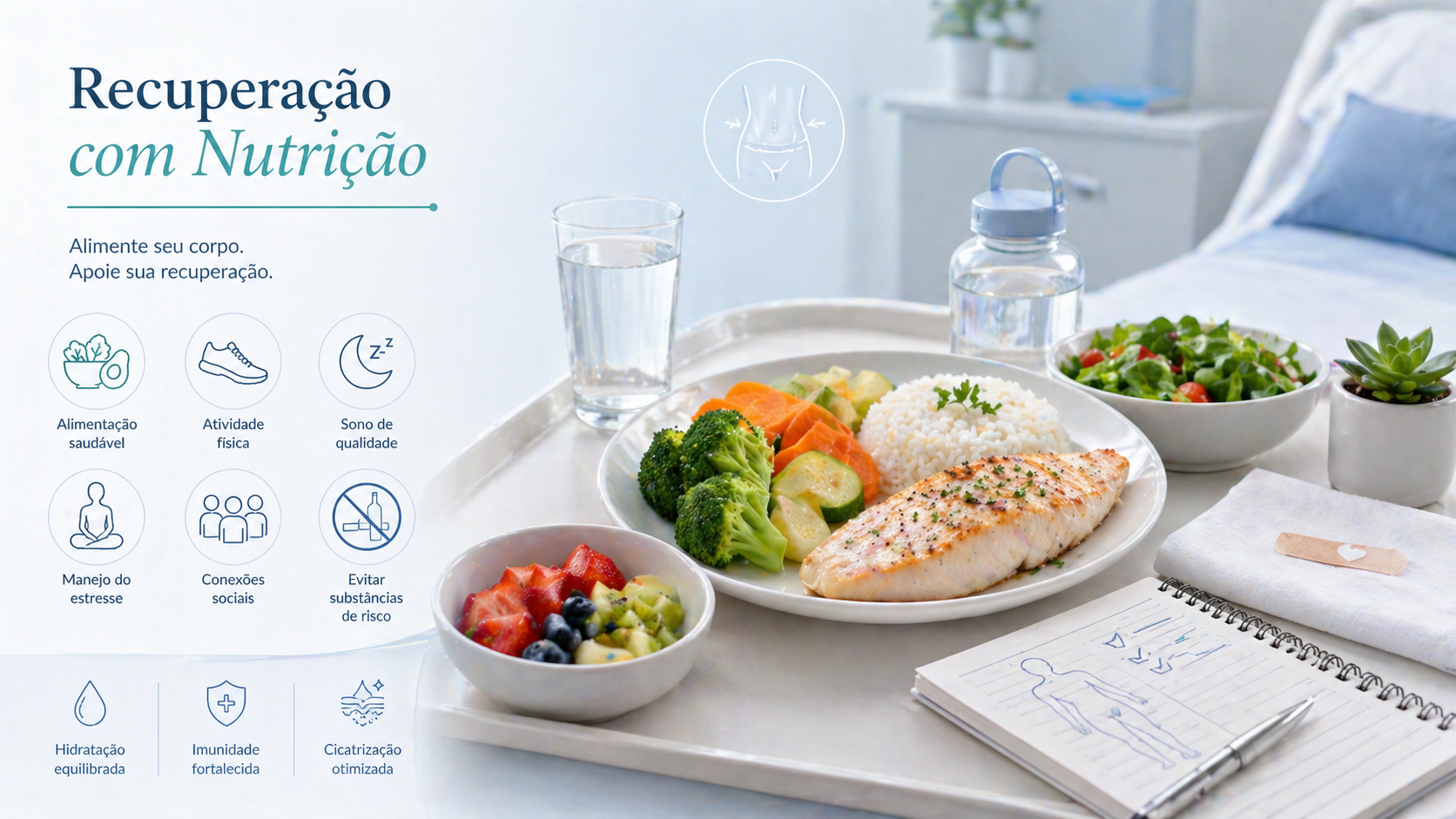
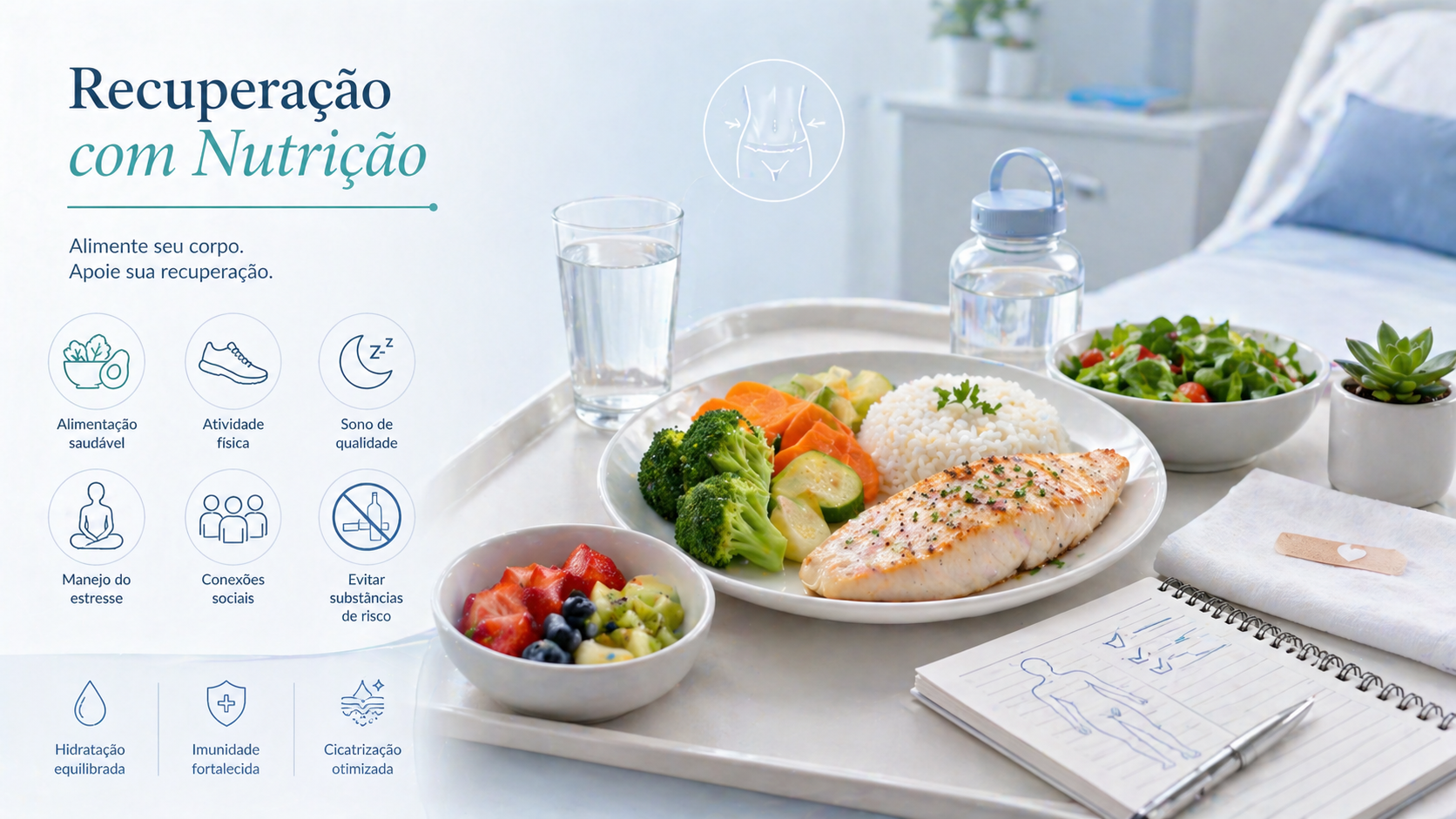
This care can be understood within lifestyle medicine. According to the American College of Lifestyle Medicine, it is a medical specialty based on interventions supported by lifestyle habits, with six pillars: nutrition, physical activity, sleep, stress management, social connections, and reduction of risky substances. In the postoperative period, this view is useful because surgical recovery does not only depend on dressings or medication: it also depends on what the person eats, drinks, sleeps, and avoids during this period.
Why Nutrition Matters So Much After Surgery
After plastic surgery, the body enters a phase of tissue repair. This increases the demand for energy, protein, fluids, and certain micronutrients. Institutional materials focused on wound healing highlight that protein, hydration, vitamin A, vitamin C, and zinc are involved in this process, and that insufficient intake can hinder skin repair and defense against infection.
In practice, this does not mean following restrictive diets or automatically resorting to supplements. For most patients, the best starting point is a varied, tolerable diet rich in whole foods. When there is nausea, poor appetite, or difficulty chewing, simple strategies can be used, such as breaking meals into smaller portions throughout the day and starting with light preparations, progressing as guided by the surgical team.
Healthy Eating Post-Plastic Surgery: What to Prioritize
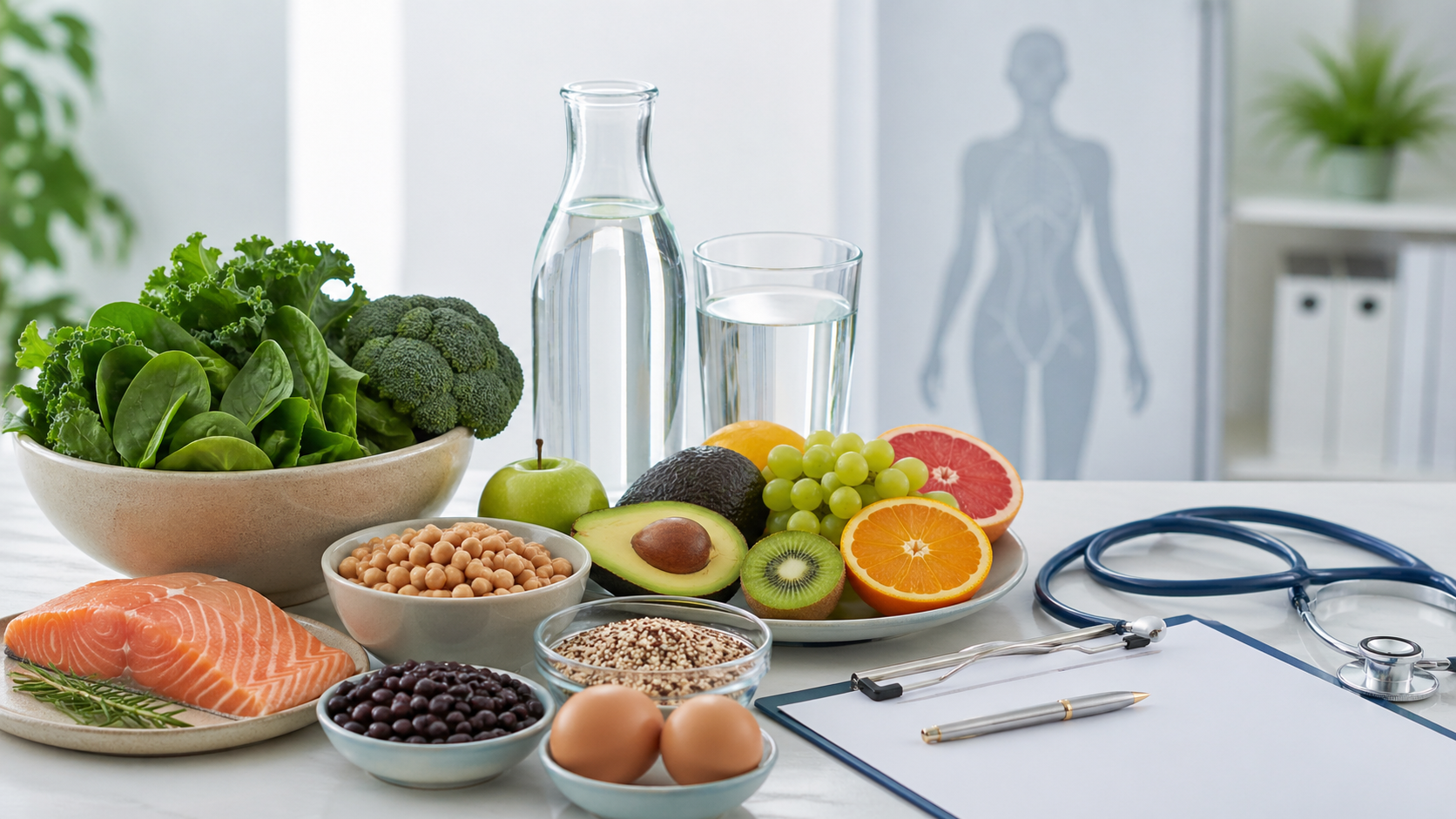
The most important aspect of healthy eating after plastic surgery is to organize meals around three pillars: protein, vegetables/fruits, and hydration.
Protein is a priority because it provides raw material for tissue repair. Good options include eggs, yogurt, milk, lean cheeses, chicken, fish, lean meats, beans, lentils, chickpeas, and tofu. In patients with reduced appetite, it is better to eat small portions of protein several times a day than to concentrate everything in one large meal.
Fruits, legumes, and vegetables help compose a diet with vitamins, minerals, water, and fiber. The general recommendation to consume at least 400g per day, equivalent to about 5 servings, is advocated by the WHO as part of a healthy diet. In the postoperative context, this is useful not only for nutritional quality but also because it can help the bowels function better, provided the diet progresses in a way compatible with individual tolerance.
Higher quality carbohydrates, such as rice, oats, potatoes, cassava, fruits, and whole grains, also play an important role. They provide energy for the body to recover. Severely cutting carbohydrates immediately after surgery, without individual indication, is usually a poor strategy, especially if it reduces overall calorie and protein intake. This phase is for recovery, not a radical weight-loss diet.
Good quality fats can be included in moderate amounts, such as olive oil, avocado, nuts, and seeds, as long as they do not impair digestive tolerance. The focus should remain on simple, behaviorally less inflammatory meals, with a low presence of ultra-processed foods. The WHO itself recommends limiting highly processed foods, rich in free sugars, saturated fats, and sodium.
Examples of Practical Meals
Some combinations tend to work well in the postoperative period, respecting each person's tolerance:
- Breakfast with natural yogurt, oats, and fruit
- Omelet with white cheese and a fruit
- Lunch with rice, beans, chicken or fish, and cooked vegetables
- Soup with vegetables and a protein source, like shredded chicken or lentils
- Snack with milk or yogurt smoothie with fruit
- Light dinner, with puree, soft protein, and cooked vegetables
When appetite is low, it's worth opting for smaller, more frequent meals, and easily chewable preparations. Soups, purees, yogurts, eggs, soft fruits, and homemade smoothies can help with this transition.
Hydration: As Important as Food
Water is part of nutritional care. Surgical recovery is usually worse when a person eats little and also drinks little. Hospital and healing materials reinforce the importance of maintaining adequate fluid intake, adjusted to the team's guidelines, especially if medications are used, constipation, excessive heat, or low food intake. Very dark urine, dizziness, and dry mouth can suggest low hydration.
Here, one of the points from the text you sent fits well: in lifestyle medicine, hydration and reduction of risky substances are part of overall care. In the postoperative period, this gains practical relevance. Instead of soft drinks, alcohol, or energy drinks, it generally makes more sense to prioritize water, coconut water when cleared, broths, and other simple options, according to tolerance and medical guidance.
How to Avoid Constipation in the Postoperative Period
Constipation is common after surgery, especially with reduced mobility, low fluid intake, and the use of opioids for pain. Management typically involves adequate hydration, gradual resumption of diet, guided mobilization, and, in some cases, laxatives prescribed by the team.
From a dietary perspective, fiber helps, but needs to be introduced with common sense. If the person is eating very little or drinking little water, suddenly increasing fiber can worsen discomfort. Generally, it's best to start with fruits, cooked vegetables, oats, and beans as tolerated, without forcing it. If there is significant abdominal distension, vomiting, inability to have a bowel movement, or unexpected pain, it is correct to speak with the surgeon.
What to Reduce or Avoid
This is not a good time for excessive alcohol, ultra-processed foods, fried foods, large amounts of sugar, or any highly disorganized eating pattern. Alcohol can interfere with recovery, increase the risk of adverse effects with medications, and hinder healing and immune response. Furthermore, some services recommend avoiding alcohol for at least the first 24 hours after general anesthesia, and longer if medications are in use or if there is specific guidance from the surgeon.
It is also important to avoid tobacco and nicotine. In plastic surgery, smoking is associated with poorer healing and increased complications, including tissue damage. This point should be emphasized both pre- and post-operatively. To delve deeper into this topic, it is worth reading about the risks of smoking.
What Lifestyle Medicine Adds to This Topic
Nutrition is the main focus of the article, but it works best when combined with other habits. Lifestyle medicine proposes six pillars, and all can interact with surgical recovery.
Adequate sleep helps the body recover. In the postoperative period, poor nights can occur, but the goal should be to protect rest, reduce unnecessary stimuli, and follow the team's guidance for pain control. Insufficient sleep tends to worsen well-being, disposition, and adherence to recovery.
Physical activity does not mean returning to exercise too soon. It means respecting the right time for progressive and safe mobilization. Hospital guidelines show that getting up, walking, and gradually returning to eating and drinking are part of enhanced recovery protocols, always as medically cleared.
Stress management and social support also count. Those who organize help at home, maintain a minimally predictable routine, and have a support network tend to cope better with the initial recovery phase. This does not replace medical follow-up, but it makes adherence more viable in daily life.
When Individual Assessment is Indispensable
Although there are general principles, dietary management can change depending on the type of surgery, presence of nausea, diabetes, kidney disease, intestinal history, medication use, and complications. Patients undergoing liposuction or abdominoplasty may have common guidelines, but individualization remains essential. For those with dietary restrictions, involuntary weight loss, or persistent low intake, an evaluation with a nutritionist or attending physician may be necessary.
It's also worth remembering that "eating healthy" is not synonymous with self-supplementation. Vitamins, teas, natural compounds, and industrialized formulas may seem harmless, but they are not always suitable for everyone. The best approach is to align any use with the responsible team. For more context on nutrition and surgery, there is also related content on diet.
Conclusion
Healthy eating after plastic surgery should be realistic, sufficient, and well-tolerated. Instead of seeking "miracle foods," the most useful approach is to ensure good distribution of protein, fruits and vegetables, adequate fluids, and reduction of ultra-processed foods, alcohol, and nicotine. When this care is combined with sleep, guided mobilization, stress management, and social support, the postoperative period tends to be more organized and biologically favorable for recovery.
FAQ
Which foods help most with healing?
The most important groups are proteins, fruits, legumes, vegetables, and fluids. The goal is to provide the body with energy and nutrients to repair tissues, maintain immunity, and reduce the impact of low food intake.
Do I need to take supplements after plastic surgery?
Not always. Many patients can adequately meet their needs with proper nutrition. Supplements may be useful in selected cases, such as poor appetite, dietary restrictions, or nutritional risk, but should be individualized.
Can I go on a weight-loss diet immediately after surgery?
Generally, this is not the best time for very restrictive diets. The postoperative period is a phase of tissue recovery, and cutting too many calories or proteins can hinder this process. The initial focus is typically on quality recovery.
Is it normal to lose appetite in the first few days?
Yes, this can happen due to the effects of anesthesia, pain, medications, and changes in routine. When it occurs, it usually helps to fractionate meals, use light preparations, and prioritize protein and hydration until appetite improves.
Does water really make a difference in recovery?
Yes, and quite a lot. Adequate hydration helps the body function better, aids the intestines, and facilitates overall recovery. The ideal amount varies for each case, so the team's guidance should prevail.
Can I drink alcohol if I feel fine?
It is not prudent to decide this based solely on feeling well. Alcohol can interact with medications, worsen dehydration, and hinder recovery. The safest approach is to follow your surgeon's recommendation on the correct time to resume.
Does fiber always help with constipation?
It helps in many cases, but not in all circumstances. If you are eating and drinking little, overdoing fiber can worsen gas and discomfort. The ideal is to introduce it gradually, along with good hydration and guided mobilization.
Recommended video: Secrets of Lipo HD: essential medical guidelines in the postoperative period | Dr. Fernando Amato — https://www.youtube.com/watch?v=DNr3jhaPQQs

Related articles
Nutrition before and after plastic surgery
Healthy eating post-plastic surgery
Agendar consulta
Precisa de orientação personalizada?
Marque uma avaliação com o Dr. Fernando Amato e tire as suas dúvidas sobre cirurgia plástica.
Falar no WhatsApp