- Surgeries, Breasts
Return to Normal Activities in 24 Hours After Breast Augmentation: Myth or Reality?
- May 26, 2024
- By Fernando Amato
The Truth About Rapid Recovery Post-Breast Augmentation with SILICONE IMPLANTS
Rapid recovery post-breast augmentation with implants
When we talk about plastic surgeries, especially breast augmentation with silicone implants, one of the biggest concerns for patients is rapid recovery post-breast augmentation with implants. Thus, the idea of being able to return to normal activities in just 24 hours seems too good to be true. But, with advancements in surgical techniques and pre-operative preparation, this is increasingly becoming a reality.
Keywords: Return to normal activities in 24 hours after breast augmentation is possible.
Introduction
Breast augmentation with silicone implants is one of the most popular aesthetic procedures, but rapid recovery post-breast augmentation with implants has always been a critical point for many patients. Historically, the recovery time, however, could vary from a few days to several weeks, depending on the technique used and the individual body's response. However, recent studies have shown that, with the correct approach, it is possible to return to most normal activities in just 24 hours after surgery.
Five Critical Decisions for Successful BREAST AUGMENTATION
1. Amount of tissue for implant coverage / Implant location in relation to the pectoral muscle
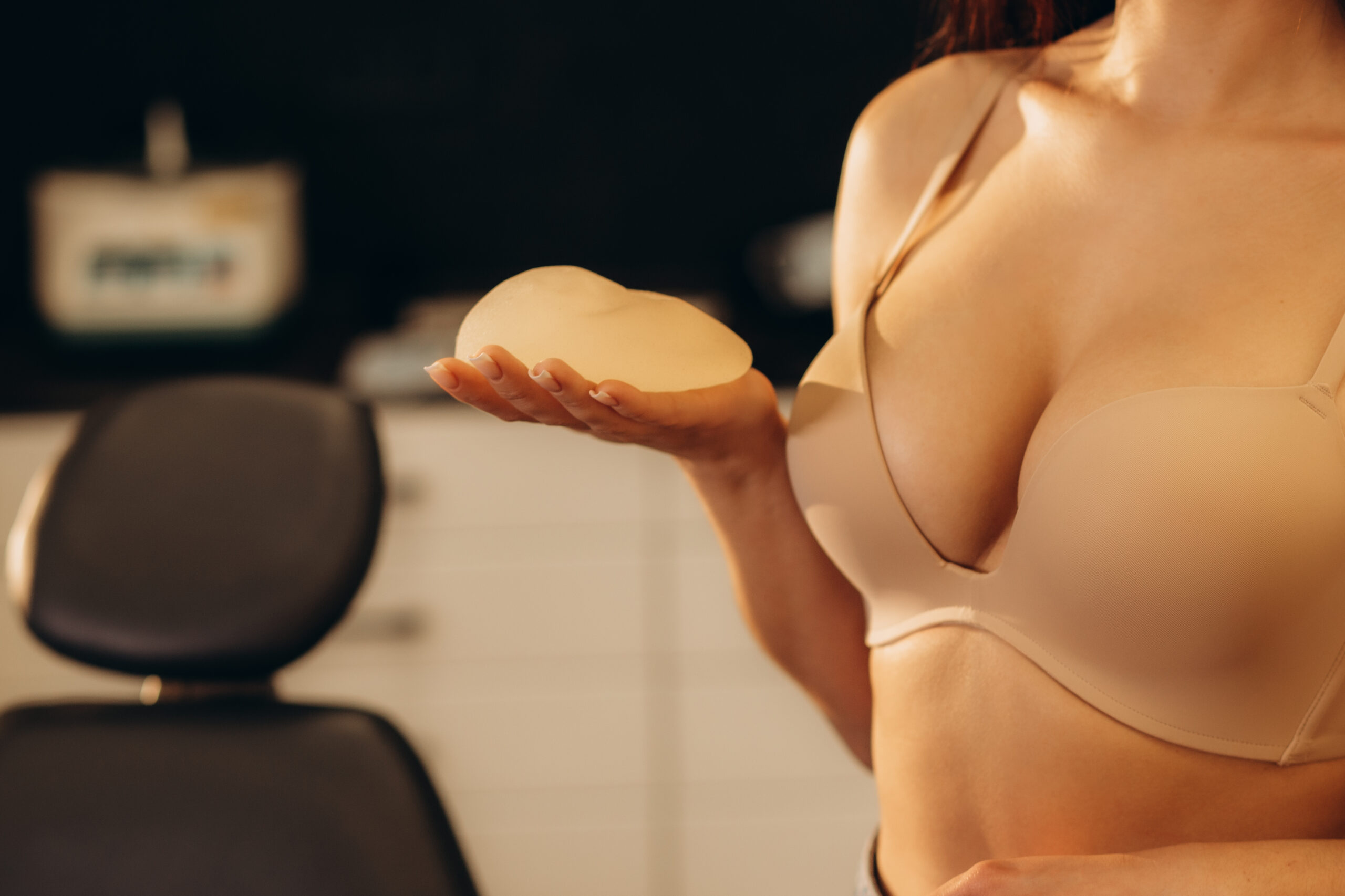
The correct choice of implant plane location, however, is essential to minimize the risk of visible rippling and excessive tissue stretching. Adequate implant coverage ensures better long-term aesthetics and fewer complications.
2. Implant Volume (how many ml?)
Determining the correct implant volume therefore, avoids future problems such as excessive stretching and thinning of tissues. Thus, overly large implants can cause ptosis (breast sagging) and atrophy of breast tissue over time.
3. Implant Type, Size, and Dimensions
The selection, therefore, of the implant type and size must consider the patient's tissue characteristics. This helps, therefore, to ensure an adequate filling distribution and a natural aesthetic result.
4. Optimal Inframammary Fold Location
Correct positioning in the inframammary fold is crucial for the symmetry and aesthetics of the final result. The ideal distance between the nipple and the fold must be carefully calculated.
5. Incision Location
The choice of incision directly influences tissue trauma, bacterial exposure, and the surgeon's control during the operation. Well-planned incisions minimize complications and improve recovery.
The High Five Process: Measurements in 5 Minutes
The High Five method, developed by Drs. John B. Tebbetts and William P. Adams, proposes a decision process based on five critical measurements that can be performed in less than five minutes:
- Superior Pole Tissue Pinch Test Thickness (STPTUP)
- Inframammary Fold Tissue Pinch Test Thickness (STPTIMF)
- Breast Base Width (BW)
- Anterior Traction Skin Stretch (APSS)
- Nipple to Inframammary Fold Distance Under Maximum Stretch (N)
This method, therefore, allows for a rapid and accurate assessment of the patient's tissue characteristics, helping to choose the most appropriate implant and technique for each case.
Patient Preparation and Pre-Operative Planning
Patient Education
Educating the patient in detail about the procedure, available options, and what to expect in the post-operative period is fundamental. Therefore, clear information and informed consent help to increase confidence and mental preparation for surgery.
Pre-Operative Planning
Planning, however, includes choosing the implant type and size based on the patient's specific measurements, eliminating the need for adjustments during surgery. This then reduces operative time and tissue trauma, facilitating faster recovery.
Refined Surgical Techniques
Thus, to achieve a rapid return to normal activities, surgical techniques have been refined to minimize trauma and bleeding. Some of the most important aspects include:
- Prospective Hemostasis: A technique that prevents bleeding before it occurs, reducing the need for post-dissection coagulation.
- Direct Visualization Dissection: Eliminates the use of blind or blunt dissection, allowing for greater precision and less trauma.
- Optimized Instrumentation: Tools and techniques are refined to reduce operative time and improve efficiency.
Study Results
The study, however, showed that by applying these techniques and processes, 96% of patients were able to return to their normal activities in 24 hours. Therefore, this included raising arms above the head, lifting objects of normal weight, and driving.
Conclusion
The possibility of a rapid return to normal activities after breast augmentation is an achievable reality with adequate patient education, detailed pre-operative planning, and the application of refined surgical techniques. This not only improves the patient experience but also reduces complications and reoperation rates.
Frequently Asked Questions
1. Is it safe to return to normal activities in 24 hours after breast augmentation? Yes, with the correct techniques and adequate planning, most patients can return to most normal activities in 24 hours.
2. What are the main risks associated with breast augmentation? The main risks include infection, implant displacement, capsular contracture, and reoperations.
3. How is the implant size chosen? The choice is based on the individual characteristics of the patient's tissue and specific measurements taken pre-operatively.
4. Does the choice of incision affect recovery? Yes, the choice of incision can significantly influence the degree of tissue trauma and the ease of recovery.
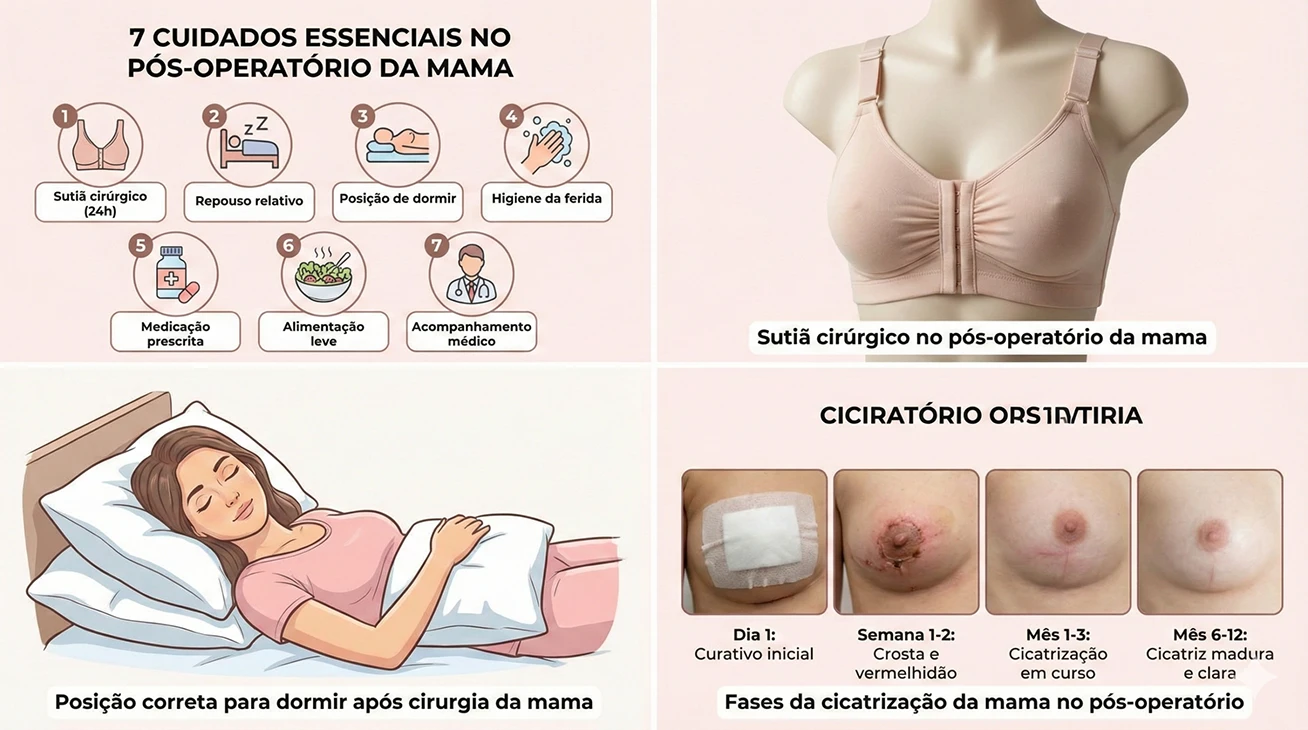
5. Do I need to wear a special bra after surgery? Not necessarily. Bra usage depends on personal comfort and the surgeon's recommendations.
6. How long does breast augmentation surgery last? With refined techniques, surgery can be completed in less than an hour.
7. Can I choose the type of implant I want? Yes, the type of implant is chosen based on the patient's preferences and the surgeon's recommendations.
8. What precautions should I take in the immediate post-operative period? Following your surgeon's instructions, avoiding strenuous activities, and maintaining good hygiene are essential.
9. When can I return to physical exercise? Light activities can be resumed in 24 hours, but intense exercises should be avoided for a few weeks.
10. Does the technique used influence the final appearance of the breasts? Yes, the technique and implant placement can significantly influence the final aesthetics of the breasts.
#BreastAugmentation #RapidRecovery #PlasticSurgery #24hRecovery
Related articles


Agendar consulta
Precisa de orientação personalizada?
Marque uma avaliação com o Dr. Fernando Amato e tire as suas dúvidas sobre cirurgia plástica.
Falar no WhatsApp