- Plastic Surgery
Fat Cells, ADIPOCYTES
- June 25, 2024
- By Fernando Amato
What are adipocytes and why are they important for health
What are adipocytes? They are highly specialized cells responsible for storing fat in the form of triglycerides. Their role, however, goes far beyond simply depositing lipids. Adipose tissue — formed mainly by these cells — plays a central role in regulating metabolism and maintaining the body's energy homeostasis.
What are adipocytes is an increasingly relevant question in modern medicine. These cells produce bioactive substances that influence the body systemically. Thus, when dysfunctional, adipocytes contribute to the onset of obesity, type 2 diabetes, cardiovascular diseases, and other severe metabolic conditions.
Understanding the functions and characteristics of these cells, as well as strategies for evaluating and treating adipose tissue, is essential for the effective clinical management of various diseases. The following sections address the main evaluation methods, biological markers, and currently available therapies.
Characterization of adipose tissue
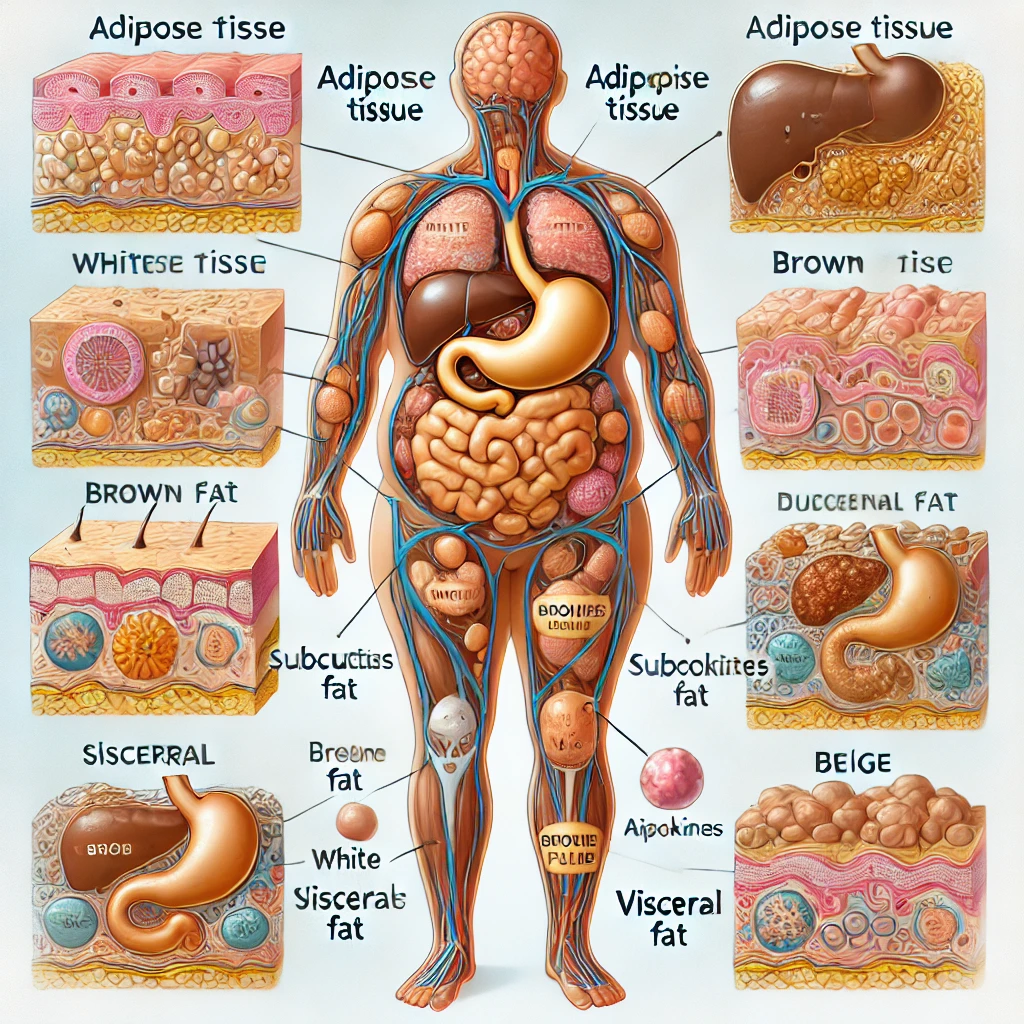
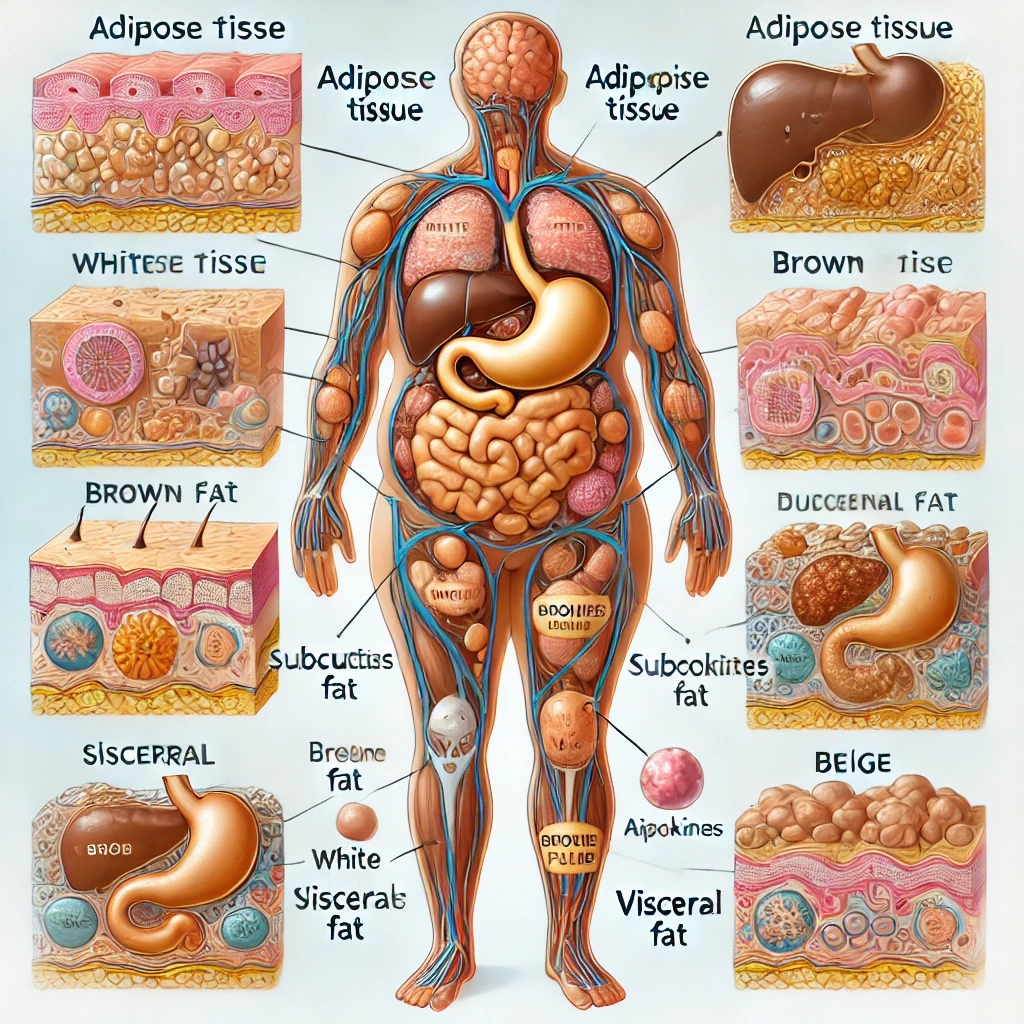
Adipose tissue is not uniform. It is divided into different types, each with a specific function and distribution in the body.
White adipocytes are the most abundant and are primarily responsible for energy storage. Brown adipocytes and the so-called beige adipocytes have a greater thermogenic capacity — that is, they actively generate heat and dissipate energy.
This plasticity of adipose tissue represents one of the most promising areas of current metabolic research. The conversion of white adipocytes into beige adipocytes, for example, opens the way for new therapeutic strategies in the fight against obesity and metabolic syndrome.
It is worth noting that visceral adipose tissue — located around internal organs — is more associated with cardiometabolic risk than subcutaneous tissue. This distinction is therefore determinant for both clinical evaluation and the choice of the best therapeutic approaches.
Evaluation of adipose tissue in clinical practice
The correct evaluation of adipose tissue thus provides essential data on the patient's metabolic state. Three methods stand out in this analysis:
Magnetic Resonance Imaging (MRI)
Magnetic resonance imaging, however, offers detailed visualization of different adipose regions of the body. With it, the physician can identify specific fat deposits and their correlations with metabolic conditions. Visceral fat, in particular, can be precisely quantified by this method.
DEXA (Dual-energy X-ray absorptiometry)
DEXA provides a precise measurement of body composition, distinguishing adipose mass, lean mass, and bone density. It is, therefore, one of the most complete and reliable methods for evaluating fat distribution in the body.
Bioimpedance
Bioimpedance is a non-invasive and easy-to-apply method. It estimates the percentage of body fat through the electrical resistance of tissues. Its practicality and accessibility make this method widely used in clinics and clinical research.
Each method has specific indications and limitations. Therefore, the specialist determines the most appropriate approach based on the clinical objective and the individual profile of each patient.
Biological markers of adipose tissue
Adipocytes secrete various bioactive substances called adipokines. These molecules regulate metabolic and inflammatory processes throughout the body. The main adipokines studied in clinical practice are:
Leptin
Leptin is a hormone produced mainly by white adipose tissue. It regulates appetite and energy metabolism, signaling satiety to the brain. In many obese patients, leptin resistance impairs this control mechanism, favoring progressive weight gain.
Adiponectin
Adiponectin exerts anti-inflammatory effects and improves insulin sensitivity. Obese patients often have reduced levels of this adipokine — which increases the risk of insulin resistance and cardiovascular diseases.
Resistin
Resistin is associated with insulin resistance and inflammatory processes. Its exact role in obesity and diabetes is still a subject of scientific debate, but elevated levels usually indicate a worsening metabolic profile.
Regular monitoring of these adipokines aids in the early diagnosis of metabolic dysfunctions and guides more precise therapeutic decisions.
Therapies for adipose tissue
Bariatric surgery
Bariatric surgery represents one of the most effective interventions for significant weight loss and control of comorbidities associated with obesity. Studies show that adipose tissue remodeling after surgery includes a reduction in hypertrophied adipocytes and a significant improvement in metabolic function.
The two most commonly performed procedures are:
- Gastric bypass: reduces stomach volume and alters the intestinal tract, promoting early satiety and less caloric absorption.
- Vertical gastrectomy (sleeve): removes part of the stomach, restricting food intake and altering appetite-related hormones.
In addition to weight loss, bariatric surgery improves insulin sensitivity, reduces inflammatory markers, and positively alters adipokine secretion. Its metabolic effects go far beyond the aesthetic result.
Pharmacological treatments
Anti-obesity medications act directly and indirectly on adipose tissue, aiding in the reduction of adipose mass and improvement of the metabolic profile. The main therapeutic classes are:
- Appetite suppressants: act on the central nervous system to reduce caloric intake.
- Metabolism accelerators: increase the basal metabolic rate and promote fat burning.
- Adipokine modulators: represent emerging therapies that aim to alter adipokine levels to improve metabolic function.
The choice of medication always depends on the individual clinical profile and must occur under strict medical supervision.
Primary diseases of adipose tissue
Lipodystrophies
Lipodystrophies are rare diseases characterized by partial or total loss of adipose tissue. This loss results in a severe metabolic phenotype, with complications affecting multiple body systems.
There are two main types:
- Generalized lipodystrophy: characterized by the almost total loss of subcutaneous adipose tissue, leading to severe metabolic complications, such as hypertriglyceridemia and difficult-to-control diabetes.
- Partial lipodystrophy: involves the loss of fat in specific areas of the body, with preservation of other regions, resulting in anomalous adipose distribution.
Leptin replacement therapy
Patients with lipodystrophy often have leptin deficiency — an adipokine essential for metabolic regulation. Leptin replacement therapy significantly improves the metabolic parameters of these patients.
Documented benefits include improved insulin sensitivity and reduced hepatic steatosis. This approach represents a relevant advance in the management of lipodystrophies and reinforces the central role of adipokines in metabolic health.
Conclusion
Proper evaluation and treatment of adipose tissue are fundamental for the management of various metabolic conditions. With the advancement of imaging technologies and an increasingly profound understanding of biological markers, more precise diagnoses become possible — and progressively more effective therapies can be developed.
What are adipocytes, therefore, ceases to be just a basic biological question to become a central topic in the contemporary approach to metabolic health. Taking care of adipose tissue means taking care of metabolism as a whole.
If you have questions or concerns about the health of your adipose tissue, schedule a consultation with Dr. Fernando Amato, a specialist in plastic surgery and treatment of metabolic conditions.
Questions and answers about adipocytes and adipose tissue
What are adipocytes? Adipocytes are cells specialized in storing fat. They play a central role in energy metabolism and hormonal regulation.
How does magnetic resonance imaging evaluate adipose tissue? MRI produces detailed images of different adipose regions, allowing specific deposits and their relationships with metabolic conditions to be identified.
What are adipokines? Adipokines are bioactive substances secreted by adipocytes. They influence metabolic and inflammatory processes throughout the body.
What are the main types of bariatric surgery? The main types are gastric bypass and vertical gastrectomy. Both are effective in weight loss and adipose tissue remodeling.
How does bariatric surgery affect adipose tissue? Bariatric surgery reduces the size of adipocytes and improves metabolic function, resulting in better health parameters.
What are the effects of anti-obesity medications on adipose tissue? These medications reduce adipose mass and improve the metabolic profile, aiding in obesity control.
What are lipodystrophies? Lipodystrophies are rare conditions characterized by the loss of adipose tissue. They can be generalized or partial.
How does leptin replacement therapy help patients with lipodystrophy? Leptin replacement improves insulin sensitivity and reduces metabolic complications, such as hepatic steatosis.
What is the importance of adiponectin in metabolic health? Adiponectin has anti-inflammatory effects and improves insulin sensitivity. Its levels are often reduced in cases of obesity.
When to seek a specialist in adipose tissue? In cases of obesity, diabetes, or suspected lipodystrophy, seeking a specialist for proper evaluation and treatment is the most recommended course of action.
#Adipocytes #Obesity #AdiposeTissue #Lipodystrophy
Related articles


Agendar consulta
Precisa de orientação personalizada?
Marque uma avaliação com o Dr. Fernando Amato e tire as suas dúvidas sobre cirurgia plástica.
Falar no WhatsApp