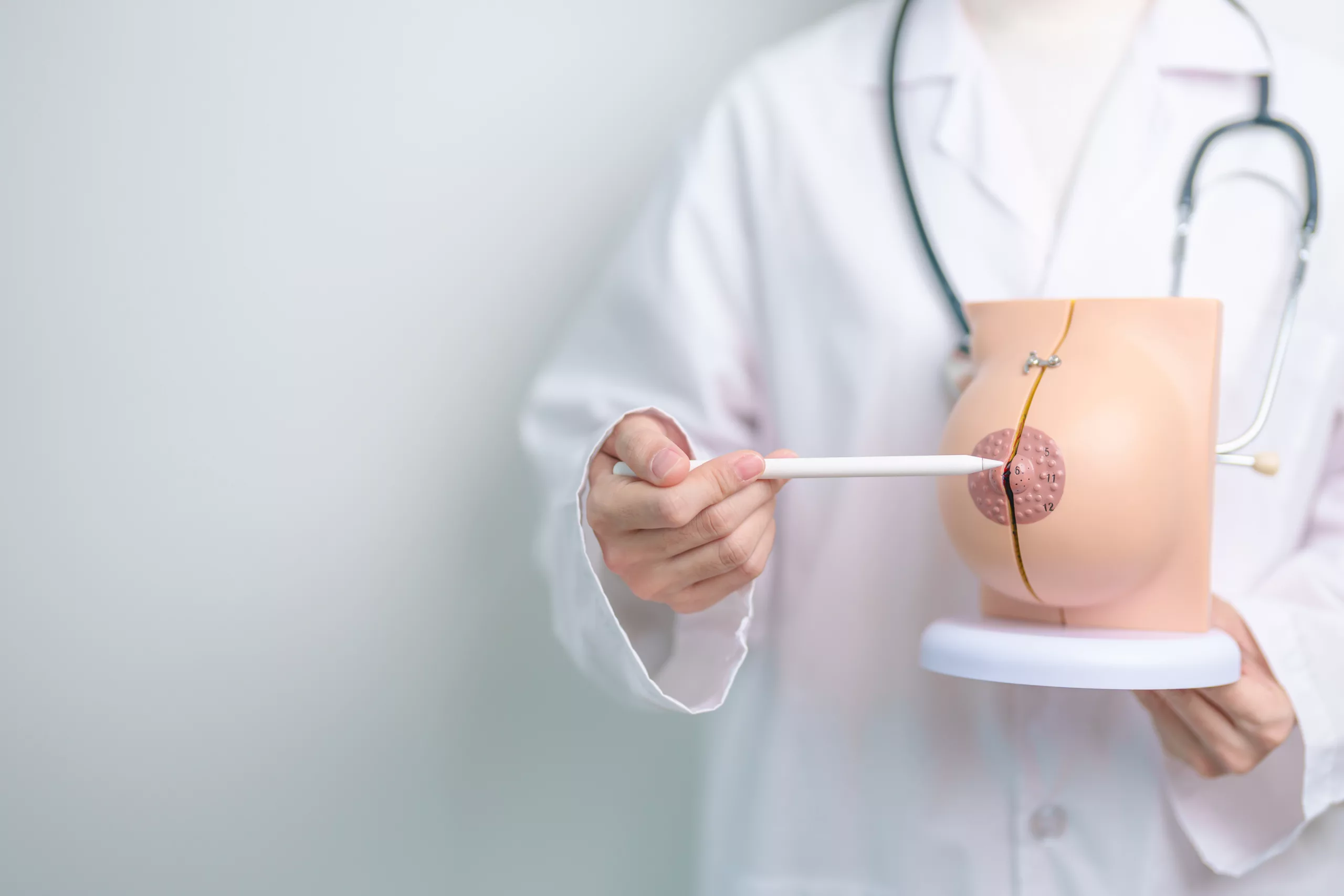
Silicone implants are not always successful. This is because it doesn't only depend on a well-performed surgery, but on how the body will react to the breast implant, considered a foreign body by the organism, which can experience reactions, including from the immune system.
I explain below when it is necessary to remove breast implants. In addition to capsular contracture, which is more commonly known, silicone implants can cause autoimmune diseases and even lymphoma.
What are the signs that the body is not accepting the breast implant?
The symptoms can vary greatly for each individual; some pathologies are directly related to the prosthesis and can cause pain, increased volume, and local hardening, but in the case of systemic diseases, they can be very generic, such as: fatigue, cognitive dysfunction (memory loss), muscle pain, joint pain, hair loss, dry skin, recurrent infections, gastrointestinal and digestive problems, skin rashes, anxiety, and hormonal changes.
Is it true that a reaction to the implant can cause autoimmune diseases?
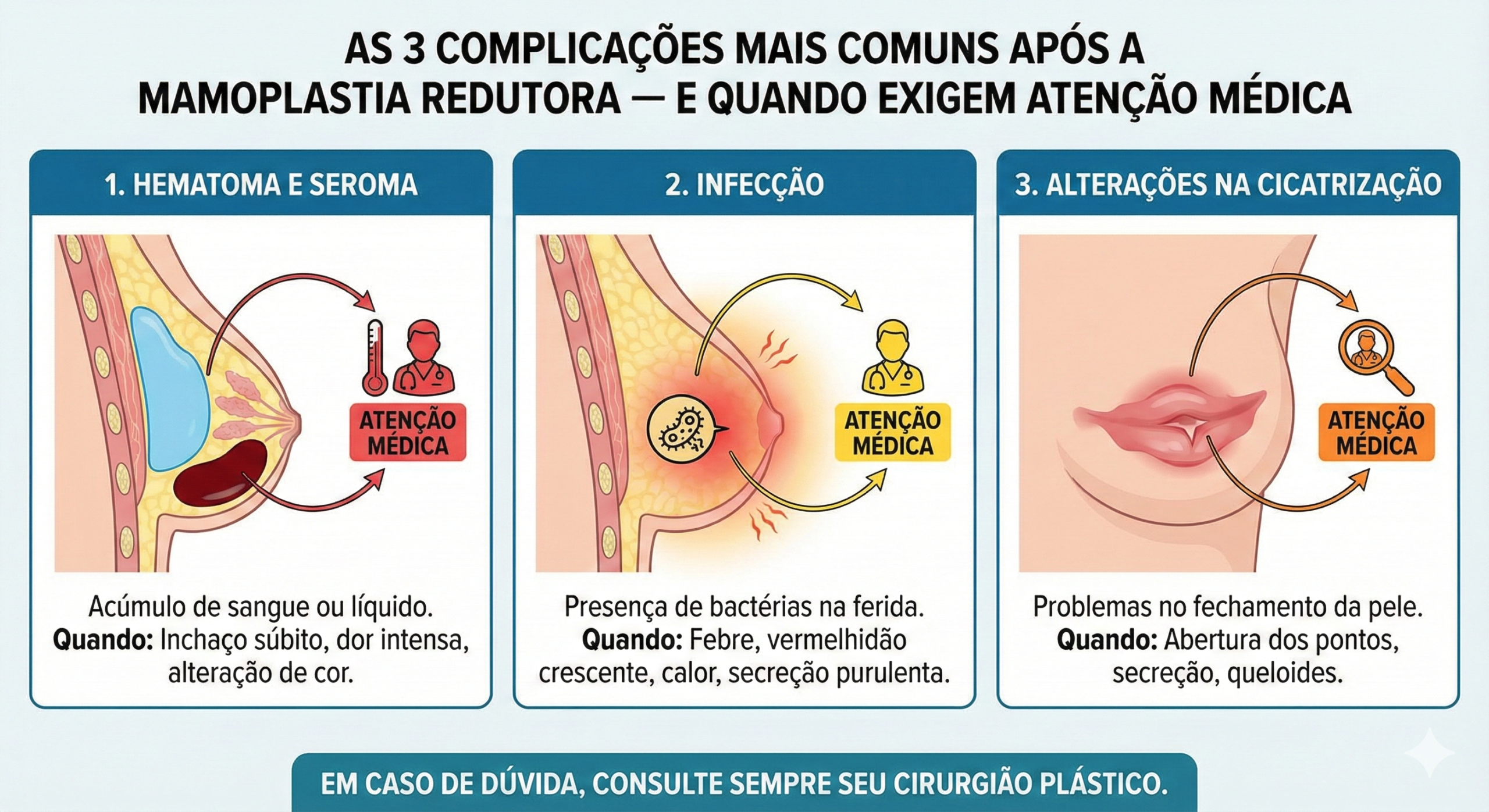
It is rare, but it can happen. In the same way that breast implants induce the formation of a capsule, which is a normal reaction to a foreign material in the body, and expected. This stimulus can be more intense; in the breast, the capsule can become hardened, painful, increase in size, and even form a seroma collection.
This stimulus can also be systemic, causing an imbalance in the immune system, acting as a trigger for the development of autoimmune diseases such as ASIA Syndrome (Auto-inflammatory Syndrome Induced by Adjuvants), which includes symptoms like myalgia, arthritis, chronic fatigue, and sleep disorders.
Although extremely rare, breast implants can also cause Anaplastic Large Cell Lymphoma (ALCL).
What is the first step when it is identified that the body is reacting to the implant?
In these cases, the usual procedure is the removal of the silicone implant with the capsule, but a thorough investigation by a specialist is important. Furthermore, the material removed during surgery should be sent for histopathological analysis for diagnostic definition.
*Dr. Fernando Amato is a plastic surgeon, a full member of the Brazilian Society of Plastic Surgery, a member of the International Society of Aesthetic Plastic Surgery (ISAPS), and the American Society of Plastic Surgeons (ASPS).
Especialidade
Saiba mais sobre os procedimentos relacionados.
Agendar consulta
Precisa de orientação personalizada?
Marque uma avaliação com o Dr. Fernando Amato e tire as suas dúvidas sobre cirurgia plástica.
Falar no WhatsApp