- Entrevistas, News
27/07/21 Viva Bem – UOL
- julho 5, 2021
- By Fernando Amato
Entrevisata publicada em 27/6/21 no site: https://www.uol.com.br/vivabem/noticias/redacao/2021/06/27/gordura-localizada-no-quadril-e-nas-coxas-pode-ser-sintoma-de-lipedema.htm
Por causar gordura localizada e flacidez, o lipedema é comumente encarado como obesidade ou sobrepeso. Mas estamos falando de condições diferentes.
O lipedema é uma doença vascular crônica muito mais comum em mulheres, que tende a surgir na puberdade, durante a gestação ou após a menopausa. Em resumo, há inchaço e um acúmulo de gordura, sobretudo nos membros inferiores.
“A gordura do lipedema costuma ser dolorosa e se concentra no quadril, nas coxas e nas panturrilhas. Também podem surgir alguns pequenos nódulos”, explica Andrea Ferri Catib, nutróloga, especialista em medicina do esporte e membro da Sociedade Brasileira para Estudos da Fisiologia (Sobraf). “O surgimento de hematomas, muitas vezes até sem um trauma, é comum”, completa. O paciente também pode ter hipersensibilidade ao toque, frouxidão ligamentar e muita flacidez de pele.
Outros sintomas incluem desproporção entre as pernas e o tronco, celulite, sensação de peso nas pernas e cansaço. Com o passar do tempo, há risco de deformidades e problemas de mobilidade.
Já a gordura da obesidade, segundo Catib, é distribuída de forma mais uniforme no corpo. E também é eliminada com menor dificuldade por meio de dieta e atividade física, o que não acontece em casos de lipedema. Aliás, nem sempre essa condição vem acompanhada de excesso de peso.
“Provavelmente, existe uma ligação com a genética, mas nenhum gene ainda foi identificado. Parece também haver uma relação com o estrogênio, uma vez que acomete praticamente só mulheres e, normalmente, em fases nas quais ocorre um aumento desse hormônio, como na puberdade e gestação”, afirma Catib. “Em homens, os poucos casos reportados na literatura médica eram de pacientes que apresentavam problemas hepáticos ou deficiências de testosterona”, completa.
O tratamento do lipedema demanda uma equipe multidisciplinar, formada por angiologista, cirurgião vascular, nutricionista, fisioterapeuta e, em alguns casos, psicólogo. Também são realizados exames para detectar doenças endocrinológicas que poderiam causar sintomas similares.
Na opinião de Fernando Amato, cirurgião plástico e membro da Sociedade Brasileira de Cirurgia Plástica (SBCP), a cirurgia deve ser a última opção: “Somente após tentar o tratamento clínico por um tempo que devemos indicar a lipoaspiração.”
Além do acompanhamento multidisciplinar, recomenda-se evitar o abuso de alimentos como carnes suínas e bovinas, embutidos, refrigerante, bebidas alcoólicas e produtos industrializados, que podem intensificar a inflamação do lipedema. A prática de exercícios, por outro lado, é muito bem-vinda.
Artigos relacionados

Alimentação antes e depois da cirurgia plástica

Alimentação saudável no pós-operatório de cirurgia plástica
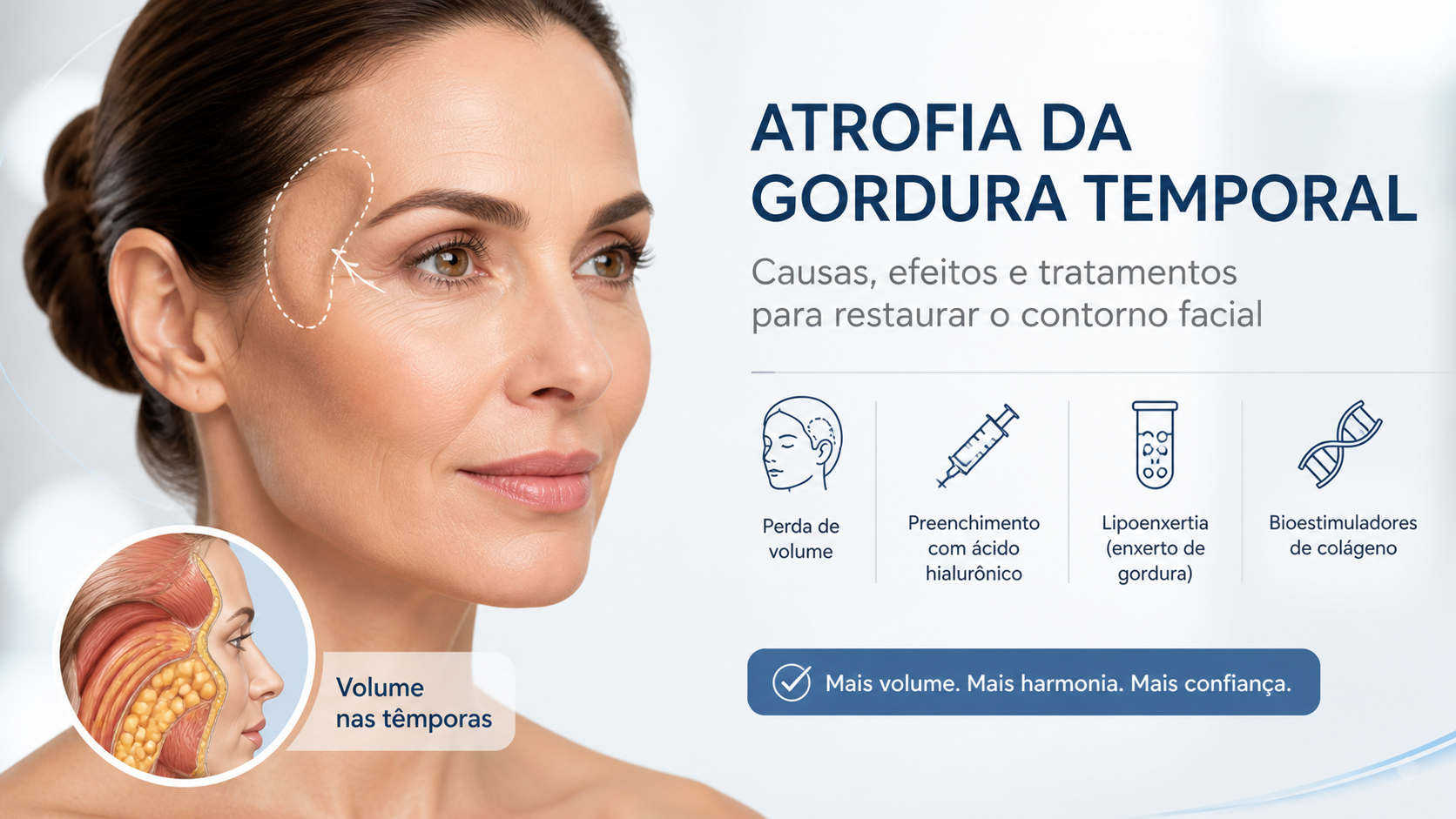
Atrofia da Gordura Temporal: causas, consequências e tratamentos
Agendar consulta
Precisa de orientação personalizada?
Marque uma avaliação com o Dr. Fernando Amato e tire as suas dúvidas sobre cirurgia plástica.
Falar no WhatsApp