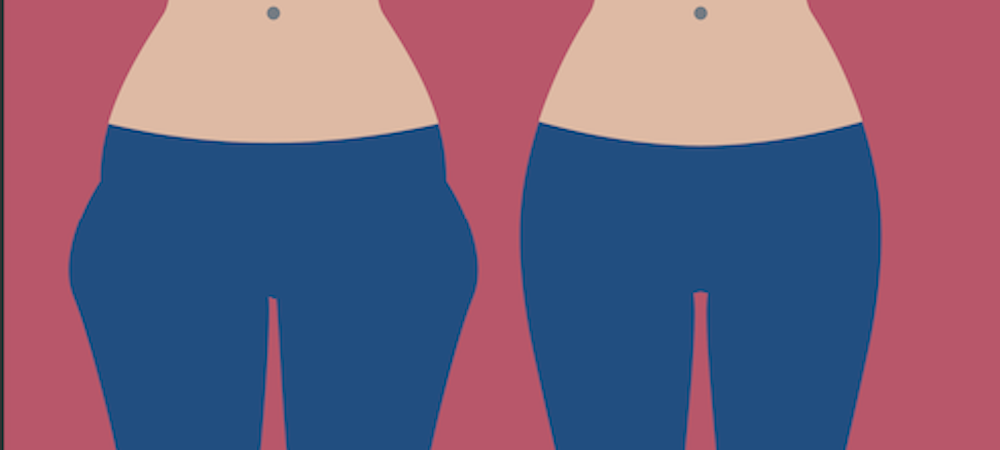
Localized fat and sagging skin can be a symptom of fat vascular disease . Lipedema is seen as obesity or overweight, much more common in women, appearing at puberty, during pregnancy or after menopause. Thus, there is swelling and an accumulation of fat, especially in the lower limbs.
“Lipedema fat is usually painful and concentrates on the hips, thighs, and calves. Some small nodules may also appear,” explained Andrea Ferri Catib, a nutritionist, sports medicine specialist, and member of the Brazilian Society for the Study of Physiology (Sobraf).
“There is probably a link to genetics, but no gene has yet been identified. There also seems to be a relationship with estrogen, since it affects practically only women and, normally, during phases in which there is an increase in this hormone, such as puberty and pregnancy,” said Andrea.
The treatment of lipedema requires a broad team, composed of an angiologist, vascular surgeon, nutritionist, physical therapist and, in some cases, a psychologist. It also requires exams to detect endocrinological diseases that could cause similar symptoms.
According to Fernando Amato, who is a plastic surgeon and member of the Brazilian Society of Plastic Surgery (SBCP), surgery should be the last option: “Only after trying clinical treatment for a while should we indicate liposuction.”
In addition to multidisciplinary monitoring, it is necessary to avoid the abuse of foods such as pork and beef, processed meats, soft drinks, alcoholic beverages, and industrialized products, which can intensify the inflammation of lipedema.