- Surgeries, Diseases, Face and Head
Phenol Peel: Advantages, Benefits, and Risks of the Treatment
- June 4, 2024
- By Fernando Amato
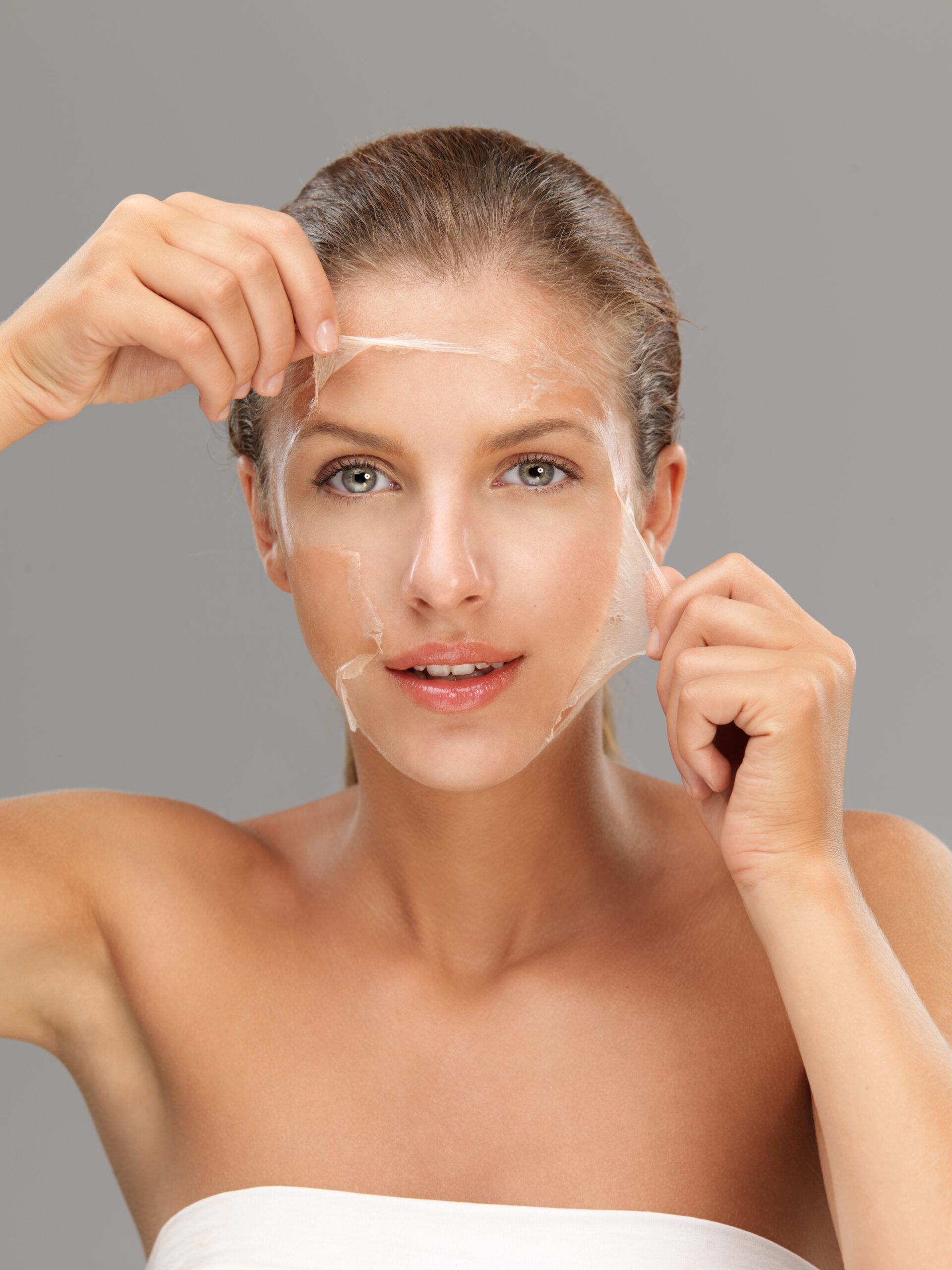
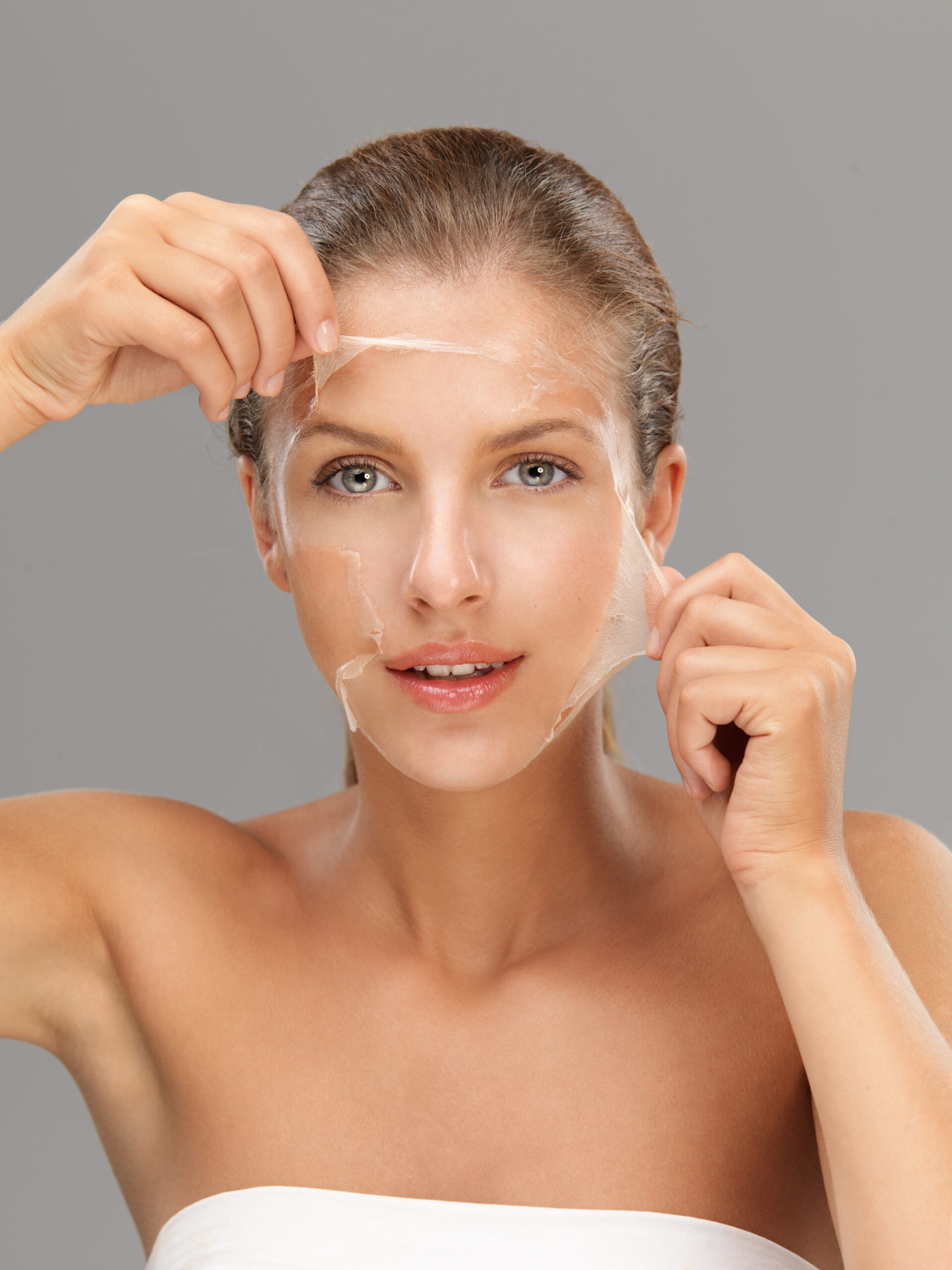
The phenol peel is one of the most potent aesthetic treatments available for facial rejuvenation. Used to treat deep wrinkles, acne scars, and sun damage, this procedure can provide dramatic results. However, due to its depth and potency, it requires careful patient evaluation and rigorous follow-up to minimize risks.
Article Highlights:
- 🌟 Dramatic Results: The phenol peel can transform skin appearance, reducing deep wrinkles and scars.
- 🏥 Complex Procedure: Due to its depth, an experienced professional must perform it in a controlled environment.
- 💉 Anesthesia Required: The procedure frequently requires anesthesia due to associated discomfort.
- 📋 Rigorous Patient Selection: Not everyone is an ideal candidate; careful evaluation is crucial.
- 🚑 Complication Management: Understanding potential risks and how to treat them is essential for a safe outcome.
Advantages of Phenol Peel
Deep Rejuvenation: This treatment is capable of penetrating the deepest layers of the skin, promoting significant renewal. The phenol peel is particularly effective in reducing deep wrinkles and fine lines, providing a younger and revitalized appearance.
Scar Treatment: In addition to treating wrinkles, the phenol peel can improve skin texture, reducing acne scars and other skin imperfections.
Lasting Results: The results of the phenol peel are long-lasting, with many patients reporting skin improvements for several years after treatment.
Benefits of Phenol Peel
Improved Skin Texture: The phenol peel promotes smoother and more uniform skin, improving texture and reducing the appearance of enlarged pores.
Collagen Stimulation: By removing damaged layers of skin, the phenol peel stimulates collagen production, essential for maintaining skin firmness and elasticity.
Even Skin Tone: This peel is effective in removing dark spots and hyperpigmentation, providing a more even and brighter skin tone.
Risks and Complications
Risk of Infection: Like any procedure involving the removal of skin layers, there is a risk of infection. It is essential to follow post-treatment instructions carefully and keep the treated area clean.
Pigmentation Changes: Phenol peel can cause hyperpigmentation or hypopigmentation, especially in people with darker skin tones. The patient should discuss this risk with the dermatologist before the procedure.
Prolonged Healing: Recovery time can be extensive, with redness and swelling persisting for several weeks. In some cases, the skin may take months to return to its normal color.
Risk of Toxicity: Phenol is a toxic substance, and applying it incorrectly can cause adverse systemic effects, including heart problems. Therefore, a highly qualified professional must perform the procedure.
Importance of Patient Indication and Selection
Complete Medical Evaluation: Before performing a phenol peel, a complete medical evaluation is necessary. Healthcare professionals should carefully assess patients with cardiac, renal, or hepatic conditions, due to the potential risk of phenol toxicity.
Skin History: Analysis of the patient's skin history is essential. Those with sensitive skin, propensity for scarring, or hyperpigmentation may not be the best candidates for this procedure.
Realistic Expectations: It is important for patients to have realistic expectations about the results and the recovery process. Clear communication between the patient and the doctor is fundamental for the success of the treatment.
Treatment Conditions and Complication Management
Controlled and Hospital Environment: Healthcare professionals must perform the phenol peel in a controlled and preferably hospital environment, due to the need for monitoring during and after the procedure. The presence of qualified equipment and healthcare professionals is essential to deal with any complications that may arise.
Post-Operative Care: Post-operative care is crucial. Patients must rigorously follow the doctor's instructions, including the use of antibiotic ointments and sunscreens, and avoiding direct sun exposure.
Continuous Monitoring: After the procedure, continuous monitoring is necessary to quickly identify and treat any complications, such as infections or adverse reactions.
Complication Treatment: In case of complications, such as infection or pigmentation changes, the doctor must be prepared to intervene quickly. This may include the use of specific medications, additional skin care, and, in rare cases, corrective procedures.
Conclusion
The phenol peel is a powerful and effective treatment for skin rejuvenation, but healthcare professionals must approach it with caution due to its potential risks and complications. Thus, careful patient selection, performing the procedure in a controlled hospital environment and post-treatment follow-up are essential to ensure satisfactory and safe results.
Questions and Answers
- Who is a good candidate for a phenol peel? Patients with deep wrinkles, acne scars, and severe sun damage are good candidates, provided they do not have medical conditions that contraindicate the procedure.
- What are the main benefits of a phenol peel? Dramatic results in skin rejuvenation, reduction of scars and deep wrinkles, and stimulation of collagen production.
- What are the risks associated with a phenol peel? Risks include infection, pigmentation changes, prolonged healing, and systemic toxicity.
- What is the recovery process like after a phenol peel? Recovery can be long, with redness and swelling for several weeks, requiring intensive skin care.
- Is a phenol peel painful? Yes, which is why it is usually performed with anesthesia to minimize discomfort.
- What care should be taken after the procedure? The patient should use antibiotic ointments, sunscreen, avoid sun exposure, and follow all medical instructions.
- How long do the results of a phenol peel last? The results can last for many years, but the skin will continue to age naturally.
- Can it be performed on any skin type? No, the phenol peel is generally more suitable for lighter skin types, as it carries a risk of pigmentation changes.
- What is the importance of patient selection for a phenol peel? Careful selection is crucial to avoid complications and ensure the patient has the appropriate health and skin for the procedure.
- What are the alternatives to a phenol peel? Alternatives include lighter chemical peels, laser, and microdermabrasion.
Related articles



Agendar consulta
Precisa de orientação personalizada?
Marque uma avaliação com o Dr. Fernando Amato e tire as suas dúvidas sobre cirurgia plástica.
Falar no WhatsApp