- Treatments
Which is the Best OINTMENT for Healing?
- September 12, 2024
- By Fernando Amato
Wound healing is a fundamental process for skin recovery after surgeries, burns, or traumas. Although the body has its natural healing capacity, some ointments can assist in this process. However, it is important to remember that the use of healing ointments should always be guided by a doctor, who will assess the type of wound, its specific needs, and indicate the appropriate treatment.
📝 Article Highlights:
🚑 Antibiotic ointments are recommended for open wounds or those at risk of infection.
🌿 Natural ingredients, such as calendula, have anti-inflammatory properties that accelerate healing.
💧 Vitamin E and other antioxidants aid in skin regeneration and scar softening.
🛡️ Silicone-based ointments are recommended to prevent keloid formation.
🔍 A healthcare professional should always recommend the choice of appropriate ointment.
What are healing ointments?
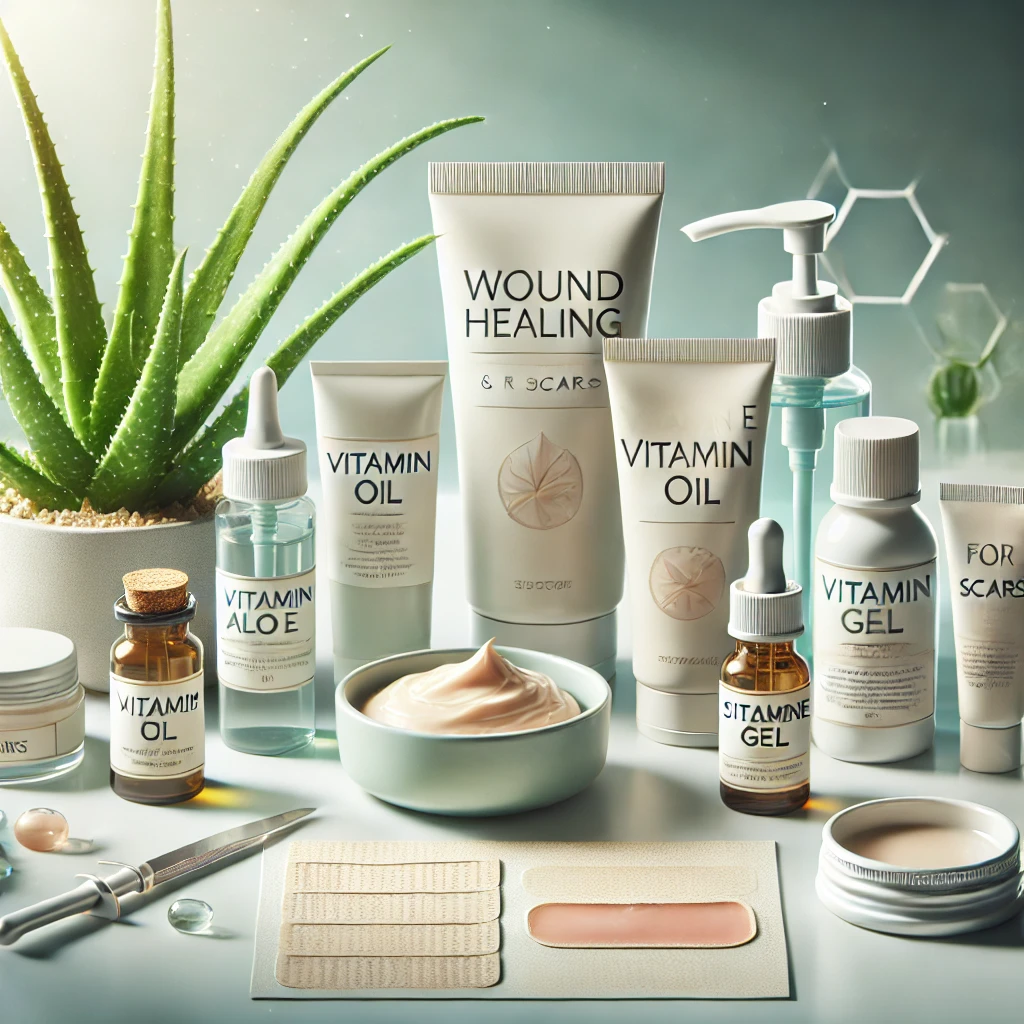
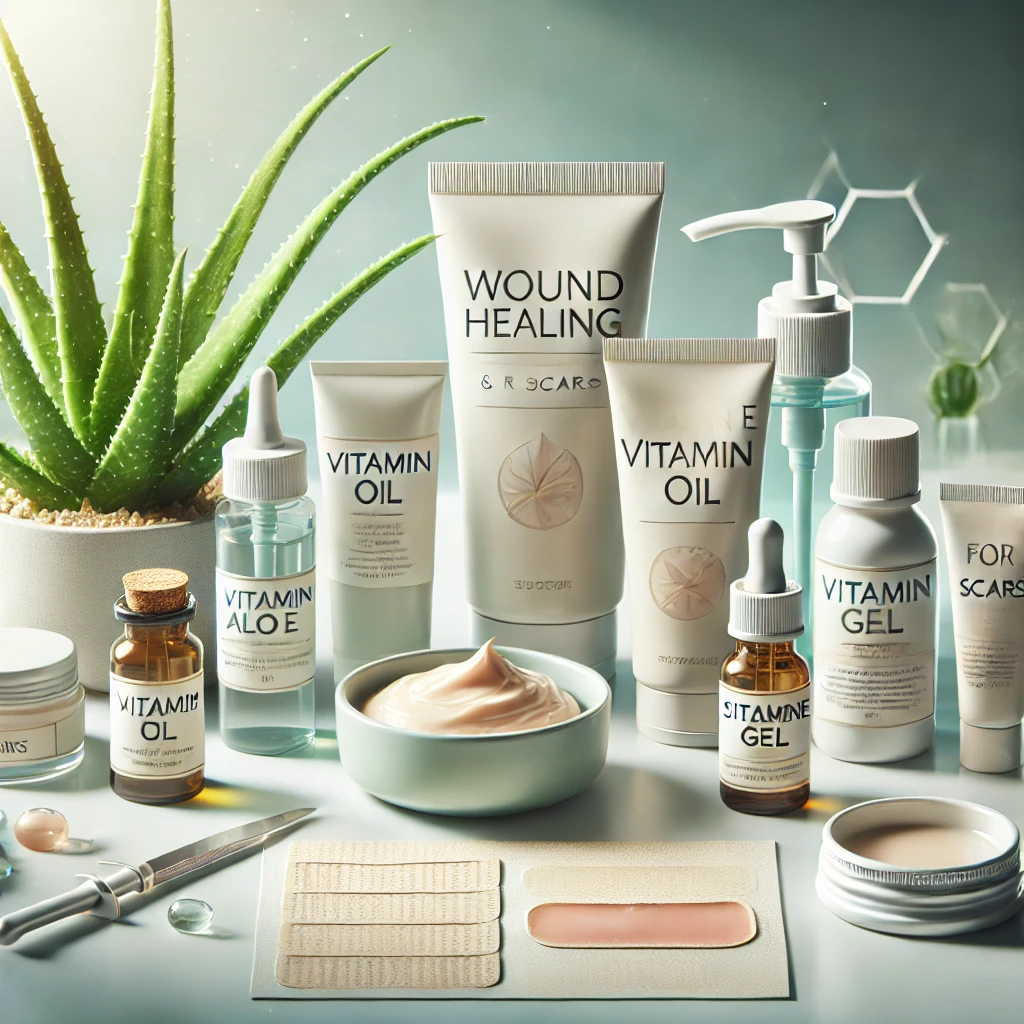
Healing ointments accelerate skin regeneration and promote wound healing. However, depending on the active ingredients, these ointments can act in different ways: hydrating, preventing infections, reducing inflammation, or even preventing scar formation.
These products therefore frequently treat cuts, burns, surgical wounds, and other injuries. However, it is essential to choose the ideal ointment with medical guidance, as the type and severity of the wound may require different treatments.
Types of Healing Ointments
1. Antibiotic Ointments
These ointments are recommended for open wounds or those at risk of infection, as they contain antibacterial substances that prevent the proliferation of harmful microorganisms. Thus, they can be prescribed for deep cuts or surgical wounds, where there is a higher chance of infection.
🔹 Indications: Open wounds, cuts, minor burns.
🔹 Example: Neomicina (Nebacetin®), Rifocina, Mupirocina
2. Silicone-Based Ointments
Ointments with silicone therefore create a protective barrier that maintains skin hydration and helps prevent keloids and hypertrophic scars. Thus, this type of ointment is highly indicated for postoperative care.
🔹 Indications: Scar prevention, keloids.
🔹 Example: Kelo-cote®.
3. Ointments with Vitamin E
Vitamin E is a powerful antioxidant that helps regenerate the skin and reduce scar formation. In addition to hydrating the injured area, vitamin E also prevents hardening and darkening of the scar.
🔹 Indications: Wound healing, scar softening.
🔹 Example: Skimatix®.
4. Corticosteroid Ointments
These ointments are recommended for treating wounds or lesions with inflammation, allergy, or itching, as they help relieve these symptoms. However, it is essential to use them under strict medical supervision, due to possible side effects associated with prolonged use of corticosteroids.
🔹 Indications: Inflammations, dermatitis, allergic reactions.
🔹 Example: Betnovate®, Topison®, Advantan®
5. Moisturizing Ointments with Dexpanthenol
Ointments with dexpanthenol, however, are known to promote deep skin hydration and accelerate cell regeneration, making them ideal for treating dry wounds or minor burns. This ingredient therefore transforms into pantothenic acid (vitamin B5) in the skin, which aids in healing.
🔹 Indications: Skin hydration, healing of dry wounds.
🔹 Example: Bepantol® Derma.
Active Ingredients that Help in the Healing Process
Some active ingredients are therefore especially effective in accelerating the healing process and improving the final appearance of the scar. Here are the main ones:
1. Dexpanthenol
One of the most well-known ingredients in wound treatment, dexpanthenol has moisturizing and healing properties, promoting cell regeneration and maintaining skin elasticity.
2. Vitamin E
In addition to helping to hydrate and regenerate the skin, vitamin E acts as an antioxidant, fighting free radicals that can impair healing. Therefore, it is widely used to soften scars and improve their aesthetic appearance.
3. Hyaluronic Acid
Hyaluronic acid is therefore excellent for maintaining skin hydration and accelerating healing. Thus, it helps retain moisture, forming a protective layer that favors tissue regeneration.
4. Silicone
Silicone ointments are widely used to prevent keloids and hypertrophic scars, as they help maintain moisture at the injury site and promote uniform healing.
SUGGESTIONS FOR SILICONE SHEETS AND TAPES
- Placa de Silicone Kelo Gel 35×3: https://mercadolivre.com/sec/2C73fN8
- Placa de Silicone Siliforna 35×3 https://mercadolivre.com/sec/1NSjLVc
- Placa Em Gel Adesivo Areolar 7.6×7.6cm 2un Kelogel: https://mercadolivre.com/sec/2F1DZ5g
- Placa De Silicone Para Cicatriz E Queloide Lifesil: https://mercadolivre.com/sec/2M8VM6Z
- Placa Em Gel De Silicone T Invertido 23cmx13cm 2un Kelogel: https://mercadolivre.com/sec/17QfHPT
- Fita Silicone Silimed Medgel 2 Unid Para Cicatrizes 30x2cm: https://mercadolivre.com/sec/1bx6vTq
- Fita Silicone Silimed Medgel 1 Unid Para Cicatrizes 30x2cm: https://mercadolivre.com/sec/1eXWWot
- Placa De Gel De Silicone Modelo L Com Disco – 2 Unidades: https://mercadolivre.com/sec/2nA4EhC
- Placa Silicone P/ Cicatriz Modelo Te Invertido 28cm X 8,5cm: https://mercadolivre.com/sec/1wqT2BH
- Fita Silicone Silimed Medgel 2 Unid Para Cicatrizes 30x2cm: https://mercadolivre.com/sec/2PhdoLf
5. Rosehip Oil
This natural oil is therefore rich in essential fatty acids and antioxidants, which helps in skin regeneration and scar reduction. Additionally, it is an excellent complement to the treatment of wounds or surgeries.
The Importance of Medical Recommendation
It is important to emphasize that, although there are several effective healing ointments on the market, not all are suitable for all types of wounds. Improper use of ointments, especially those with corticosteroids or antibiotics, can worsen the problem or cause unwanted side effects, such as allergies or larger scars.
Medical consultation is essential so that the treatment is correctly directed, taking into account factors such as the type of injury, skin conditions, and the patient's health history. However, only a doctor can indicate the best ointment, the correct application method, and the ideal frequency for treatment.
Tips for Healthy Healing
Keep the wound clean and dry: Proper hygiene prevents infections.
Apply the ointment as directed by your doctor: Correct use enhances healing.
Protect the wound from the sun: Sun exposure can darken the scar.
Do not remove the scab: Let it fall off naturally to avoid larger scars.
Conclusion
Wound healing is a process that can be facilitated with the use of appropriate ointments, but it is fundamental that the treatment is indicated by a doctor. In addition, choosing the correct ointment and professional monitoring helps ensure a safe and efficient recovery, minimizing the risk of complications and unwanted scars.
Thus, if you have a wound or have recently undergone surgery, schedule a consultation with Dr. Fernando Amato, a plastic surgeon, to get the best guidance on how to care for your skin and ensure proper healing.
Frequently Asked Questions
1. Can I use healing ointment without a prescription?
It is not recommended. Improper use can cause side effects. Always consult a doctor.
2. Does Vitamin E help with wound healing?
Yes, vitamin E is a powerful antioxidant that hydrates and improves skin regeneration.
3. Can corticosteroid ointments be used on open wounds?
No, they are only indicated in specific cases and always under medical supervision.
4. Which ointment is ideal for surgical scars?
Silicone ointments, such as Kelo-cote®, are indicated for preventing hypertrophic scars and keloids.
5. Are healing ointments indicated for acne?
Some may help soften acne scars, but consult a dermatologist before use.
6. Is it safe to use healing ointment on children?
Yes, as long as they are indicated by a pediatrician.
7. Do healing ointments cause allergies?
Some people may be sensitive to certain components. If irritation occurs, discontinue use and consult a doctor.
8. Are natural ointments like calendula effective?
Yes, calendula has anti-inflammatory and regenerative properties.
9. Does using ointment accelerate healing?
Yes, as long as the ointment is suitable for the type of injury and used correctly.
10. How long does a scar take to disappear?
The time varies, but can take from a few weeks to several months, depending on the injury and care.
Keywords:
#Healing #Ointment #Wounds #SkinCare #VitaminE
Related articles


Agendar consulta
Precisa de orientação personalizada?
Marque uma avaliação com o Dr. Fernando Amato e tire as suas dúvidas sobre cirurgia plástica.
Falar no WhatsApp