
- Body, Breasts
Evolution and Innovations in the History of Breast Implants
- February 15, 2024
- By Fernando Amato
The journey of breast implants is a path full of innovation, research, and continuous development. From the first steps in the 1960s to modern advancements, the evolution of breast implants reflects the tireless pursuit of solutions that combine aesthetics and safety.
Historical Development 1960s: Beginning of the Revolution
- 1962: Concern for the aesthetics and results of implants arose; Cronin and Gerow developed the first silicone breast implant, marking the beginning of modern breast augmentation surgery.
- 1968: Implementation of polyurethane use to improve implant positioning.
1980s: Challenges and Solutions
- Manufacturers' efforts to reduce capsular contracture with textured-surface implants.
Late 20th Century: Refinement of Techniques
- 1992: The suspension of the commercialization of silicone gel implants in the USA resulted in a significant shift, thus driving the use of saline-filled implants.
- 1997: Development of new texturing methods to further reduce the incidence of capsular contracture.
21st Century: The Era of Personalization and Safety
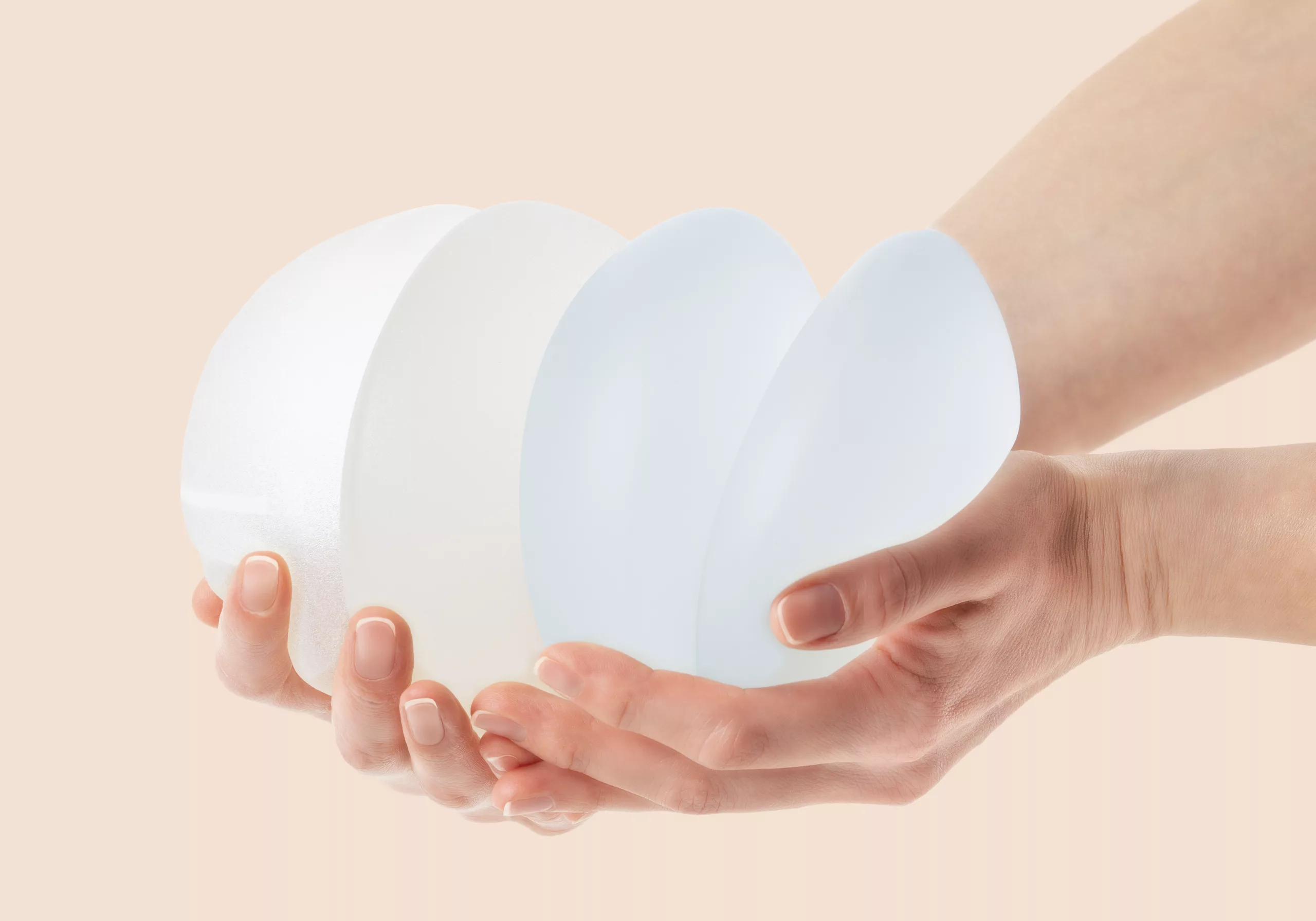
- To better meet patient expectations, there has been an expansion of implant options, including various shapes, sizes, and surfaces.
- Present Day: Widespread use of silicone implants after their safety has been proven.
Technologies and Materials
- Development of more inert and safer materials.
- Thus, aiming to meet individual needs, a diversity in shapes and textures is observed, exemplified by the availability of both round and anatomical implants.
The Benefits of Textured Surfaces
- Lower risk of capsular contracture;
- Greater variety of options for personalized results.
Conclusion
The historical journey of breast implants, in fact, serves as an eloquent testimony to medicine's unwavering commitment to patient well-being and satisfaction. With each significant advance, new doors open, paving the way for even safer procedures and for obtaining results that increasingly resemble natural outcomes.
Breast implants symbolize a field of constant innovation and research. Thus, with a history of challenges and successes, the breast implant industry is committed to improving patients' lives, offering safe and aesthetic solutions.
Frequently Asked Questions:
- What is capsular contracture?
- It is a body reaction that leads to hardening around the implant, which can cause discomfort and aesthetic alteration.
- What has been the evolution of materials used in breast implants?
- It started with silicone and evolved to include polyurethane and other materials that improve positioning and reduce complications.
- What is the importance of texture in a breast implant?
- Texture helps prevent implant movement and reduce the formation of excessive scar tissue.
- What are the current breast implant options?
- There are silicone, saline, and hybrid implants, with various textures, shapes, and sizes.
- Are there risks associated with breast implants?
- Yes, there are risks as with any surgery, but technological advancements have significantly improved safety.
- When do breast implants need to be replaced?
- Implants may need replacement over time due to various reasons, including changes in breast tissue or personal preferences.
- How to choose the right type of breast implant?
- The choice should be based on detailed consultations with healthcare professionals, taking into account individual preferences and needs.
- Do breast implants affect mammograms?
- Implants may require special mammography techniques to adequately visualize breast tissue.
- How has breast implant technology advanced recently?
- Technology has advanced in creating more resilient implants, with cohesive gel that maintains its shape and reduces the risk of leakage.
- What is a cohesive gel breast implant?
- It is a type of silicone implant that maintains its shape even when cut, due to the consistency of the internal gel.
👩⚕️ The history of breast implants is marked by constant innovation.
📅 Since 1962, the evolution of materials and techniques has been remarkable.
🛡️ Textured surfaces reduce the risk of capsular contracture
Related articles


Agendar consulta
Precisa de orientação personalizada?
Marque uma avaliação com o Dr. Fernando Amato e tire as suas dúvidas sobre cirurgia plástica.
Falar no WhatsApp