
- Diseases
Pilonidal Cyst: Understand What It Is, and Learn About Available Treatments
- February 25, 2024
- By Fernando Amato
A pilonidal cyst, also known as pilonidal sinus, is a condition that primarily affects the coccygeal region, near the intergluteal cleft (the area between the buttocks). It is characterized by the formation of a cyst or a series of channels that may contain hair and skin debris. Although it may seem simple, this condition can lead to painful infections and requires appropriate medical attention. So, in this article, we will explore in detail what a pilonidal cyst is, its causes, symptoms, available treatments, and how to prevent its occurrence, aiming to clarify common doubts and encourage readers to seek specialized care when necessary.
- 🔍 Understand what a pilonidal cyst is
- 🚑 Available treatment options
- ⚠️ Symptoms to watch out for
- 💡 Prevention tips
- 🩺 When to seek a specialist
What Is a Pilonidal Cyst?
The term “pilonidal” comes from the Latin “pilus,” meaning hair, and “nidus,” meaning nest, effectively describing the nature of this condition. Originally, pilonidal cysts were believed to be congenital malformations; however, the most accepted theory today is that they are acquired due to factors such as friction, pressure, and the presence of ingrown hairs that penetrate the skin, creating a cavity that can become infected.
Causes and Risk Factors
Although the exact cause of pilonidal cysts is not fully understood, several risk factors contribute to their development, including:
- Sedentary lifestyle: Prolonged periods of sitting increase pressure and friction in the sacrococcygeal region, favoring cyst formation.
- Excess hair: Individuals with more body hair have a higher risk of developing the condition.
- Excessive sweating: Can contribute to irritation and infection of the affected area.
- Local trauma or injury: Repeated impacts or injuries in the region are also risk factors.
Symptoms
Symptoms of a pilonidal cyst vary according to the severity of the condition and include:
- Pain and tenderness in the coccygeal region, especially when sitting or pressing the area.
- Swelling and redness in the affected region.
- Drainage of pus or blood from an opening in the skin, often accompanied by an unpleasant odor.
- Abscess formation, in more severe cases, which can be extremely painful and requires urgent medical intervention.
Available Treatments
The treatment of a pilonidal cyst depends on the severity of the symptoms and the recurrence of the condition. Options include:
- Conservative care: Therefore, in cases without significant infection, it is recommended to keep the area clean and dry, use antibiotics to treat or prevent infections, and remove hair around the affected area to avoid worsening.
- Abscess drainage: A procedure performed under local anesthesia that consists of opening and cleaning the abscess. Thus, it is an effective measure for immediate symptom relief.
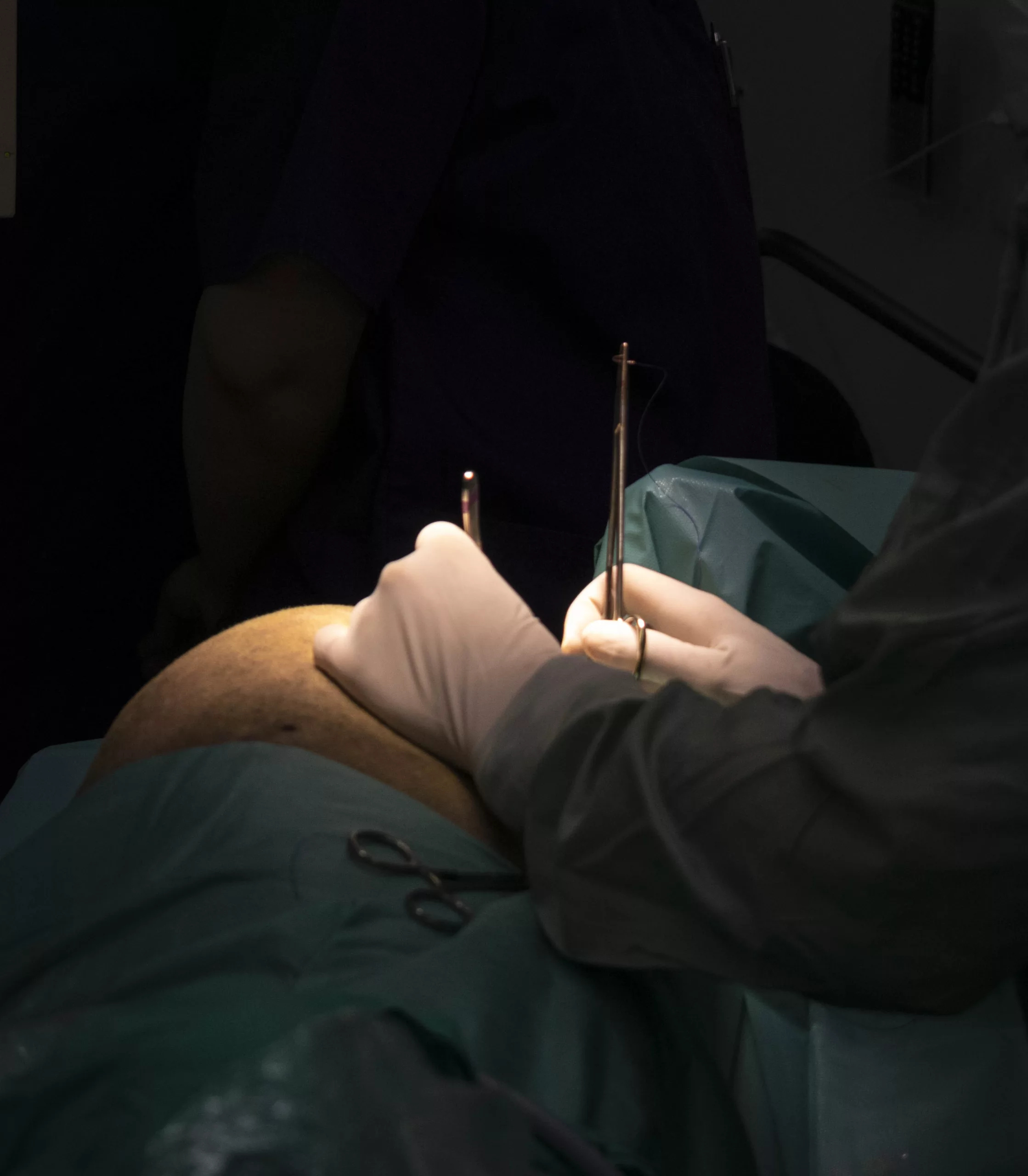
- Surgery: Recommended for recurrent or complicated cases. Therefore, surgery is indicated for cyst removal and can be performed using different techniques, depending on the extent of the problem and the surgeon's preference.
Prevention
Preventing pilonidal cysts involves simple measures such as maintaining proper hygiene of the area. Thus, avoid prolonged periods of sitting, and remove hair from the sacrococcygeal region to reduce the risk of ingrown hairs.
Questions and Answers
1. Can a pilonidal cyst return after treatment? Yes, even after treatment, a pilonidal cyst can recur. However, especially if risk factors are not adequately managed.
2. Is pilonidal cyst surgery painful? Surgery is performed under anesthesia, so the procedure itself is not painful. Discomfort may occur during the recovery period, but it is manageable with pain medication prescribed by the doctor.
3. How can I know if I have a pilonidal cyst? If you experience symptoms such as pain, swelling, or drainage in the coccygeal region, it is important to seek medical evaluation for a correct diagnosis.
4. Are there complications associated with pilonidal cysts? If left untreated, a pilonidal cyst can lead to more severe infections and abscess formation, requiring urgent medical intervention.
5. Which specialist should I see? A general surgeon or a colorectal surgeon are the most indicated specialists to evaluate and treat pilonidal cysts.
#CistoPilonidal, #TratamentoCistoPilonidal, #SintomasCistoPilonidal, #PrevençãoCistoPilonidal, #CirurgiaCistoPilonidal
Related articles


Agendar consulta
Precisa de orientação personalizada?
Marque uma avaliação com o Dr. Fernando Amato e tire as suas dúvidas sobre cirurgia plástica.
Falar no WhatsApp