- Diseases
Vascular Tumors and Anomalies: How to Identify and What are the Treatments
- May 5, 2024
- By Fernando Amato
🔍 Introduction: Deciphering the Mysteries of Vascular Anomalies
Vascular anomalies, however, are changes that occur in blood and lymphatic vessels, manifesting in various forms, from harmless birthmarks to tumors that require immediate medical intervention. This article, therefore, aims to demystify these conditions, presenting their types, causes, symptoms, and the most advanced treatment options available. So, with detailed information and useful tips, our goal is to empower patients and their families with knowledge, encouraging them to seek specialized evaluation and treatment when necessary.
- 🔬 Types and Definitions – Understanding the differences between vascular malformations and tumors is essential for proper treatment.
- 🧬 Risk Factors – Genetic and environmental factors can influence the development of vascular anomalies.
- 🚑 Symptoms to Observe – Skin lesions and deformities can be signs of vascular anomalies.
- 🩺 Treatment Options – From observation to surgical procedures, various treatment options are available.
- 📞 Specialized Consultation – Consult a specialist for proper evaluation and management of these conditions.
🩺 Understanding Vascular Anomalies
Definition and Types
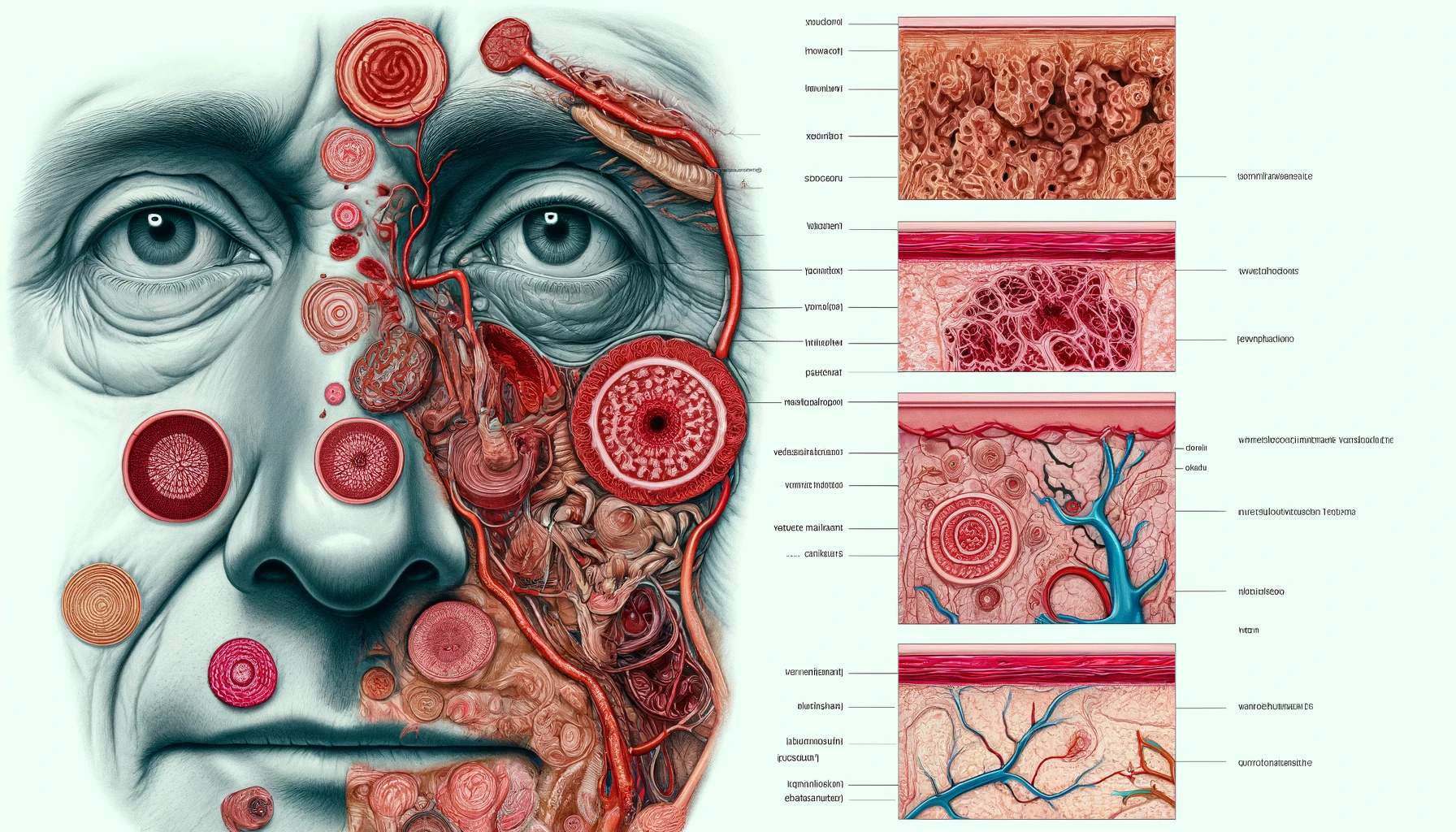
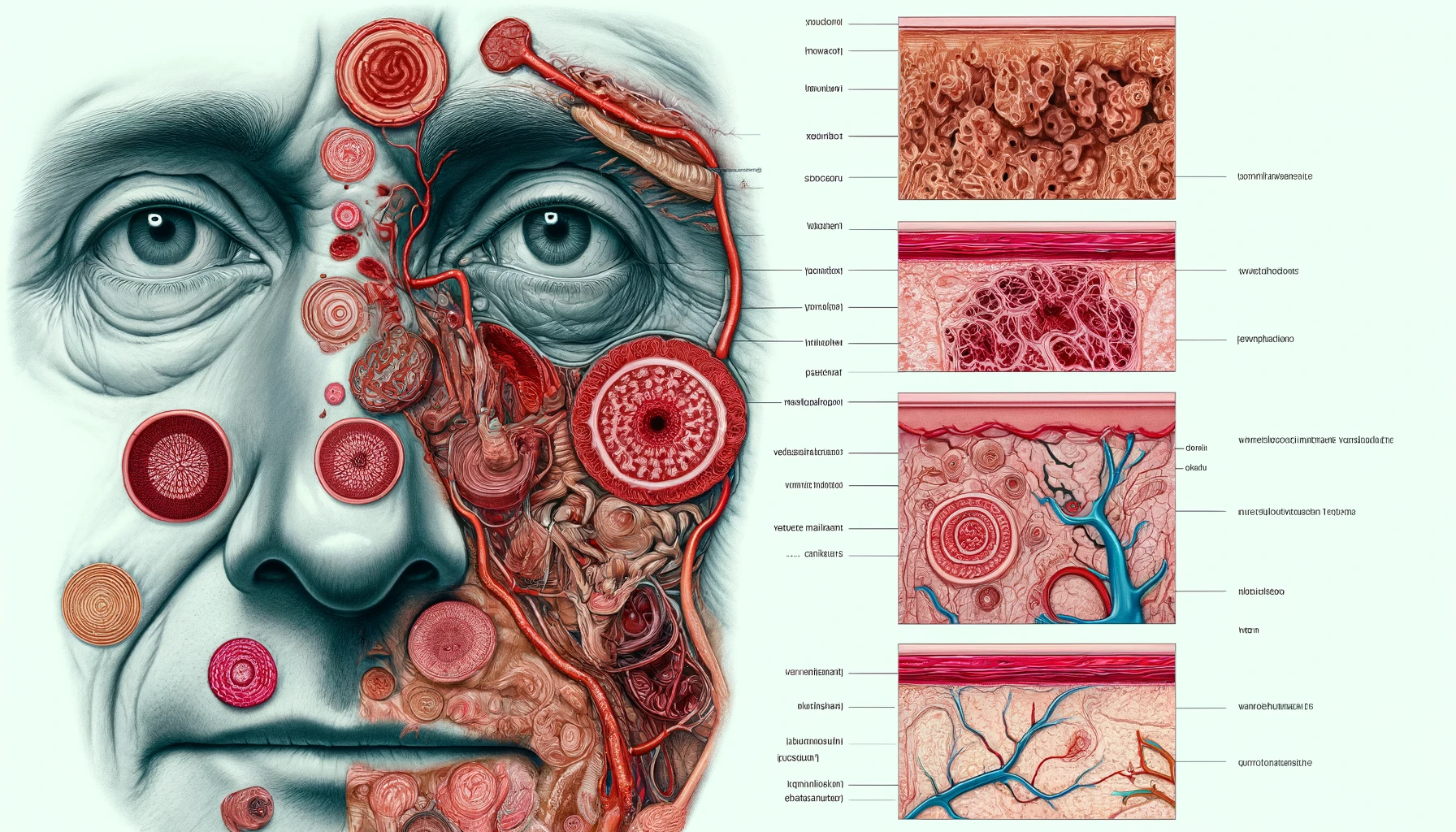
Vascular anomalies, then, are divided into two main categories: vascular malformations and vascular tumors. Vascular malformations are defects in blood vessels that are present from birth and grow proportionally with the person. On the other hand, vascular tumors, such as hemangiomas, are lesions that can grow rapidly after birth and may spontaneously regress.
Causes and Risk Factors
Although the exact cause of many vascular anomalies remains unknown, genetic factors can play an important role in their formation. Specific changes in genes responsible for blood vessel development can lead to these anomalies. Furthermore, certain environmental factors during pregnancy, such as exposure to chemicals, can increase the risk in babies.
Common Symptoms
Symptoms vary significantly depending on the type of vascular anomaly and its location. Tumors like hemangiomas are often visible on the skin as bright red spots, while malformations can cause deformities or functional problems, depending on where they are located. In some cases, vascular anomalies can cause pain, discomfort, deformities, or complications such as bleeding.
👩⚕️ Diagnosis and Treatment
Diagnosis usually involves a combination of physical examination, medical history, and imaging tests, such as ultrasound, magnetic resonance imaging (MRI) or computed tomography (CT). Treatment ranges from simple observation to more complex interventions, such as surgery, laser therapy or medication. In many cases, a multidisciplinary team is needed to effectively manage these conditions.
Conclusion
If you or someone you know shows signs of vascular anomalies, it is crucial to seek advice from a specialist for an accurate diagnosis and discussion of the best treatment options. Do not hesitate to schedule a consultation with Dr. Fernando Amato for a detailed evaluation and personalized care.
Questions and Answers
- What are vascular anomalies? They include a range of conditions affecting blood and lymphatic vessels, divided into vascular malformations and vascular tumors.
- What are the main types of vascular anomalies? These include hemangiomas, which are benign tumors, and various forms of vascular malformations, such as capillary, venous, lymphatic, and arteriovenous.
- How are vascular anomalies diagnosed? Through detailed physical examinations, review of medical history, and imaging tests such as ultrasound, MRI, or CT.
- What is the treatment? It varies from observation, laser therapy, medications to surgical interventions, depending on the specific condition and its severity.
- When should I see a doctor if I suspect one? Whenever you notice unusual skin lesions, deformities, or other related symptoms, seek medical evaluation for an accurate diagnosis.
- Are vascular anomalies hereditary? Some types may have a genetic component, so it is important to discuss family history with your doctor.
- Are children and adults equally affected? Some, like hemangiomas, are more common in children, while others can appear or become apparent at any age.
- Is there prevention for vascular anomalies? There are no known prevention methods, but early diagnosis and treatment can prevent complications.
- Do vascular anomalies always require treatment? Not always. Some can merely be monitored, especially if they do not cause symptoms or complications.
- How can I find a specialist in vascular anomalies? Look for doctors specializing in dermatology, plastic surgery, or vascular medicine.
Keywords:
#VascularAnomalies #VascularTreatment #VascularDiagnosis #Hemangioma #VascularMalformations
Related articles


Agendar consulta
Precisa de orientação personalizada?
Marque uma avaliação com o Dr. Fernando Amato e tire as suas dúvidas sobre cirurgia plástica.
Falar no WhatsApp