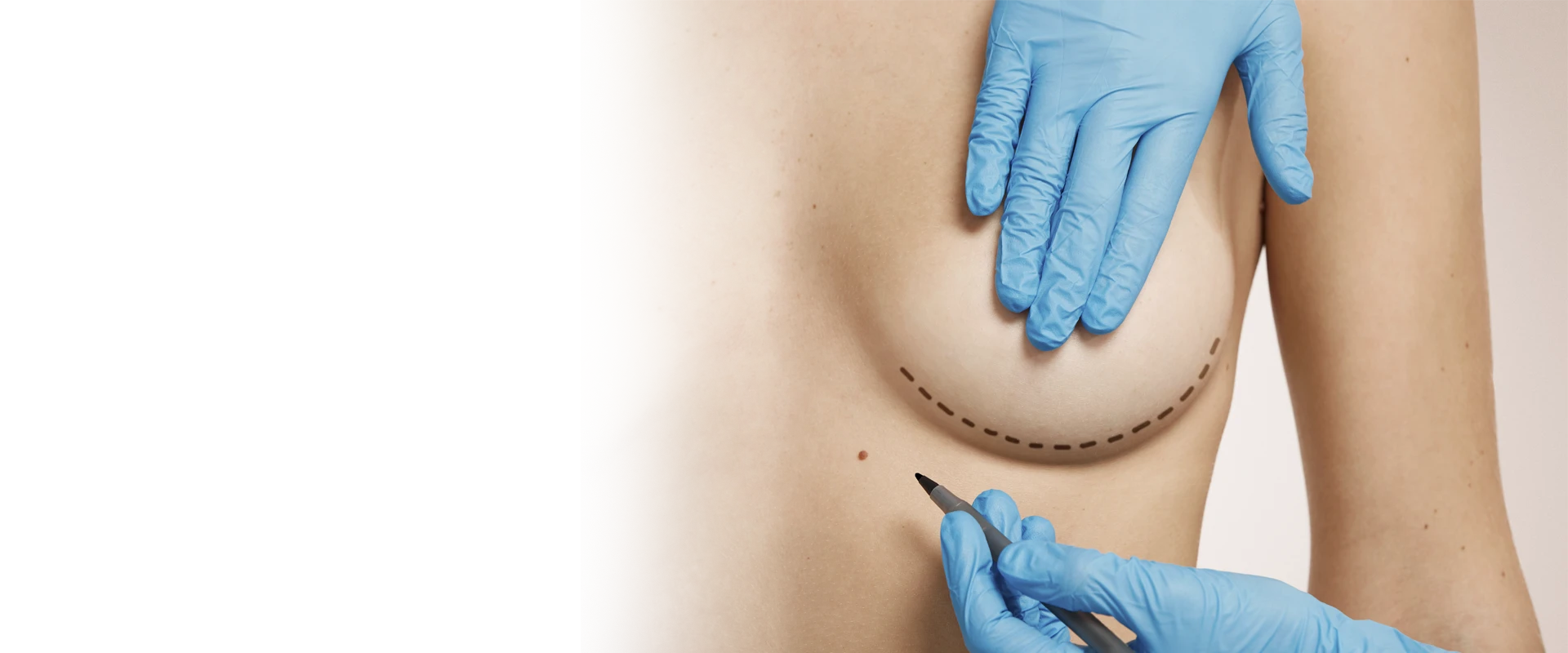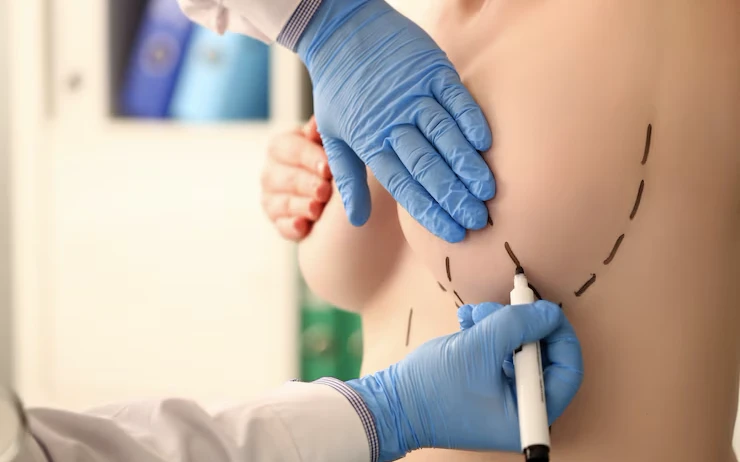
Breast reconstruction after breast cancer is a right guaranteed by law and a fundamental part of treatment. Restoring breast volume and shape has a proven impact on emotional recovery, body image, and sexual life. This guide explains what is possible today in breast reconstruction and how to navigate the process.
The right guaranteed by law
Law 9.797/1999, expanded by Law 12.802/2013, guarantees:
- Breast reconstruction by SUS and all health plans, without distinction.
- Immediate reconstruction (same act as mastectomy) when technically possible.
- Delayed reconstruction (at a later time) when indicated.
- Symmetrization of the contralateral breast — the "good" breast is also operated on to make both equal.
- Reconstruction of the nipple-areola complex (nipple and areola).
Refusal by a health plan is illegal and subject to legal action with rapid injunction — several precedents in the STJ.
Why this topic appears every Pink October
During the Pink October campaigns of 2020 and 2021, Dr. Fernando Amato participated in articles in UOL VivaBem, R7 Saúde, Terra, Estadão, Yahoo Notícias and MSN about post-mastectomy breast reconstruction. Central message: reconstruction is not aesthetic surgery; it is part of cancer treatment and is a right of every woman who has undergone a mastectomy.
Immediate x Delayed Reconstruction
Immediate Reconstruction
- Performed during the same surgical procedure as the mastectomy.
- Advantage: the patient wakes up with the breast already reconstructed — much smaller emotional impact.
- Indication: when radiotherapy is not anticipated or when the oncology team authorizes it.
- Generally combines skin-sparing or nipple-sparing mastectomy (preserving skin and nipple) with the placement of a prosthesis or expander.
Delayed Reconstruction
- Performed weeks, months, or years after mastectomy.
- Indication: patient who needed radiotherapy (wait 6–12 months after completion), ongoing oncological treatment, comorbidities that increase risk, or patient's preference to grieve the breast first.
- Allows for more detailed planning when the oncological disease is controlled.
Techniques — which is best for each profile
1. Direct Implant (prosthesis)
Immediate placement of a definitive prosthesis when there is sufficient skin and muscle coverage. Indicated in skin-sparing mastectomies, in small/medium breasts, and in patients without prior radiotherapy. Shorter surgery, faster recovery.
2. Expander + Implant (in 2 stages)
An expander (silicone balloon) is placed and progressively inflated with saline in the office (weekly or bi-weekly) for 3–6 months, stretching the skin. Then, a second surgery replaces the expander with a definitive prosthesis. Allows for larger reconstructions and in more retracted skin.
3. DIEP — microsurgical abdominal flap
Considered the gold standard among autologous flaps. Uses skin and fat from the lower abdomen (similar to the area of an abdominoplasty), preserving the rectus abdominis muscle — the blood supply is reconnected by microsurgery. Advantages: very natural result, durability, no abdominal wall weakening, excellent for radiated patients. Disadvantages: long surgery (6–10h), requires a specialized microsurgery team.
4. TRAM (transverse rectus abdominis myocutaneous)
Similar to DIEP, but also uses part of the rectus abdominis muscle. Technically simpler, but with a higher risk of abdominal hernia and wall weakness. Today, when a team is available, DIEP is preferred.
5. Latissimus Dorsi Flap
Uses the latissimus dorsi muscle from the back (with overlying skin), rotated to the breast area. Usually combined with a prosthesis, because the volume of the flap alone is often not sufficient. Good option for radiated patients who are not candidates for DIEP.
6. Fat Grafting (lipoenxertia)
Patient's liposuction (abdomen, flanks, thigh) with reinjection into the reconstructed breast. Useful for contour refinement, filling irregular areas, and correcting asymmetries — typically in repeated sessions after the main reconstruction.
Nipple and Areola Reconstruction
Final phase, performed 3–6 months after breast volume is stable. Two stages:
- Nipple: reconstructed with a local flap from the reconstructed breast's own skin — creates projection.
- Areola: can be a skin graft (genital area or retroauricular) or 3D dermopigmentation (medical tattooing), which today achieves impressive realism. The choice depends on the patient and the desired result.
Symmetrization of the Opposite Breast
The contralateral breast (the "good" one) often requires surgery to match the reconstructed breast. Options:
- Reduction mammoplasty — when the opposite breast is larger.
- Mastopexy — when there is ptosis (sagging).
- Prosthesis — to increase and symmetrize.
- Fat grafting — for refinements.
Integration with the Oncology Team
Breast reconstruction is a multidisciplinary team effort: mastologist (oncological surgery), plastic surgeon (reconstruction), clinical oncologist (chemotherapy), radiation oncologist (radiotherapy), psychologist, and physical therapist. Decisions must be made jointly — never in isolation.
Recovery and Timeline
- Immediate reconstruction with prosthesis: 1 hospitalization + adjustments over 6–12 months.
- Expander + implant: 6–12 months between the two surgeries.
- DIEP/TRAM: 5–7 days hospitalization + 8–12 weeks recovery.
- Nipple reconstruction: 3–6 months after volume is stable.
- Areola dermopigmentation: 1–2 sessions.
- Total: most complete the process in 12–24 months.
The Psychological Impact No One Measures
Studies show significant improvement in rates of depression, anxiety, self-esteem, and sexual function after breast reconstruction compared to mastectomy without reconstruction. Reconstruction does not eliminate the trauma of cancer — but it restores an important part of physical identity.
Media Coverage
These guidelines were presented in coverage by UOL VivaBem (Oct/2021), R7 Saúde (Oct/2021), Terra (Oct/2020), Estadão (Oct/2020), Yahoo Notícias (Oct/2021), and MSN (Oct/2021), as part of Pink October campaigns. Central message: breast reconstruction is a right, it is part of treatment, and it has completely changed what is possible to offer a woman who has undergone a mastectomy in the last 20 years.
Frequently Asked Questions
Is breast reconstruction covered by SUS and health insurance?
Yes, it is a right guaranteed by law. Law 9.797/1999, expanded by Law 12.802/2013, obligates SUS and health plans to offer reconstructive breast surgery in cases of mutilation due to cancer treatment — including symmetrization of the contralateral breast and reconstruction of the nipple-areola complex. Refusal by any health plan is illegal.
Immediate or delayed reconstruction — which is better?
Immediate (during the same act as mastectomy) has psychological and aesthetic advantages — the patient wakes up with the breast already reconstructed. Delayed (weeks to years later) is indicated when oncological treatment (radiotherapy, chemotherapy) needs to be completed, when there are comorbidities that increase risk, or when the patient prefers to grieve the breast before reconstruction. The decision is made jointly by the patient, mastologist, and plastic surgeon.
What are the main reconstruction techniques?
Three main groups: (1) Implants — direct placement of a prosthesis or use of an expander followed by replacement with a definitive prosthesis. (2) Autologous flaps (the patient's own tissue) — TRAM, DIEP (abdomen), latissimus dorsi flap (back), GAP (buttock). (3) Combined techniques (flap + implant). The choice depends on the body type, type of mastectomy, radiotherapy, the patient's desire, and the surgeon's experience.
DIEP, TRAM, dorsal flap — what's the difference?
DIEP: uses skin and fat from the lower abdomen, preserving the rectus abdominis muscle (microsurgery). Natural and durable result, without weakening the abdominal wall. TRAM: similar to DIEP, but also uses part of the muscle — technically simpler, but with a higher risk of abdominal hernia. Latissimus dorsi flap: uses the latissimus dorsi muscle from the back — usually associated with an implant. Each technique has specific indications.
Can I have reconstruction if I've already had radiotherapy?
Yes, but the technique changes. Radiotherapy alters the quality of the skin and tissues, increasing the risk of complications with implants (capsular contracture, extrusion). In these patients, an autologous flap (DIEP, TRAM) usually yields better results than an isolated prosthesis. Radiotherapy can also delay reconstruction by a few months to allow tissue recovery.
Will I have a nipple and areola again?
Yes — reconstruction of the nipple-areola complex is the final phase, done in a second or third stage, usually 3–6 months after breast volume reconstruction. The nipple is reconstructed with local flaps; the areola can be made by a skin graft (genital or retroauricular area) or by 3D dermopigmentation (medical tattooing), with very realistic results.
What about the other, 'normal' breast — does anything need to be done?
Frequently yes, to achieve symmetry. The law guarantees symmetrization of the contralateral breast, which may involve reduction mammoplasty, mastopexy, prosthesis, or fat grafting. The decision is aesthetic, but the goal is to make the two breasts similar in volume, shape, and position.
How long does the entire reconstruction process take?
It depends on the technique. Immediate reconstruction with a definitive implant: 1 surgical act + final adjustments. Reconstruction with an expander: 6–12 months (progressive expansion + replacement with definitive). Autologous flap reconstruction: 1 major surgery + 1 to 2 touch-ups. Nipple-areola complex reconstruction: 3–6 months after volume is stable. Most patients complete the process in 12–24 months.
Especialidade
Saiba mais sobre os procedimentos relacionados.
Agendar consulta
Precisa de orientação personalizada?
Marque uma avaliação com o Dr. Fernando Amato e tire as suas dúvidas sobre cirurgia plástica.
Falar no WhatsApp