Summary
Section 1: General Information
Procedure Overview
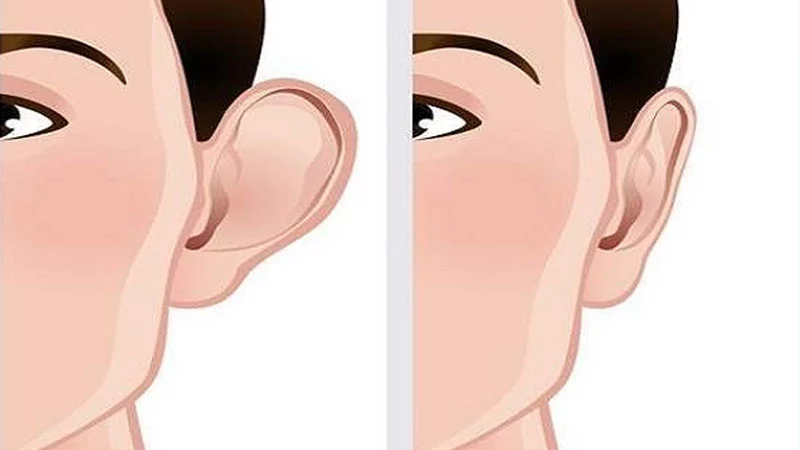
Otoplasty is a surgical procedure performed to correct deformities or imperfections of the ear, most commonly the correction of prominent ears (popularly known as "bat ears"). The procedure aims to reposition and reshape the auricular cartilage to provide a more harmonious and natural shape, without compromising auditory function.
There are different names attributed to the surgical techniques used in otoplasty, and they may have their peculiarities depending on the type of correction needed. These include:
- Open otoplasty / Surgical otomodeling – invasive technique for cartilage reshaping with scars hidden behind the ear, direct approach to the cartilage, with the possibility of resection, rasping for reduction, and molding sutures.
- Closed otoplasty / Percutaneous otoplasty – procedure without visible external incisions, performed through small internal incisions for cartilage reduction, and can be associated with percutaneous otoplasty for internal passages to reshape and reposition the auricular cartilage without large incisions.
- Ear reconstruction – indicated for cases of partial or total absence of the ear (microtia) or traumatic deformities, which may involve cartilage and/or skin grafts, and local flaps and/or skin grafts.
Associated Procedures
Otoplasty can be performed alone or in conjunction with other facial aesthetic procedures, such as rhinoplasty or mentoplasty, aiming for a more harmonious facial balance.
Nomenclature
- Aesthetic otoplasty
- Functional otoplasty
- Prominent ear correction surgery
- Auriculoplasty
- Auricular reconstruction
Objective
- Reposition and reshape the ears to reduce excessive projection.
- Improve facial harmony, providing a natural auricular contour.
- Increase patient self-confidence, especially in cases of psychological impact related to ear appearance.
- Correct congenital or acquired ear malformations.
Indications
- Patients with prominent or asymmetrical ears.
- Congenital deformities (microtia, macrotia, antihelix absence).
- Acquired deformities (trauma, burns, infections, previous surgery, skin cancer).
- Individuals dissatisfied with the shape, position, or size of their ears.
Surgical Technique
The procedure may vary according to the patient's needs and the chosen technique:
- Cartilage Graft
- Cartilage Resection
- Cartilage Reduction
- Molding Sutures
- Local Skin Flaps
- Use of Implants
The surgery lasts an average of 1 to 2 hours and can be performed in a hospital or outpatient setting.
Anesthesia
- Adults: local anesthesia with or without sedation, or general anesthesia, depending on medical indication.
- Children: usually performed under general anesthesia for greater comfort and safety.
Recovery
- The patient is discharged on the same day for outpatient procedures.
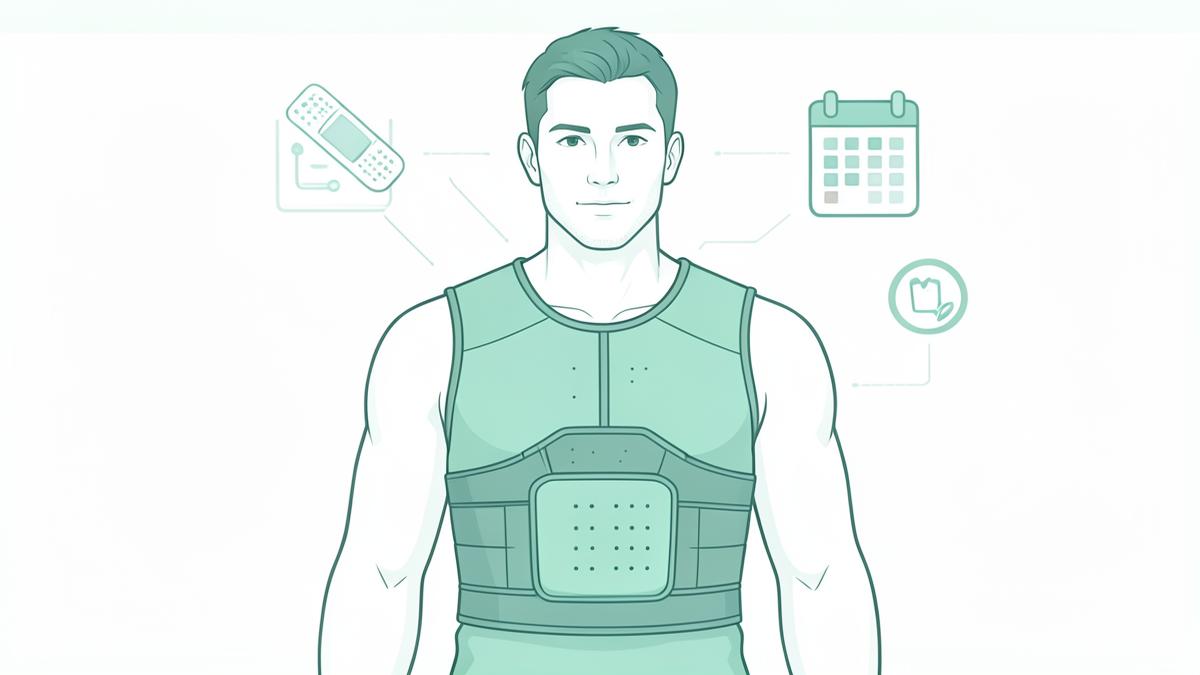
- The use of a compression band may be recommended for about 15-30 days to aid healing, reduce swelling, protect, and maintain the new ear position.
- Edema (swelling) and mild discomfort are common in the first few days but are manageable with medication.
Benefits and Objectives
Otoplasty brings both aesthetic and psychological benefits, providing greater facial harmony and improving the patient's self-esteem.
Aesthetic Enhancement
- Reduction of ear projection, making them more proportionate to the face.
- Correction of asymmetry between the ears.
- Preservation of a natural appearance without visible signs of surgery.
Functional Benefits
- Improved fit for accessories such as glasses and headphones.
- Correction of congenital or acquired deformities.
- Reduction of potential emotional trauma related to nicknames or bullying.
Realistic Expectations
- Results are permanent, but minor changes may occur over time due to the natural healing process.
- The final appearance can be better evaluated after 2 to 3 months, when swelling significantly reduces.
- The scar is subtly positioned behind the ear, becoming less noticeable over time.
Section 2: Procedure Risks
Otoplasty, like any surgical procedure, carries risks and potential complications. Although considered a safe surgery, it is essential that the patient is aware of possible adverse effects.
Risks Common to Most Surgeries
Regardless of the technique used, some risks are inherent to surgical procedures in general:
- Hematoma: formation of a blood accumulation under the skin, which may require drainage in more severe cases.
- Infection: can occur at the incision site, controlled with antibiotics when detected early.
- Adverse reactions to anesthesia: include nausea, dizziness, allergic reactions, or, rarely, more serious complications.
- Respiratory problems: may occur due to general anesthesia, especially in patients with a history of respiratory diseases.
- Abnormal scarring: formation of hypertrophic scars or keloids, more common in people with genetic predisposition.
- Excessive bleeding: although rare, it may require medical intervention for control.
Specific Risks of Otoplasty
In addition to common risks, otoplasty may present some specific complications, depending on the technique used:
- Residual asymmetry: a slight difference between the ears may occur due to the healing process.
- Recurrence (partial return of the ear to its original position): in some cases, a secondary correction may be necessary.
- Cartilage irregularities: folds or areas with an irregular appearance may occur, depending on the individual tissue response.
- Changes in ear sensitivity: temporary numbness or hypersensitivity are common and may persist for a few weeks or months.
- Suture exposure or extrusion: internal sutures may become visible or even break through the skin, requiring surgical revision.
- Overcorrection deformity (ear pinned too flat): occurs when the ear is positioned too close to the head, which can cause an artificial appearance.
Long-Term Complications
- Visible scars: in most cases, the scar is hidden behind the ear, but it may become more visible in some patients.
- Persistence or recurrence of the initial problem: in some cases, repositioning may not be sufficient, requiring a new surgical approach.
- Secondary deformities: due to healing and the natural aging process, changes in the auricular contour may appear over time.
Preventive Measures
To minimize risks and improve otoplasty results, some precautions are recommended:
- Choose an experienced and qualified surgeon, with experience in the chosen technique.
- Follow all pre- and post-operative guidelines to reduce complications.
- Avoid touching or pressing the ears post-operatively, especially during sleep.
- Use the compression band for the recommended time, as it helps stabilize the new ear position.
- Do not smoke before and after surgery, as smoking impairs circulation and can compromise healing.
- Attend all follow-up appointments to monitor recovery and prevent late problems.
Section 3: Pre-operative Guidelines for Otoplasty
Adequate preparation for otoplasty is essential for a safe procedure and a smooth recovery. Below are the main recommendations for the pre-operative period.
- Pre-operative Consultations
- The patient should have medical consultations to clarify doubts and align expectations with the surgeon.
- The surgeon will evaluate the ear shape, cartilage elasticity, and possible asymmetries.
- Photographs may be taken for surgical planning and post-operative comparison.
- If necessary, psychological counseling may be indicated for better adaptation to the aesthetic change.
- Pre-operative Exams
The doctor will request exams to ensure the patient is fit for surgery, such as:
- Complete blood count – to assess coagulation and prevent excessive bleeding.
- Coagulogram – essential to check for possible coagulation disorders.
- Blood glucose and other metabolic tests – for patients with a history of diabetes or other chronic conditions.
- Electrocardiogram (ECG) – especially for patients over 40 or with a cardiac history.
- Other exams may be requested as clinically needed.
- Medications
- The doctor may recommend stopping medications that increase the risk of bleeding, such as:
- Anti-inflammatory drugs (ibuprofen, naproxen).
- Anticoagulants (warfarin, acetylsalicylic acid – aspirin).
- Herbal remedies or supplements with anticoagulant action (ginseng, ginkgo biloba, omega-3).
- If the patient uses continuous medications, they should inform the surgeon for adjustments, if necessary.
- Tobacco and Alcohol Abstinence
- Smoking should be avoided for at least 30 days before and after surgery, as it impairs circulation and compromises healing.
- Alcohol should be suspended at least 72 hours before surgery, as it can increase the risk of bleeding and interact with anesthesia.
- Day of Surgery
On the day of the procedure, follow these recommendations:
Fasting
- Absolute fasting of 8 hours before surgery, including water.
- If surgery is in the morning, the patient should have a light dinner the night before and avoid coffee or black tea.
Clothing
- Wear comfortable, easy-to-remove clothing (preferably with buttons or a zipper in the front).
- Avoid tight clothing that needs to be pulled over the head.
Makeup and Accessories
- Remove makeup, facial creams, and moisturizers the night before.
- Do not wear dark nail polish, as it may interfere with oxygenation monitoring.
- Remove earrings, piercings, necklaces, and metal accessories.
Companion
- The patient must be accompanied by a responsible adult to assist with transportation and initial recovery.
- Minor patients must be with a legal guardian.
- Skin Care
- Wash the head and ear area thoroughly the night before, using a mild soap.
- Avoid oily products or creams in the ear area.
- Men should shave, if the surgeon recommends.
- Emotional State
- The patient must be emotionally prepared for the aesthetic change.
- Anxiety is common, but in case of excessive stress, psychological support may be indicated.
- Good communication with the surgeon is essential to align expectations.
Following these recommendations, the surgery will be performed with greater safety and effectiveness.
Section 4: Post-operative Guidelines for Otoplasty
Recovery after otoplasty requires attention and specific care to ensure adequate healing and satisfactory results. Below are the main recommendations for the post-operative period.
- Dressing
- Immediately after surgery, a compression dressing will be placed around the head, which helps maintain the new ear position and protects the operated area.
- This dressing is usually kept for 24 to 48 hours, being replaced by a specific protective band.
- The patient should not manipulate or remove the dressing on their own.
- Scar Care
- The incision is located on the back of the ear and tends to be discreet.
- The use of healing ointments or creams indicated by the doctor is recommended.
- Avoid direct sun exposure in the operated area for at least 3 months, using sunscreen after medical release.
- Do not scratch or rub the area, as this can compromise healing.
- Movement
- In the first few days, avoid sudden head movements.
- Normal body movement can be gradually resumed, avoiding excessive bending.
- Sleep with the head elevated with the help of pillows, avoiding lying on the ears.
- Driving
- The patient can resume driving after about 5 to 7 days, when there is no more pain or movement restrictions in the head.
- The use of the compression band may cause discomfort for long-term driving.
- Bathing
- Bathing should be done carefully to avoid wetting the dressing in the first few days.
- After removal of the initial dressing, the area can be washed with water and mild soap, without rubbing.
- Clothing
- Prefer clothes with front openings (buttons or zipper) to avoid contact of the ears with clothing when dressing.
- Avoid hats, caps, and headphones for at least 30 days, to avoid pressure on the ears.
- Diet
- There are no strict dietary restrictions, but a balanced diet rich in protein, vitamins, and liquids promotes recovery.
- Avoid processed foods and those with too much salt, as they can contribute to swelling.
- Medications
- The surgeon may prescribe analgesics and anti-inflammatory drugs to control pain and swelling.
- Antibiotics may be indicated to prevent infections.
- Avoid self-medication and correctly follow the medical prescription.
- Warning Signs
Contact your doctor if you observe:
- Excessive bleeding or purulent discharge.
- Intense and persistent pain that does not improve with analgesics.
- Exaggerated swelling, fever, or intense redness around the ear.
- Opening of sutures or alteration in ear position.
- Follow-up with the Doctor
- The first post-operative consultation usually occurs between 5 to 7 days after surgery.
- Other follow-ups may be scheduled according to the evolution of recovery.
Physical Recommendations
Otoplasty recovery involves the progressive resumption of physical activities, according to the table below:
First Week
- Relative rest, avoiding intense physical exertion.
- Light movement inside the house is permitted.
- Avoid sleeping on your side to avoid pressing the ear.
- Continuous use of the compression band.
Second Week
- Light activities, such as short walks.
- Return to work/school if there is no significant discomfort.
- Keep the compression band at least at night.
Third and Fourth Week
- Gradual return to moderate physical activities (as long as they do not involve impact or contact with the ears).
- Aerobic exercises can be resumed with medical authorization.
- Avoid contact sports such as soccer, judo, and boxing for at least 2 months.
After One Month
- Most daily activities can be resumed.
- The compression band can be used only at night.
- Continuous monitoring of healing and the final result.
Section 5: Physical Recommendations
Otoplasty recovery requires specific care regarding physical activity and the return to daily activities. The patient must follow a gradual progression to avoid complications and ensure a satisfactory result.
After Otoplasty
- Avoid intense physical exertion in the first few days to reduce the risk of bleeding and excessive swelling.
- Keep the head elevated while sleeping, avoiding direct pressure on the ears.
- Use the compression band as recommended by the surgeon to prevent cartilage displacement.
First Week
- Relative rest, avoiding sudden head movements.
- Light walks are permitted, but without excessive effort.
- Avoid sleeping on your side to avoid pressing the newly operated ear.
- Continuous use of the compression band to stabilize the new shape of the ears.
Second Week
- Light activities can be resumed, such as returning to work or school, as long as there is no physical exertion.
- Avoid carrying heavy weights or doing activities that increase blood pressure in the head.
- Keep the compression band at least at night.
- Direct sun exposure should still be avoided, especially without adequate protection.
Third and Fourth Week
- Light aerobic exercises can be resumed, as long as there is no impact or pressure on the ear region.
- Avoid contact sports, such as soccer, basketball, martial arts, and others that may result in head impact.
- Use of the compression band can be gradually reduced, according to medical guidance.
After One Month
- Most daily activities can be resumed, including moderate physical exercises.
- The compression band can be used only at night for greater comfort and safety.
- Healing and any changes in the shape of the ears should continue to be monitored.
General Care
- Glasses and headphones: Avoid use in the first 15 days to avoid pressing on the operated area.
- Prolonged hot baths and saunas should be avoided for at least one month to avoid compromising healing.
- Contact sports: Should be avoided for at least 2 months, as an impact in the region can compromise the results of the surgery.
The return to activities should be gradual and respect the body's limits, always following the surgeon's guidelines to ensure a safe and effective recovery.
Section 6: Psychological Support
Otoplasty is a surgery that, in addition to aesthetic and functional benefits, can have a significant impact on the patient's emotional health. Psychological support can be an important factor in ensuring that expectations are aligned with results and in helping with adaptation to the new appearance.
- Psychological Impact of Otoplasty
- Increased self-esteem: Many patients who undergo otoplasty suffer from low self-esteem due to the appearance of their ears, especially if they faced bullying or negative comments in childhood and adolescence.
- Improved quality of life: Aesthetic correction can reduce social anxiety, making the patient more confident in daily situations.
- Adaptation to the new image: Even with a satisfactory result, some patients may find the new appearance strange in the first few days, which can generate temporary insecurity.
- Indications for Psychological Support
- Patients with a history of bullying or trauma related to ear appearance.
- Individuals with unrealistic expectations, who may expect an impossible result to achieve.
- Anxious or insecure patients, who may benefit from psychological support before and after surgery.
- Children and adolescents, to ensure that the decision for surgery is well understood and desired by the patient themselves.
- Pre and Post-operative Support
- Before surgery: Helps align expectations and emotionally prepare the patient for changes.
- After surgery: Aids in accepting the new image and managing emotions related to recovery.
- Realistic Expectations
- The patient must understand that surgery does not completely transform appearance but improves facial harmony.
- Healing and the final result can take up to 3 months, requiring patience during this period.
- Small asymmetries may occur and are natural, as no ear is perfectly symmetrical.
- Family and Social Support
- The support of family and friends can contribute to the patient's adaptation and emotional well-being.
- Avoid negative comments or excessive demands about the final result.
Psychological support is not mandatory, but it can be a valuable resource to make the process smoother and more positive.
Section 7: Long-Term Results
Otoplasty offers lasting results, but it is important to understand the healing process and individual variations that can influence the final outcome.
- Time to Final Result
- Immediately after surgery, the ears will already be repositioned, but swelling and small bruises can temporarily distort the result.
- After 1 month, most of the swelling will have reduced, and the ear shape will be closer to the definitive one.
- Between 3 to 6 months, the final result can be fully observed, with complete healing and accommodation of the cartilage in the new position.
- Maintenance of Result
- Otoplasty has permanent results, as the remodeled cartilage tends to maintain its new shape.
- In rare cases, the cartilage may show slight recurrence, requiring secondary adjustments.
- The use of a compression band post-operatively is essential to prevent changes in ear position.
- Possible Changes Over Time
- The scar tends to become discreet and barely noticeable, but it can vary according to genetics and post-operative care.
- Small asymmetries may be noted, as no face is perfectly symmetrical.
- Natural aging can slightly alter the appearance of the ears, but without compromising the surgical result.
- When to See the Doctor After Recovery?
- If there is persistent discomfort or changes in healing after the expected recovery period.
- If partial loss of the result occurs over time.
- If hypertrophic scars or keloids form, which can be treated with specific therapies.
- Patient Satisfaction
- Most patients report a high level of satisfaction with the surgery.
- Improved self-esteem and social confidence are among the main reported benefits.
Understanding the aspects of long-term results helps the patient maintain realistic expectations and take proper care of their new appearance.
Section 8: Frequently Asked Questions (FAQs) about Otoplasty
- Does otoplasty hurt?
During surgery, the patient does not feel pain due to anesthesia. Post-operatively, there may be mild discomfort, controlled with analgesics prescribed by the doctor.
- Does the surgery leave visible scars?
No. Incisions are made behind the ear, in an area that is not very noticeable. Over time, scars tend to become almost imperceptible.
- What is the minimum age for otoplasty?
The surgery can be performed from 6-7 years of age, an age at which the auricular cartilage is already sufficiently developed for correction. And the child can demonstrate their interest and desire for the surgery.
- How long does the surgery last?
Otoplasty usually lasts between 1 to 2 hours, depending on the technique used and the degree of correction required.
- When can I return to my normal activities?
- Work/school: After 5 to 7 days, as long as they do not require physical exertion.
- Light activities: After two weeks.
- Physical exercises and contact sports: After 2 months, to avoid trauma in the operated area.
- Do I need to wear the band after surgery?
Yes. The compression band is essential to keep the ears in the correct position and reduce swelling. It should be worn 24 hours a day for the first week and only at night for an additional 3 to 4 weeks.
- Are the results permanent?
Yes. Otoplasty has definitive results, as the cartilage is reshaped and stabilized in the new position. However, small recurrences may occur in rare cases.
- Is there a risk of the ears becoming "pinned back" to the head?
Yes, if there is overcorrection. However, an experienced surgeon uses techniques that preserve the naturalness of the ear shape.
- How long does it take for the swelling to completely disappear?
Most of the swelling disappears within 1 month, but complete healing can take 3 to 6 months.
- Is it possible to correct only one ear?
Yes. If only one ear has a deformity, surgery can be done unilaterally, but always respecting facial harmony.
- Can someone who has already had otoplasty have new surgery?
Yes, in cases of dissatisfaction with the first result or recurrence. The surgeon will evaluate the feasibility of secondary otoplasty.
- Can I wear glasses after surgery?
Yes, but avoid wearing them for the first 10-15 days, as the pressure from the temples can compromise healing.
Agendar consulta
Precisa de orientação personalizada?
Marque uma avaliação com o Dr. Fernando Amato e tire as suas dúvidas sobre cirurgia plástica.
Falar no WhatsApp