
- Plastic Surgery
Hydrolipo: truths, risks, and differences from conventional liposuction
- September 13, 2025
- By Fernando Amato
“Not everything that seems simple is safe: discover what’s really behind hydrolipo.”
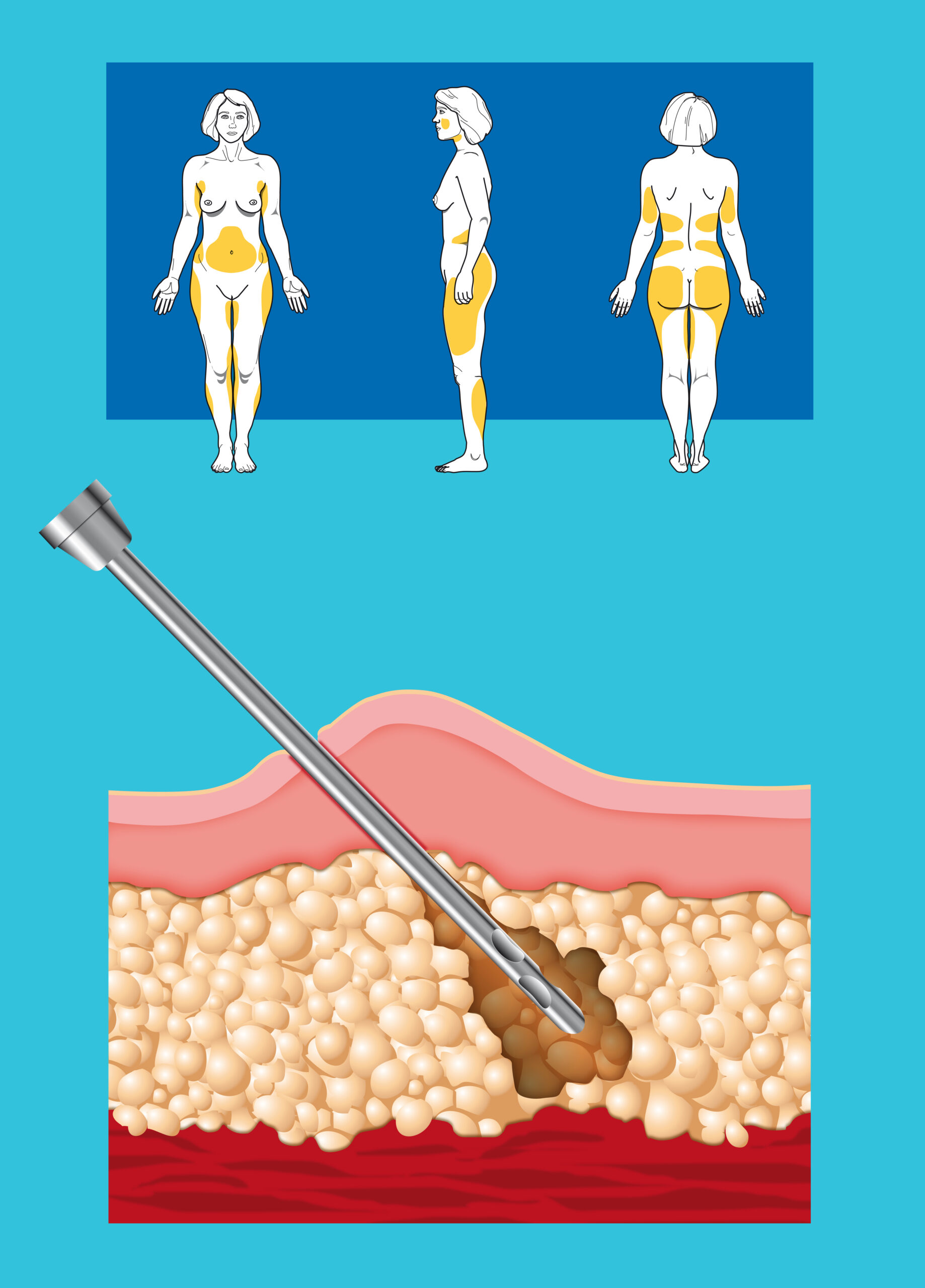
Hydrolipo, also called minilipo or lipo light, has gained popularity as a “simpler” alternative to traditional liposuction. However, many aesthetic clinics or small practices frequently offer hydrolipo and present it as an outpatient procedure with quick recovery and lower cost. But is hydrolipo really safe and advantageous? This article provides a critical analysis of its risks, indications, cost-benefit, and differences compared to conventional liposuction.
Quick Highlights
Hydrolipo is an outpatient liposuction with local anesthesia.
The procedure has significant limitations compared to traditional lipo.
It may seem cheaper, but the cost-benefit is debatable.
Safety depends on an adequate environment and experienced team.
New technologies like laser and ultrasound complement, but do not replace the technique.
What is Hydrolipo?
It is nothing more than a variation of traditional liposuction, performed with local anesthesia and usually in an outpatient setting. The name comes from the use of infiltrated solution (tumescent) that facilitates fat aspiration.
Despite the appealing name, hydrolipo is not, however, an innovative technique: it is based on the same principles as liposuction, just on a smaller scale. That is, the main difference lies in the volume of fat the doctor aspirates and the environment where they perform the procedure.
Related commercial terms
Minilipo
Indicates liposuction of small areas. The doctor can perform the lipo with local anesthesia, but it does not replace traditional liposuction in cases of larger volume.
Lipo Light
Marketing name for outpatient liposuction procedures, usually in smaller clinics. The appeal is to convey an idea of lightness and lower risk.
Outpatient Liposuction
Performed outside the operating room, with the patient awake or lightly sedated. Surgeons limit the procedure in terms of safety, especially when larger areas are involved.
In summary: hydrolipo, minilipo, and lipo light are commercial variations of the same technique—small-scale liposuction.
Differences between hydrolipo and conventional liposuction
- Environment: hydrolipo usually in a private office; traditional lipo in a day hospital.
- Anesthesia: local for hydrolipo; epidural or general for conventional lipo (anesthesia in plastic surgery).
- Areas treated: small in hydrolipo; extensive in traditional lipo.
- Recovery: may be faster with hydrolipo, but results are limited.
- Safety: greater in an operating room, with complete infrastructure.
Risks of hydrolipo
Although marketed as “simple and safe,” hydrolipo can lead to relevant complications:
- Infection due to an environment without hospital infrastructure.
- Adverse reactions to anesthesia, even in smaller doses.
- Fluid accumulation and skin irregularities.
- Perforations and hemorrhages, rare but possible.
- Increased risk when performed by non-specialized professionals.
The false idea of simplicity can lead patients to underestimate the real risks.
Cost-benefit: is hydrolipo worth it?
Hydrolipo is advertised as cheaper than traditional liposuction. However:
- The results are limited to small areas.
- Often, the patient needs touch-ups or new surgery.
- In the long run, the cost may equal or even exceed that of conventional lipo.
Therefore, the cost-benefit should be evaluated carefully. In many cases, traditional lipo in a safe environment offers more satisfactory results.
What’s new?
In recent years, technologies associated with liposuction have emerged:
- Laser Lipo.
- Vaser (ultrasonic) (lipo technologies).
- Bodytite (radiofrequency).
- Quantum
- Morpheus
These methods can improve skin retraction and reduce bleeding, but they do not replace liposuction itself. They are complements, not safer alternatives on their own.
Preparation for surgery
Regardless of the technique, it is essential:
- Perform pre-operative exams.
- Maintain a good diet.
- Avoid smoking.
- Follow preparation tips.
The choice of surgeon and surgical environment are crucial for safety.
Conclusion
Hydrolipo may have specific indications, especially for small areas of localized fat. However, you should not view hydrolipo as a substitute for traditional liposuction. Commercial marketing can mislead patients, minimizing important risks.
Safety must always come first. Before deciding, consult a qualified plastic surgeon and carefully evaluate the cost-benefit.
Schedule your consultation and clarify all doubts with a specialist.
Questions and Answers
1. What is hydrolipo?
It is liposuction performed with local anesthesia, usually in an outpatient setting, indicated for small areas.
2. Are hydrolipo and minilipo the same thing?
Yes, both are commercial names for small-scale liposuction.
3. Is hydrolipo safer than traditional lipo?
No. Traditional lipo in a hospital offers greater safety due to having complete infrastructure.
4. What anesthesia is used in hydrolipo?
Normally local anesthesia, sometimes associated with sedation.
5. Who can get hydrolipo?
Healthy patients with small areas of localized fat.
6. What are the main risks of hydrolipo?
Infection, skin irregularities, anesthetic complications, and, rarely, perforations.
7. Does it leave scars?
It leaves small scars, similar to those from traditional lipo.
8. What is the difference in results between hydrolipo and liposuction?
Hydrolipo offers more limited results, indicated only for small areas.
9. Is hydrolipo indicated for weight loss?
No. Neither hydrolipo nor liposuction replaces diet and exercise.
10. Is it worth choosing hydrolipo for the lower price?
The price may be attractive, but the cost-benefit and safety should be carefully evaluated.
Recommended Video
Would you get Liposuction? Clear your doubts
Related articles



Agendar consulta
Precisa de orientação personalizada?
Marque uma avaliação com o Dr. Fernando Amato e tire as suas dúvidas sobre cirurgia plástica.
Falar no WhatsApp