ABDOMINOPLASTY (Abdominal Dermolipectomy) IN THE FORMERLY OBESE PATIENT
ABDOMINOPLASTY (Abdominal Dermolipectomy) IN THE FORMERLY OBESE PATIENT
Patients who have undergone significant weight loss, whether through diet, diet and medication, or bariatric surgery, may have as their main complaint a large excess of skin on the abdomen, known as an apron belly. In addition to being aesthetically unpleasant, it can cause dermatitis (skin infections) and cellulitis, mainly by making personal hygiene difficult.It is considered a RECONSTRUCTIVE surgery, which is why it is covered by insurance and health plans, and should also be performed within the Unified Health System (SUS), but it can be difficult to obtain authorization and release.It is a surgery performed on both men and women.It can be associated with the correction of midline hernias (epigastric hernia, umbilical hernia, incisional hernia), as well as the correction of diastasis recti (separation of the lateral bellies of the muscle) and the correction of previous scars.In addition, it can be combined with liposuction and other surgeries for the formerly obese patient (Arms, Breasts, and Thighs),*but due to its extent, and the patient's other conditions and comorbidities (diabetes, hypertension, etc...), the surgical time must be shorter, thus reducing the risk of complications such as bleeding, deep vein thrombosis (DVT), infection, and others.What are the conditions for performing an abdominoplasty after bariatric surgery?
- It is expected that the patient is in their best clinical condition at the time of surgery, meaning existing diseases are controlled.
- Patients who have undergone bariatric surgery, such as Sleeve and Bypass, may experience nutrient and vitamin deficiencies, as well as iron deficiency anemia.
- Weight stability for at least 6 months is recommended.
Where are the scars in abdominoplasty?
Scars:Depends on the location of the excess skin, previous scars, and the choice made by the surgeon with the patient. It can be anchor-shaped, longitudinal, transverse, or aciform.Navel: the existing scar can be used or a new navel created (neoomphaloplasty).How is abdominoplasty anesthesia performed?
Anesthesia:Anesthesia can be general, spinal, or epidural.How is hospitalization for abdominoplasty?
Hospitalization:It can be performed as a DAY HOSPITAL procedure with discharge on the same day in a few cases, but discharge on the following day is preferred for patient observation and only if the patient is in good condition.How is the abdominoplasty post-operative period?
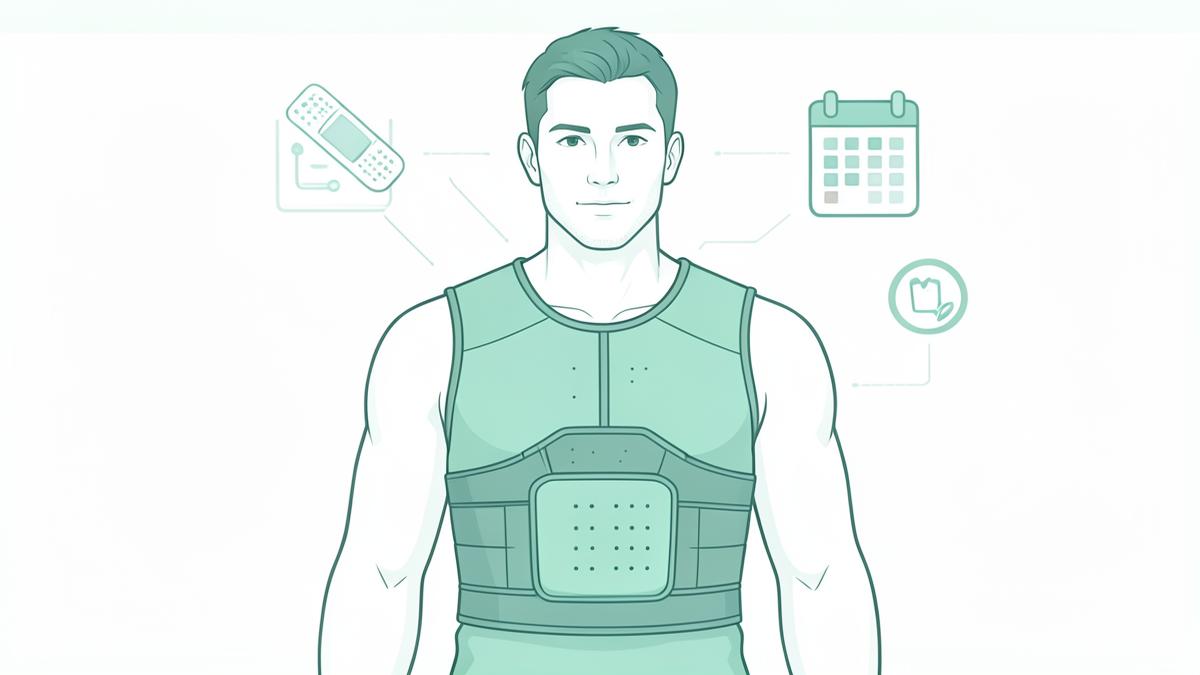
Post-Operative / Recovery: Normally, the patient can return to activities in 2 to 3 weeks. An elastic compression garment should be worn for at least 1 month. Drains may be necessary.What are the main complications in abdominoplasty?
The main complications are: Bleeding, hematoma, seroma, infection, unaesthetic scar, thrombosis, dehiscenceSource:http://www2.cirurgiaplastica.org.br/http://www.amato.com.br https://youtu.be/OETRgX4HLro DescriptionDr. Fernando Amato (CRM 133826) talks about abdominoplasty or abdominal dermolipectomy. Abdominoplasty consists of the aesthetic treatment of the abdomen, mainly with the removal of excess skin and fat. Classic abdominoplasty consists of removing skin, excess skin, and fat below the navel, resulting in a scar at the location of a C-section and slightly larger. But there is also anchor abdominoplasty, which is a surgical option for patients who have had significant weight loss, that is, have lost a lot of weight.
TranscriptHello, I am Dr.
Fernando Amato, and today we will talk about abdominoplasty
or abdominal dermolipectomy.
Abdominoplasty consists of the aesthetic treatment
of the abdomen, mainly with the removal
of excess skin and fat.
It can be classic abdominoplasty, which
is the removal of skin, of excess skin
and fat below the navel and resulting in a
scar at the location of a C-section and a little
larger.
There is also anchor abdominoplasty,
which is a surgical option for those
patients who have had significant weight loss,
that is, have lost a lot of weight, whether with diet
or with bariatric surgery, and, in this case,
there will be a final anchor-shaped scar,
with one vertical and one horizontal.
There is inverted abdominoplasty or reverse abdomen,
which is an option and is rarer,
to treat excess skin only above
the navel.
In addition, there is the famous mini-abdominoplasty, which
is only mini because of a slightly smaller incision
than classic abdominoplasty, and in this
surgery, a procedure is performed treating all the
musculature, that is, with a small incision,
it dissects all the way up here, corrects umbilical hernia
when present, and this results in a smaller scar
and removes much less skin.
In addition, there is lipoabdominoplasty,
which is a combination of liposuction
on the abdomen and abdominoplasty.
It is a bit different from when liposuction
is performed on the body and abdomen; in this
case, liposuction is performed on the abdomen itself.
In all these surgeries, treatment is performed
for hernias that are in the midline; the
most common is the umbilical hernia and the treatment
of diastasis recti, which
is the separation that occurs in the musculature.
Many patients ask about the navel:
how does the navel look after these surgeries?
There are techniques that preserve the navel and
reinsert it into the new abdomen, and there is a scar
at the junction of the old navel with this new abdomen,
and, depending on the case, it is even possible to leave no scar.
Want to know more about plastic surgery?
Follow our videos on our social media.
Agendar consulta
Precisa de orientação personalizada?
Marque uma avaliação com o Dr. Fernando Amato e tire as suas dúvidas sobre cirurgia plástica.
Falar no WhatsApp